
Latest posts
-
Citizenship under the Indian Constitution: Articles 5–11 and the Citizenship Act, 1955
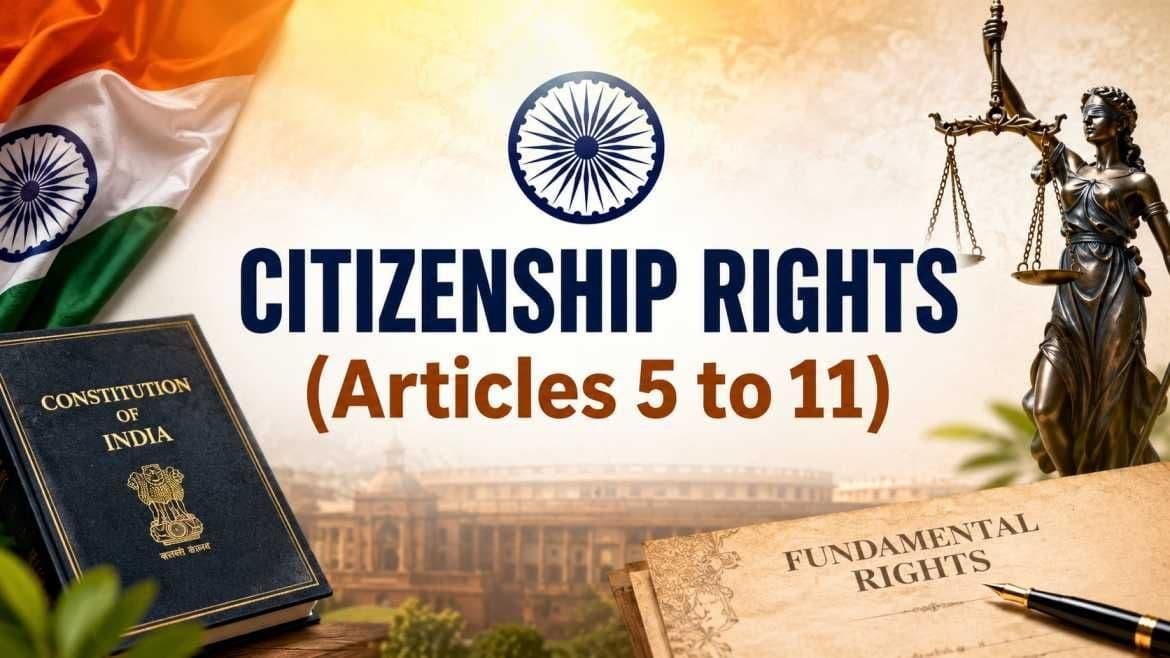
Citizenship is a fundamental aspect of India’s constitutional framework. This article explains Articles 5–11, the Citizenship Act, 1955, methods of acquiring and losing citizenship, the Assam Accord, CAA 2019, OCI status and important Supreme Court judgments.
-
Salient Features of the Indian Constitution
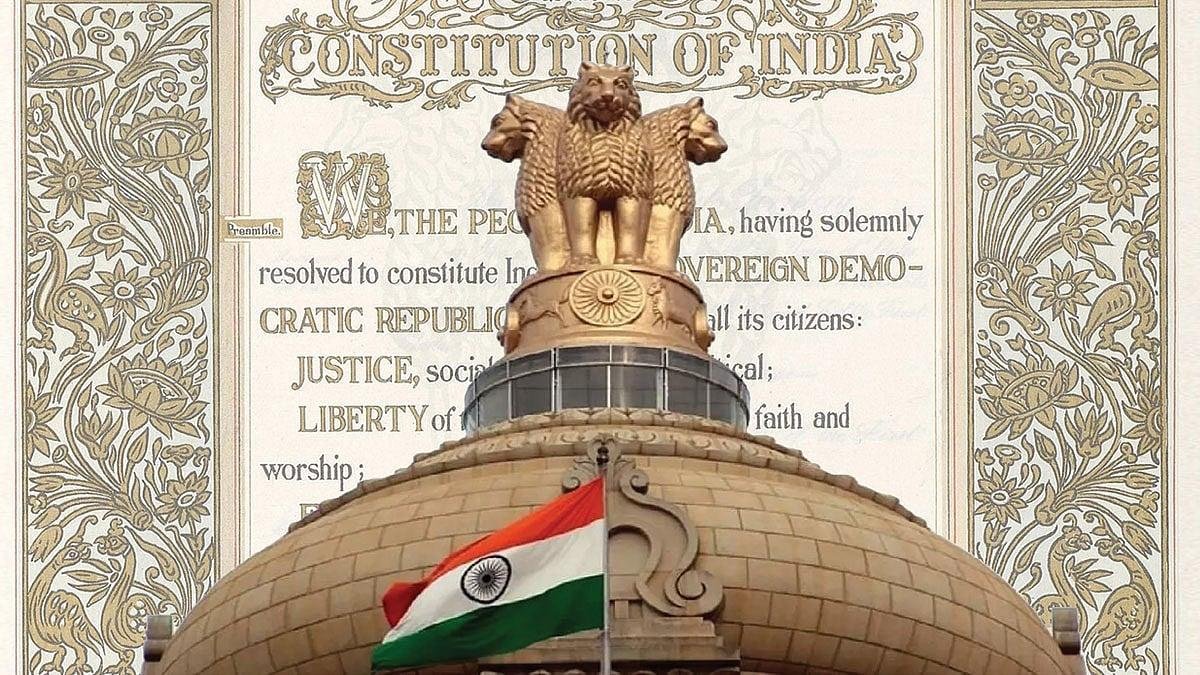
The Indian Constitution combines federalism, parliamentary democracy, Fundamental Rights, Directive Principles, judicial independence and social justice. Explore its major features, constitutional provisions, landmark judgments and their significance for UPSC Civil Services Examination.
-
UNION AND ITS TERRITORY: ARTICLES 1–4 OF THE INDIAN CONSTITUTION
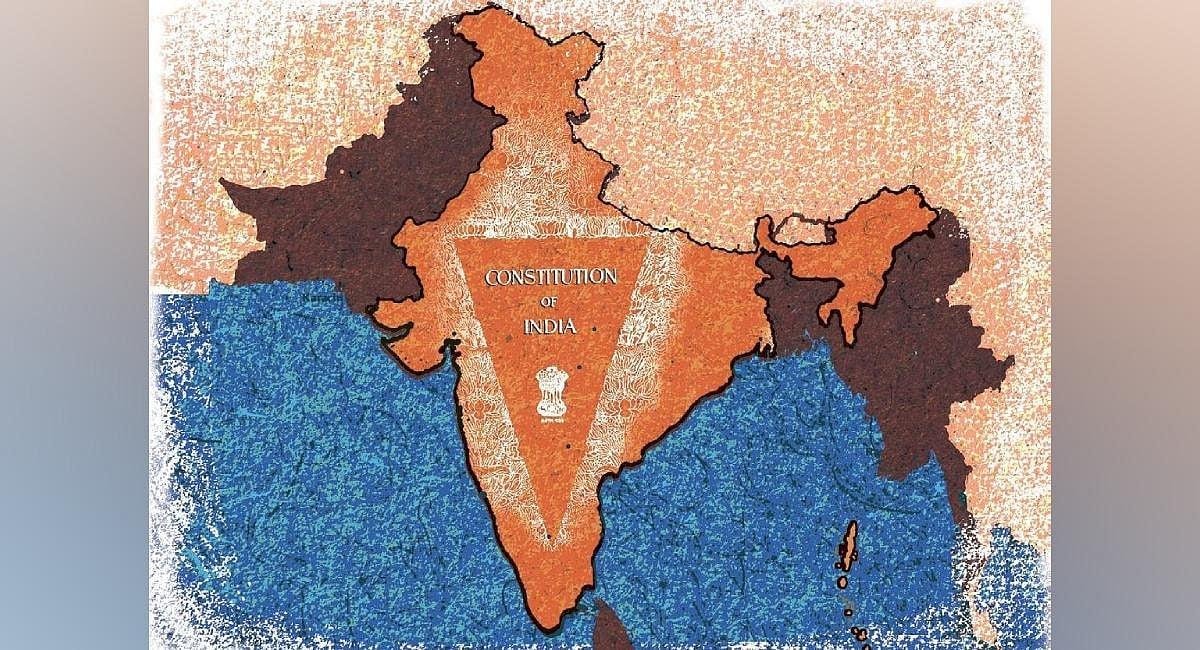
Articles 1–4 of the Indian Constitution establish the territorial framework of the Indian Union. Understand the meaning of Union of States, admission and formation of new States, parliamentary powers under Article 3, the procedure for State reorganisation, Article 4 and important developments such as the States Reorganisation Act, 1956 and formation of Telangana.
-
MAKING OF THE INDIAN CONSTITUTION: DRAFTING PROCESS, CONSTITUTIONAL DEBATES, ADOPTION AND COMMENCEMENT

The making of the Indian Constitution involved extensive research, committee deliberations, drafting, public consultation and constitutional debates. Understand the role of B. N. Rau, Dr. B. R. Ambedkar and the Drafting Committee, the three readings of the Draft Constitution, its adoption on 26 November 1949 and commencement on 26 January 1950.
-
CONSTITUENT ASSEMBLY OF INDIA: COMPOSITION, COMMITTEES, MEMBERSHIP AND FUNCTIONING
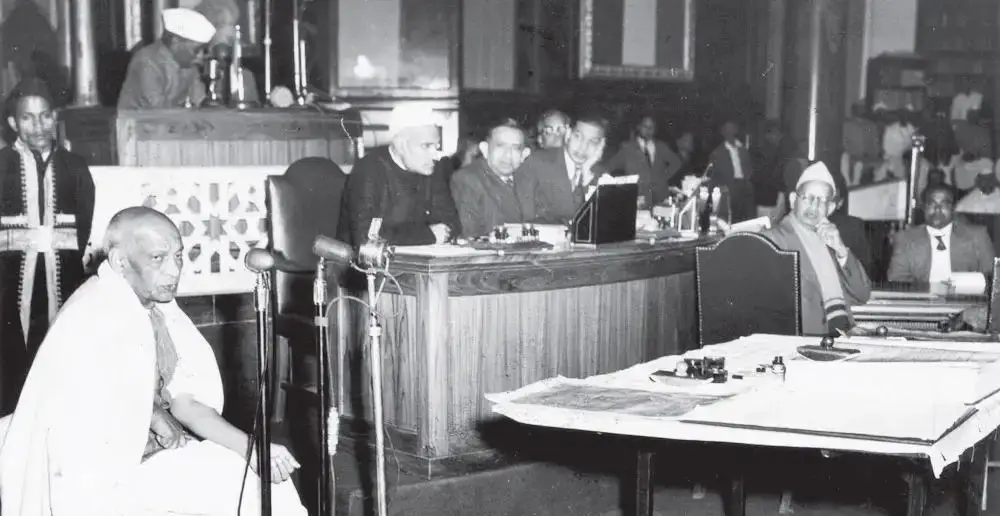
The Constituent Assembly of India was responsible for framing the Constitution of independent India. Explore its composition, method of election, important committees and chairpersons, role of key personalities, functioning, constitutional contributions and criticisms. Comprehensive UPSC GS Paper II study material.
-
THE PREAMBLE TO THE INDIAN CONSTITUTION
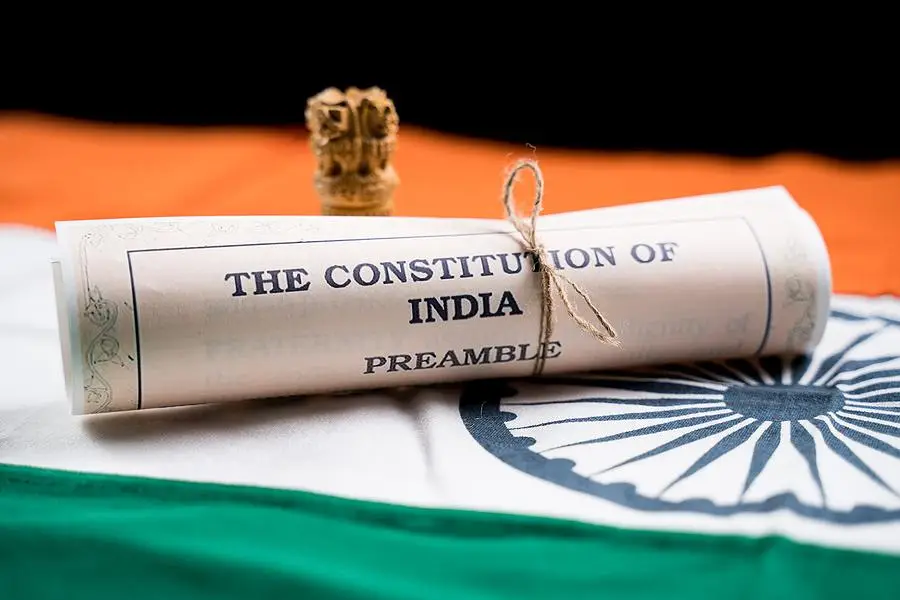
The Preamble of the Indian Constitution expresses the fundamental philosophy and objectives of the Indian Republic. Understand its historical origin, meaning of key expressions, constitutional significance, landmark Supreme Court judgments and amendment through the 42nd Constitutional Amendment Act, 1976. Comprehensive study material for UPSC Prelims and Mains.
-
Constitutional Amendment in India: Article 368, Procedure and Basic Structure Doctrine
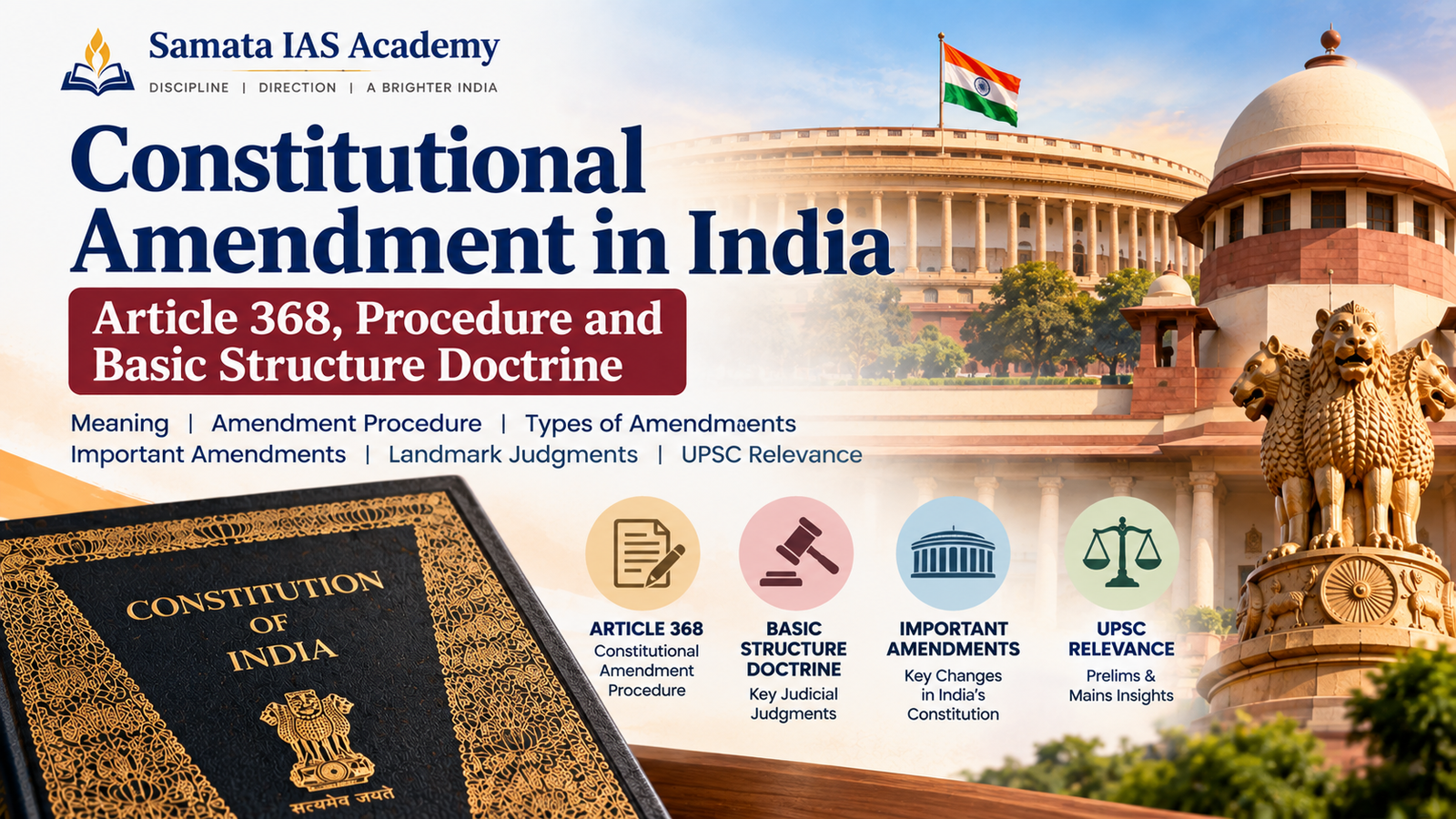
Constitutional amendments enable India to adapt its Constitution to changing circumstances while preserving its essential principles. Understand Article 368, the three amendment procedures, important constitutional amendments, landmark Supreme Court judgments and the Basic Structure Doctrine for UPSC Prelims and Mains.
-
Separation of Powers in India: Constitutional Provisions, Checks and Balances
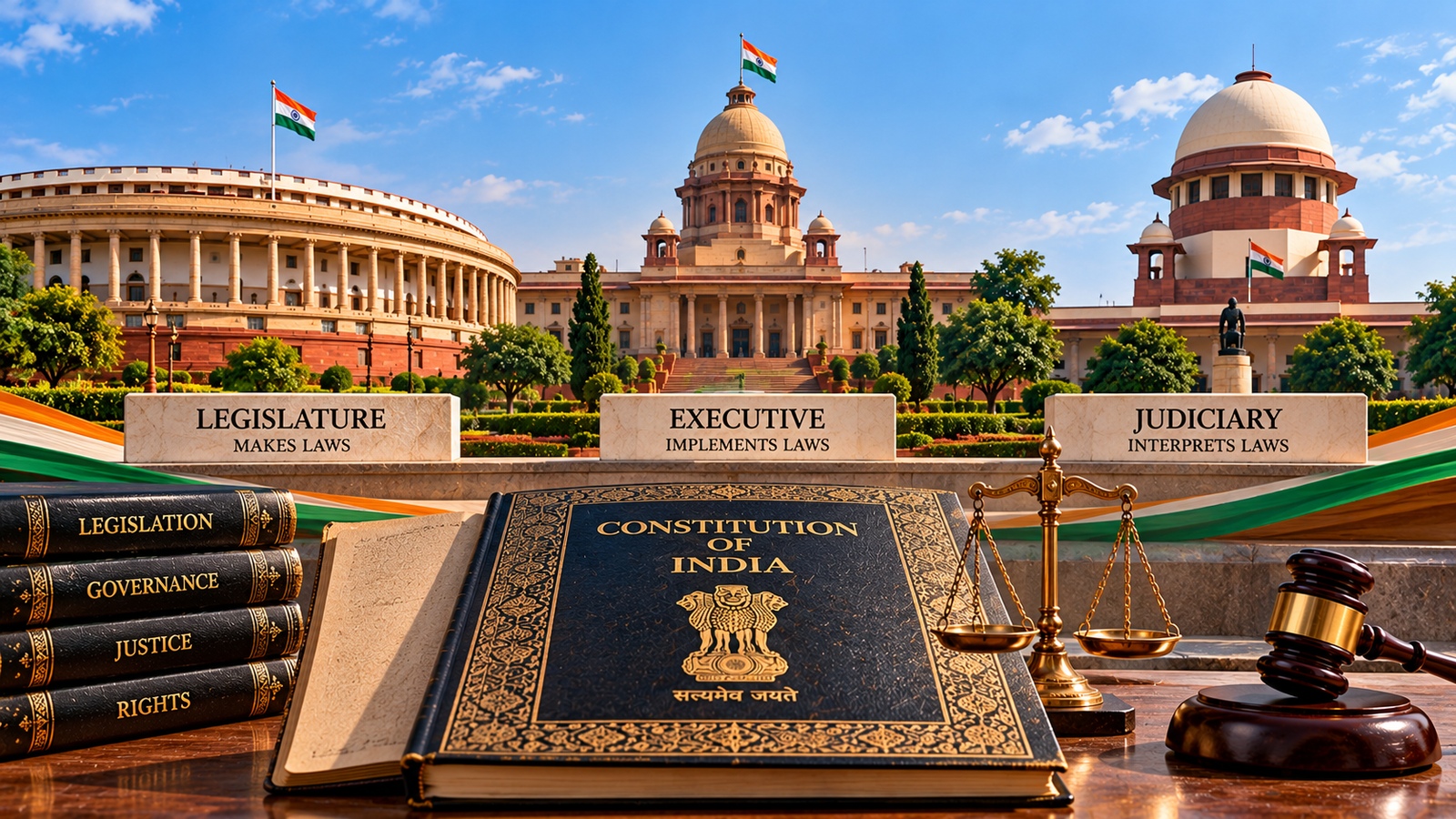
Learn how the Indian Constitution distributes powers among the legislature, executive and judiciary, with key constitutional provisions and landmark judgments for UPSC.
-
Judicial Review in India: Meaning, Constitutional Provisions and Landmark Judgments
Explore the constitutional basis of judicial review in India, its role in protecting Fundamental Rights and the landmark judgments that shaped its development.
-
Basic Structure Doctrine: Evolution, Landmark Judgments and Constitutional Significance

Explore the Basic Structure Doctrine, Parliament’s amending power, judicial review and landmark Supreme Court judgments for UPSC Indian Polity.