
Latest posts
-
Role of Family, Society and Educational Institutions in Inculcating Human Values
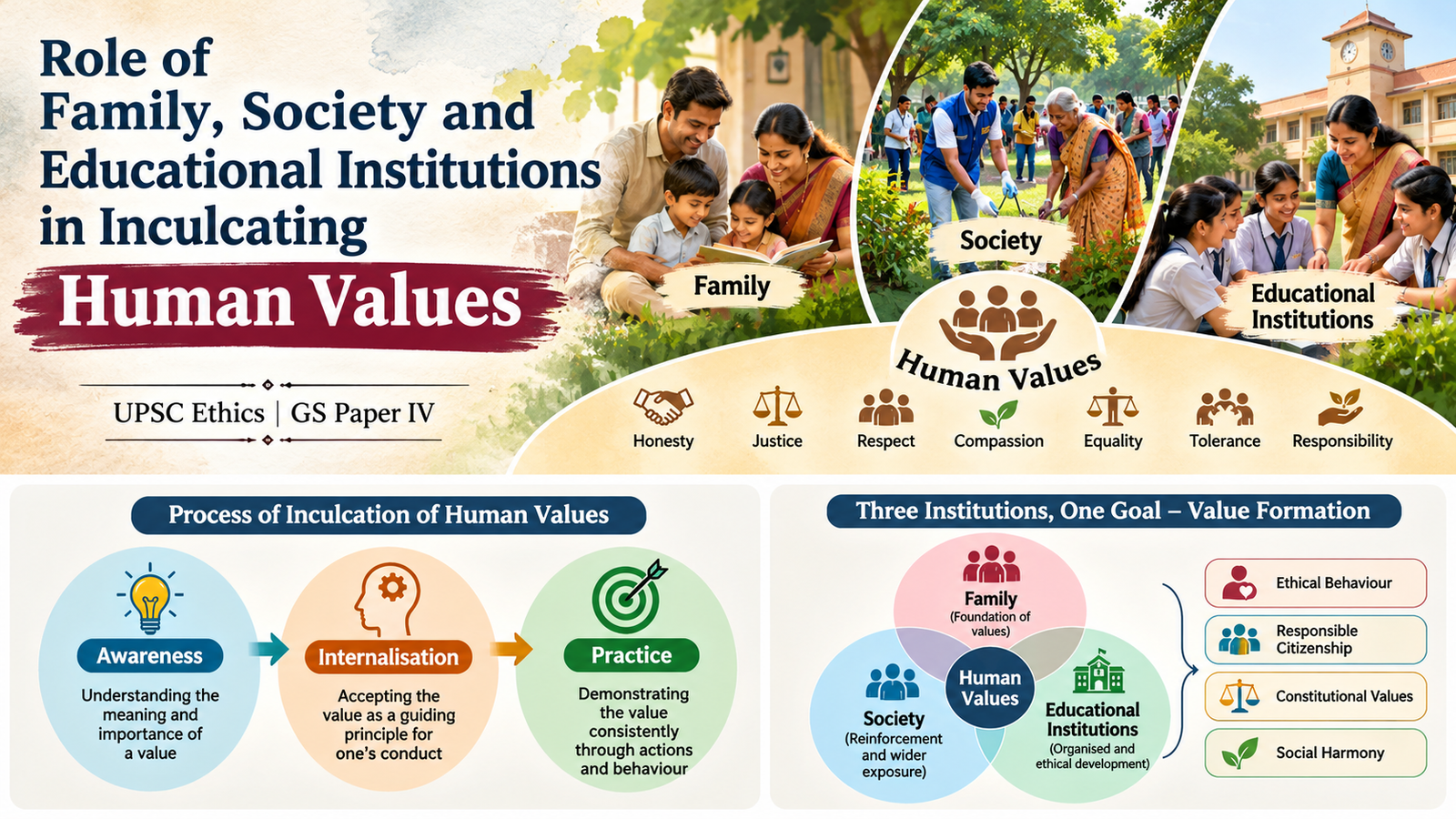
Examine how family, society and educational institutions shape human values, moral development and ethical behaviour. Covers socialisation, value education, constitutional values, NEP 2020 and relevance to civil services.
-
Citizenship under the Indian Constitution: Articles 5–11 and the Citizenship Act, 1955
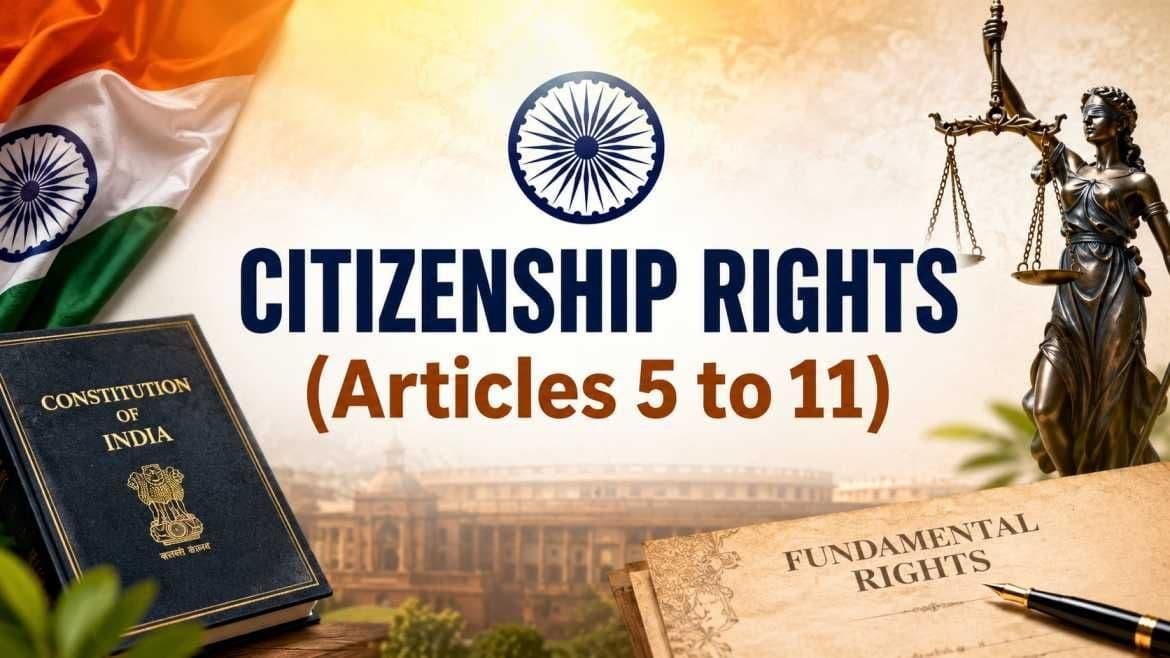
Citizenship is a fundamental aspect of India’s constitutional framework. This article explains Articles 5–11, the Citizenship Act, 1955, methods of acquiring and losing citizenship, the Assam Accord, CAA 2019, OCI status and important Supreme Court judgments.
-
Salient Features of the Indian Constitution
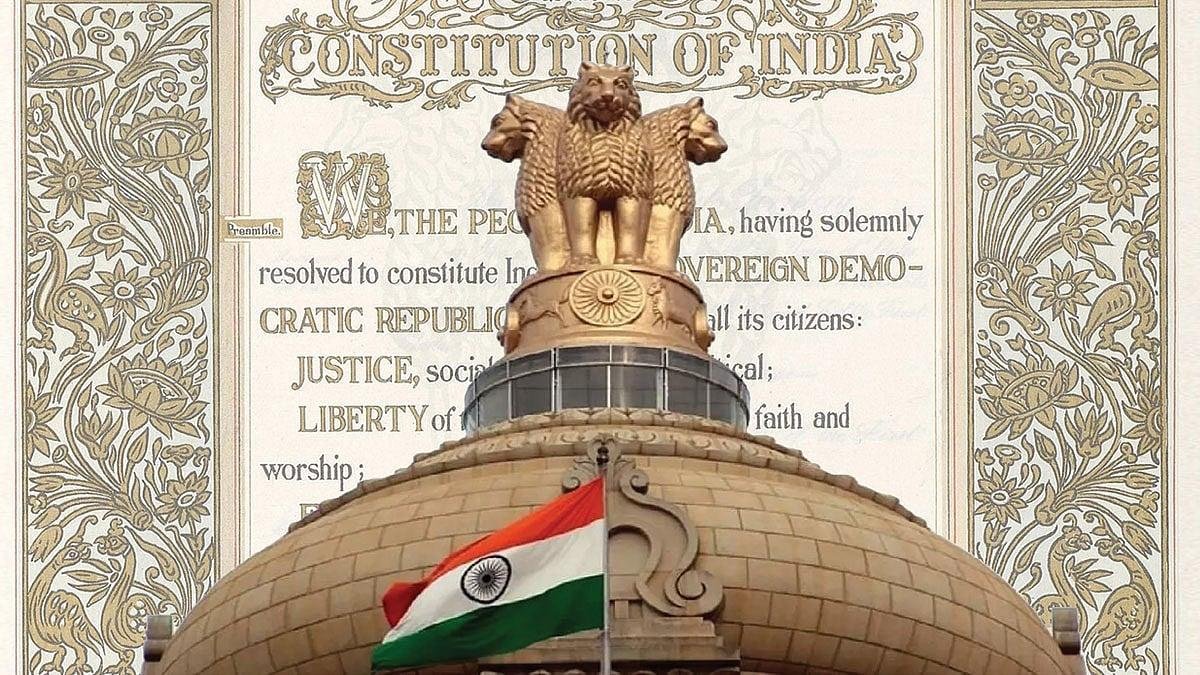
The Indian Constitution combines federalism, parliamentary democracy, Fundamental Rights, Directive Principles, judicial independence and social justice. Explore its major features, constitutional provisions, landmark judgments and their significance for UPSC Civil Services Examination.
-
UNION AND ITS TERRITORY: ARTICLES 1–4 OF THE INDIAN CONSTITUTION
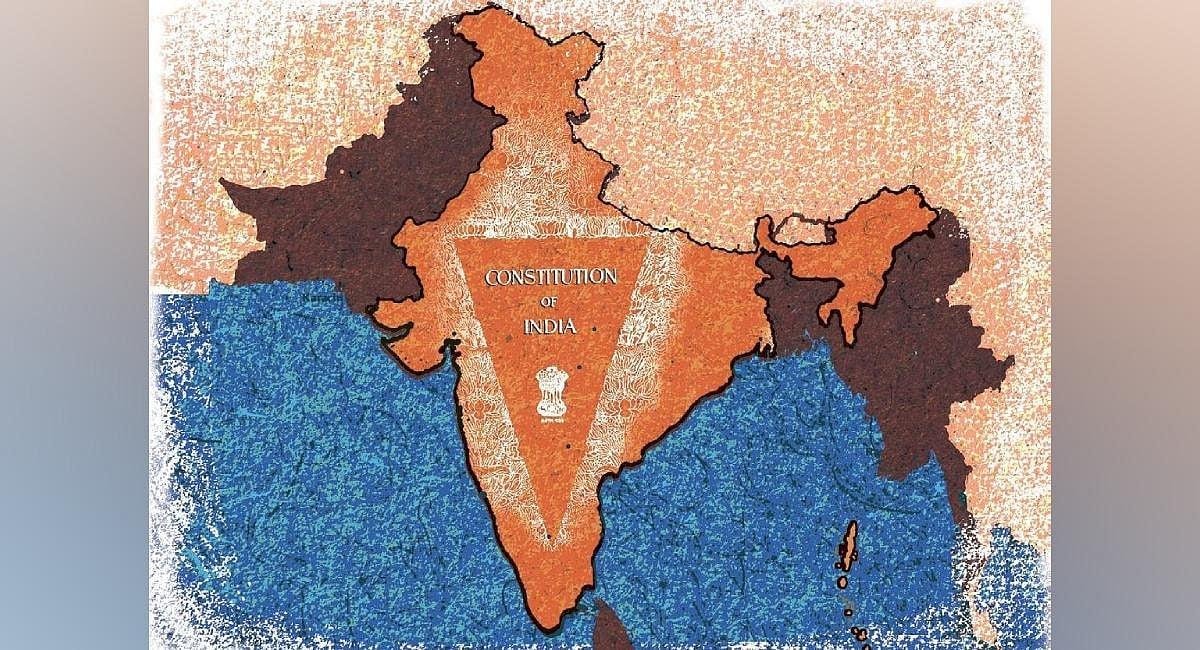
Articles 1–4 of the Indian Constitution establish the territorial framework of the Indian Union. Understand the meaning of Union of States, admission and formation of new States, parliamentary powers under Article 3, the procedure for State reorganisation, Article 4 and important developments such as the States Reorganisation Act, 1956 and formation of Telangana.
-
Human Values: Meaning, Nature, Types and Significance
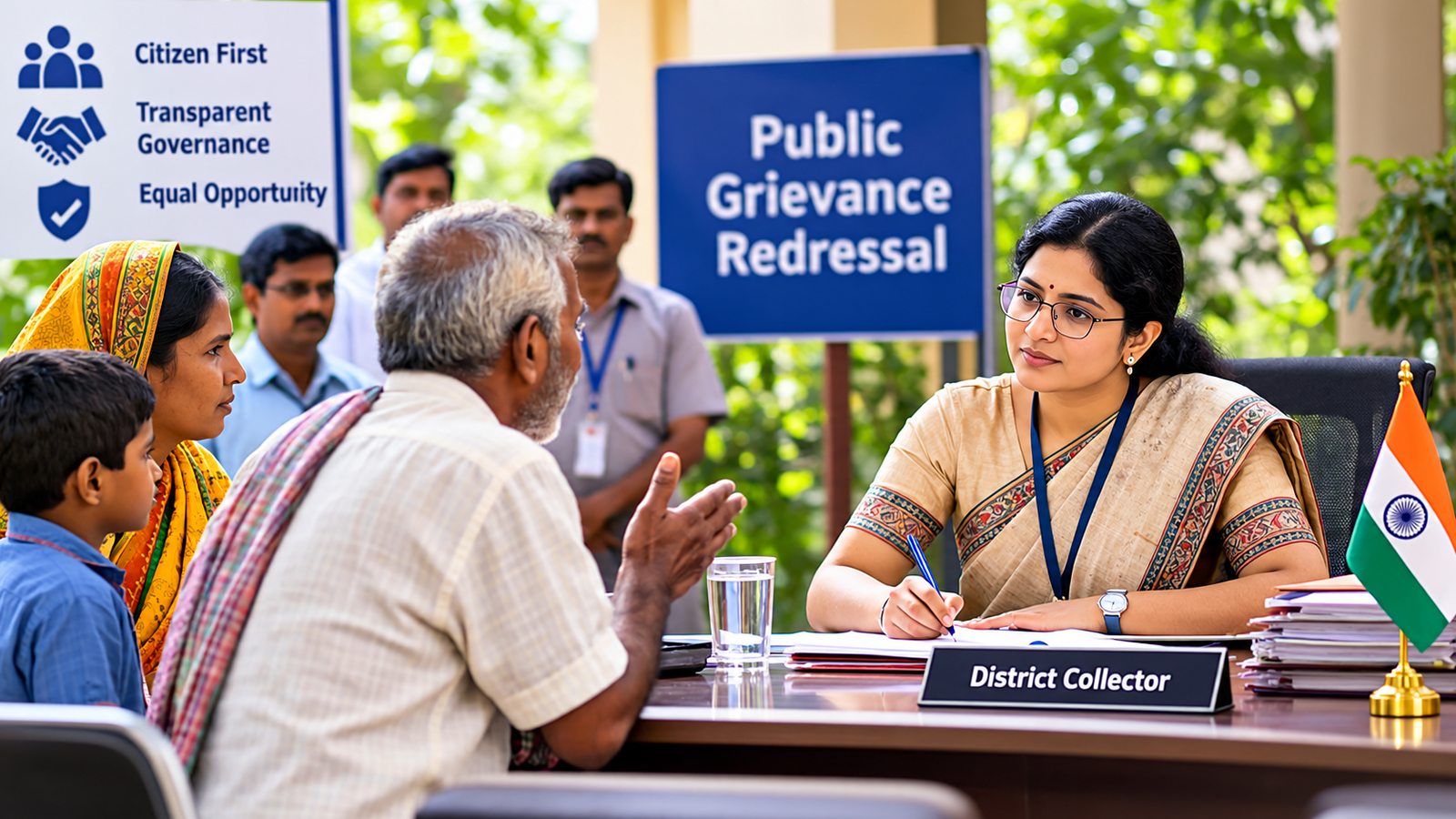
Understand the meaning, nature, characteristics and classification of human values. Examine how values shape individual behaviour, social relationships, moral judgement and ethical conduct in public administration.
-
Ethics in Public Relationships: Values, Responsibilities and Challenges

Explore the ethical principles governing public relationships, including interactions between civil servants, citizens, colleagues, political representatives and institutions. Understand the importance of impartiality, integrity, accountability, transparency and public service values.
-
Megalithic Cultures of India: Burial Practices, Iron Technology, Archaeological Sites and Historical Significance

Understand the Megalithic Cultures of India, their distinctive burial monuments, iron technology, pottery traditions, economic activities and regional archaeological sites. Examine their contribution to understanding Iron Age societies and the transition towards early historic India.
-
The Vedic Age: Early Vedic and Later Vedic Periods – Society, Economy, Polity and Religion
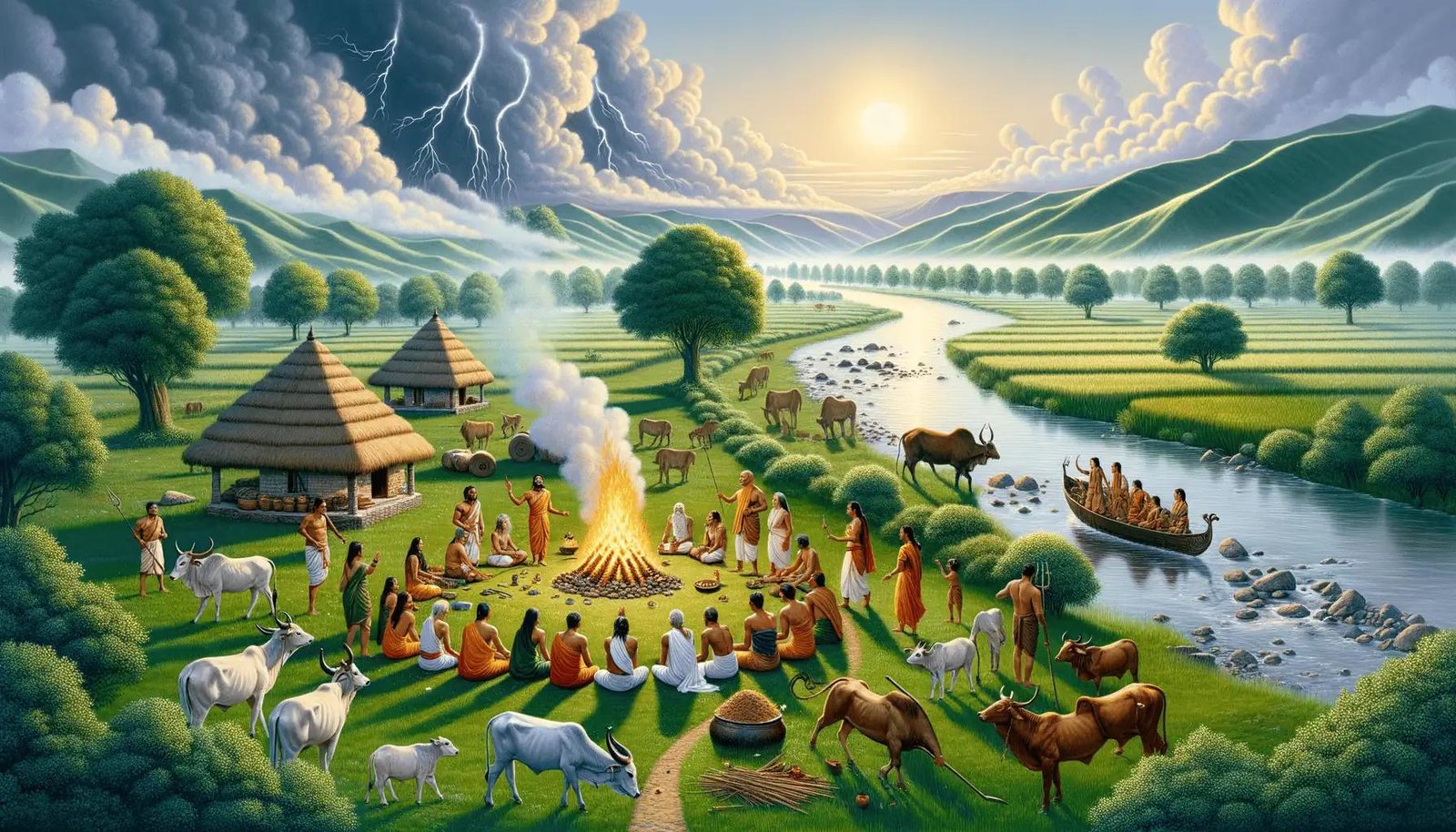
Explore the evolution of ancient Indian society during the Vedic Age. Understand the Early and Later Vedic periods, Vedic literature, political institutions, pastoral and agricultural economy, social organisation, religious beliefs and philosophical developments.
-
Indus Valley Civilisation (Harappan Civilisation): Origin, Evolution, Features and Decline
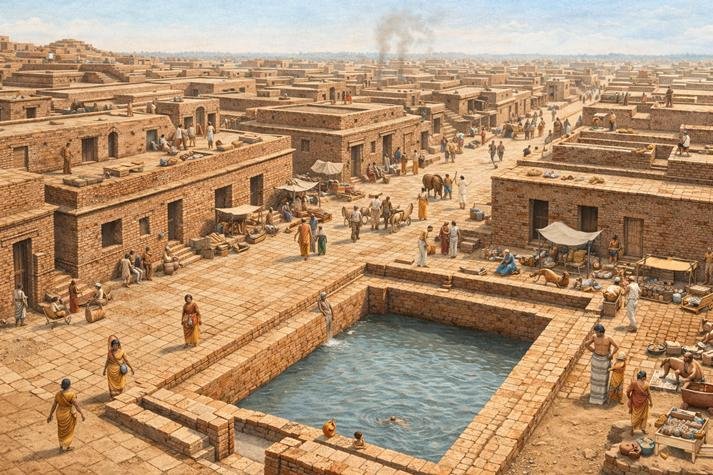
Study the Harappan Civilisation, one of the earliest urban civilisations of the ancient world. Understand its geographical extent, archaeological discoveries, town planning, drainage systems, agriculture, trade, art, religious practices and theories explaining its decline.
-
Introduction and Sources of Ancient Indian History

Explore how historians reconstruct Ancient Indian History through archaeological discoveries, literary traditions, inscriptions, coins and foreign accounts. This comprehensive article examines the major historical sources, their significance, limitations and relevance for UPSC Civil Services Examination.