
Latest posts
-
Space Debris: India’s Vision for a Debris-Free Space by 2030
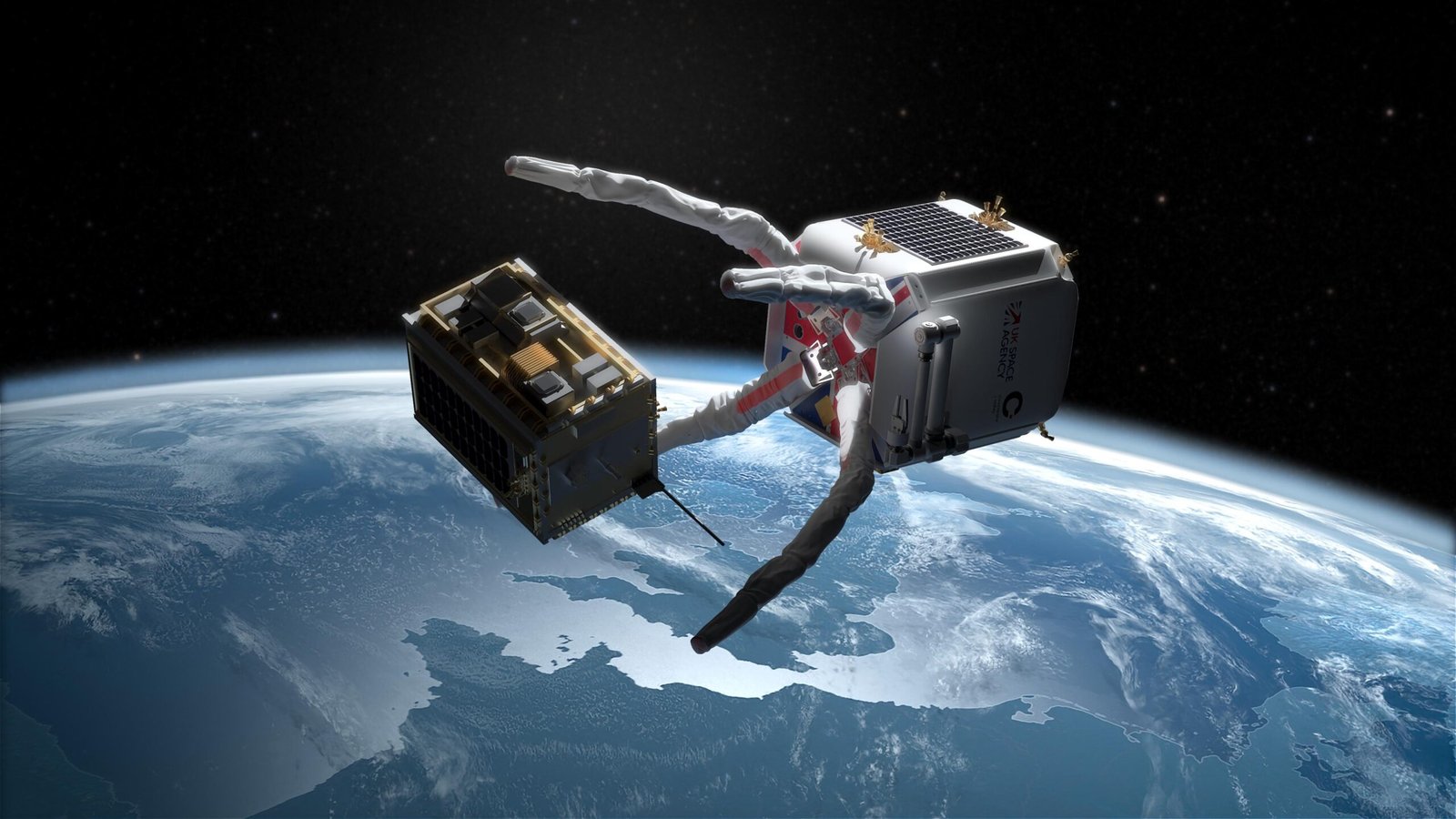
The growing accumulation of space debris threatens satellites, space stations and the long-term sustainability of outer space. Examine India’s Debris-Free Space Missions initiative, Active Debris Removal technologies, Space Situational Awareness capabilities, SpaDeX and the challenges of global space governance.
-
Critical Minerals: Why India Must Move Beyond Mining to Build a Complete Mineral Value Chain
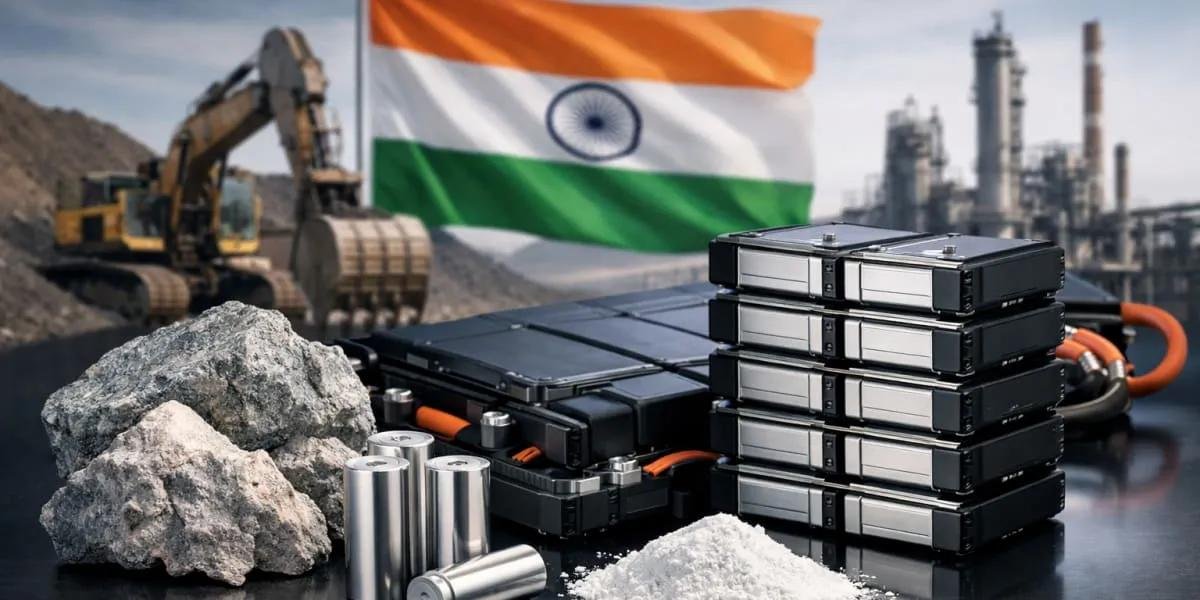
Critical minerals are becoming strategic resources for economic security, advanced manufacturing and national defence. Examine India’s ₹2,814 crore CAPEX Support Scheme, National Critical Mineral Mission, mineral auction reforms, processing challenges and the need to develop an integrated domestic mineral value chain.
-
Article 1: India’s Energy Storage Challenge – Can Grid-Scale Storage Make Renewable Energy Reliable?
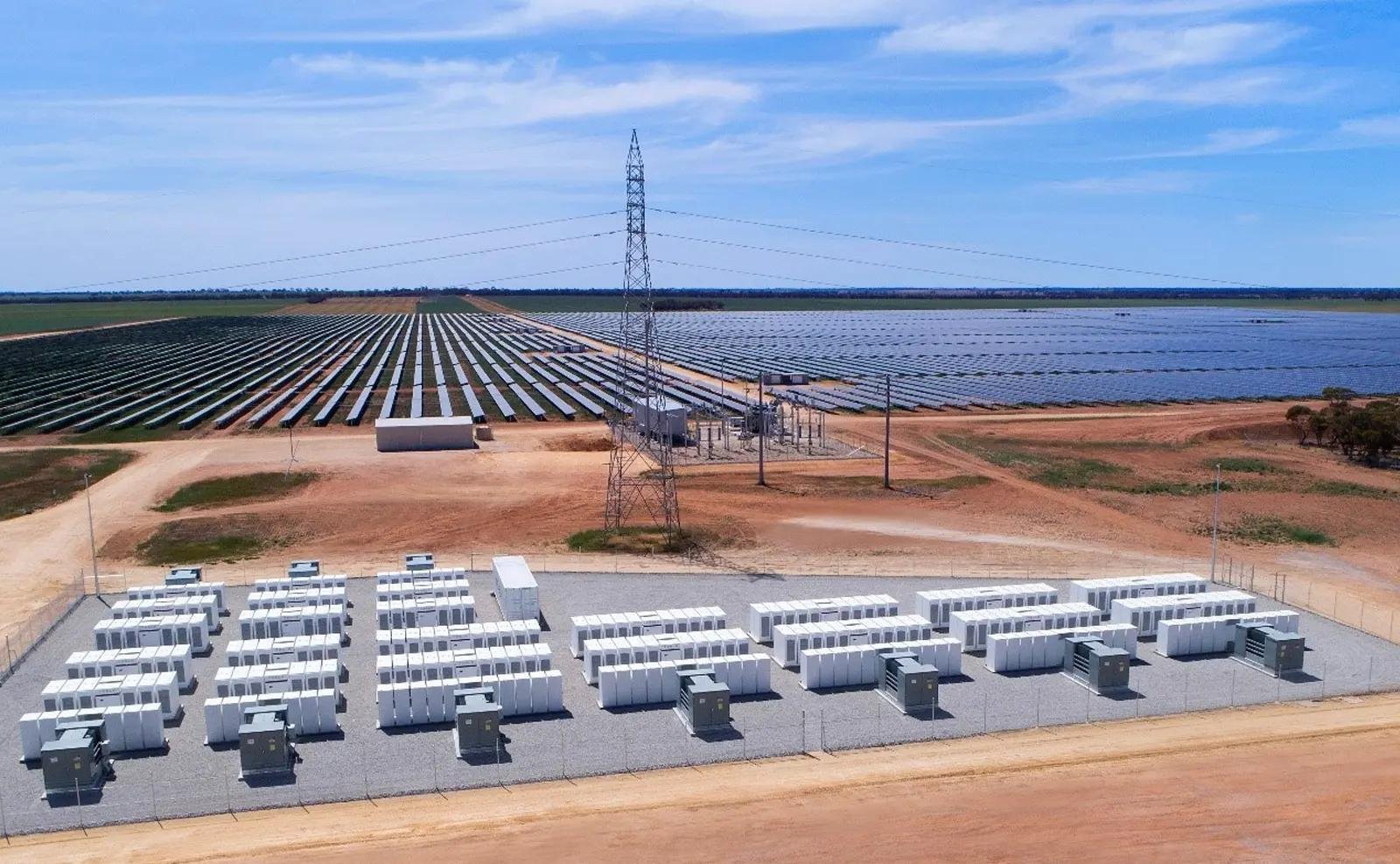
India’s renewable energy transition requires more than solar and wind capacity expansion. Examine how the ₹14,500 crore grid-scale energy storage scheme can strengthen energy security, grid stability and round-the-clock renewable electricity supply.
-
Ordinance-Making Power in India: Articles 123 and 213, Judicial Review and Legislative Accountability
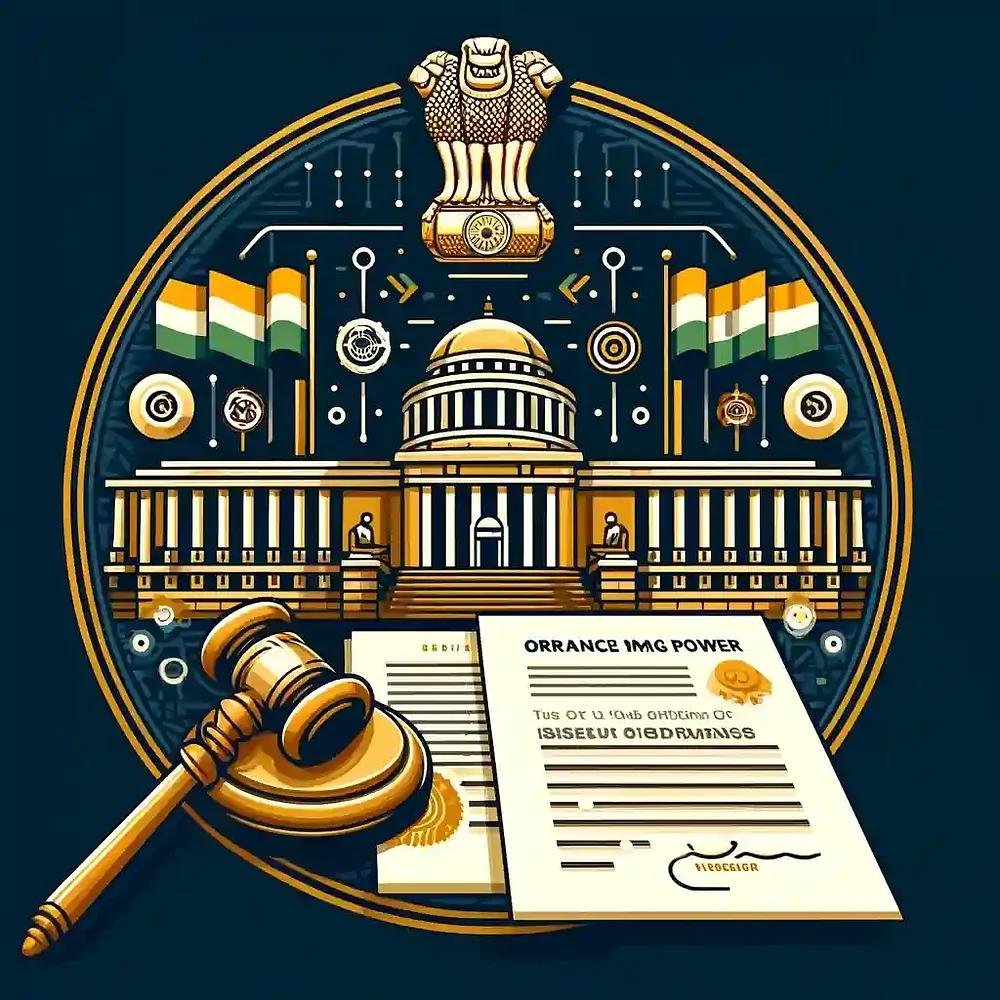
Understand the ordinance-making powers of the President and Governor under Articles 123 and 213, their constitutional limitations, judicial review and landmark Supreme Court judgments.
-
Parliamentary Privileges in India: Freedom of Speech, Legislative Immunity and Constitutional Accountability
Explore the constitutional basis of parliamentary privileges, freedom of speech, legislative immunity, breach of privilege and the Supreme Court’s Sita Soren judgment on bribery and accountability.
-
The Governor in India: Constitutional Powers, Discretionary Authority and Centre–State Relations
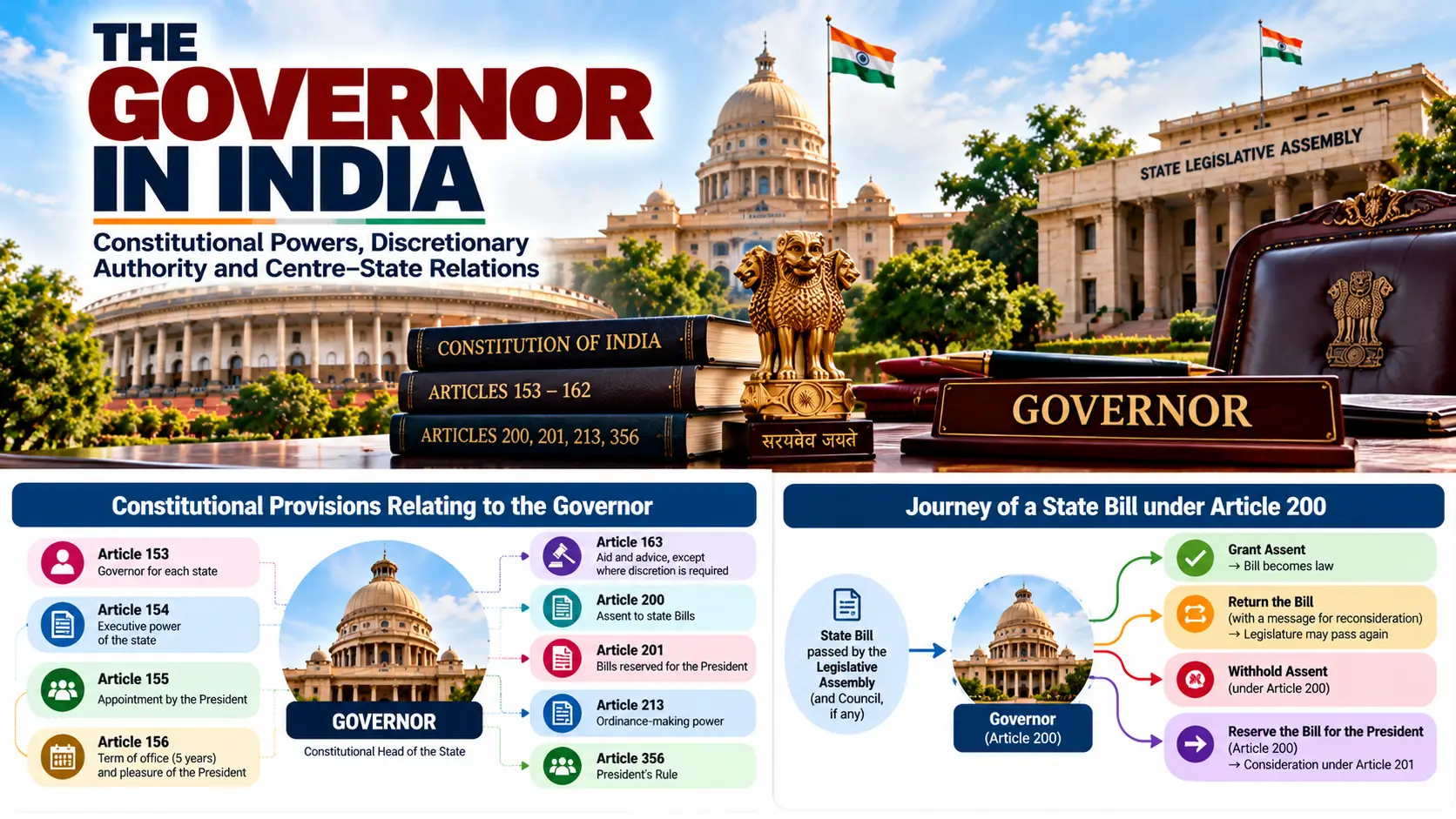
Explore the constitutional position of the Governor, executive and legislative powers, discretionary authority, assent to Bills, key Supreme Court judgments and reforms to strengthen federalism.
-
Can River Interlinking Solve India’s Water Crisis? Benefits, Risks and the Way Forward

Can river interlinking solve India’s water crisis? Explore the National Perspective Plan, the Ken–Betwa Link Project, irrigation potential, environmental concerns, interstate relations and sustainable alternatives for water security.
-
India’s Urban Heat Island Effect: Why Cities Are Getting Hotter and How Urban Planning Must Respond

Indian cities are becoming increasingly vulnerable to urban heat due to expanding built-up areas, declining tree cover and heat-retaining construction materials. Explore the causes, health and economic impacts, policy framework and solutions for heat-resilient urban development.
-
The Comptroller and Auditor General of India (CAG): Constitutional Powers, Independence and Public Accountability
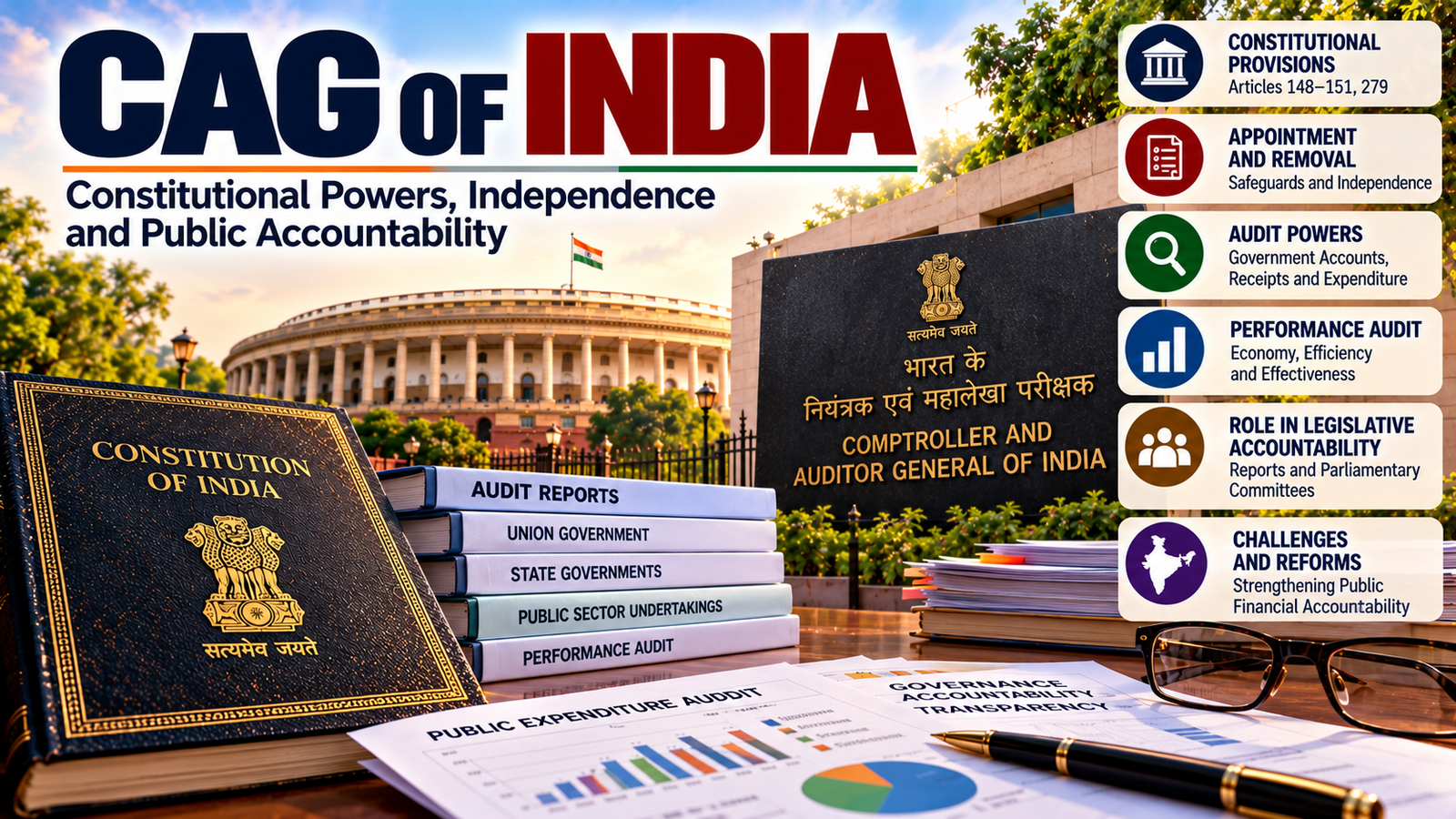
Explore the constitutional position, powers and independence of the Comptroller and Auditor General of India, along with the institution’s role in public expenditure oversight, legislative accountability and governance reforms.
-
Money Bills in India: Article 110, the Speaker’s Certification and Judicial Review
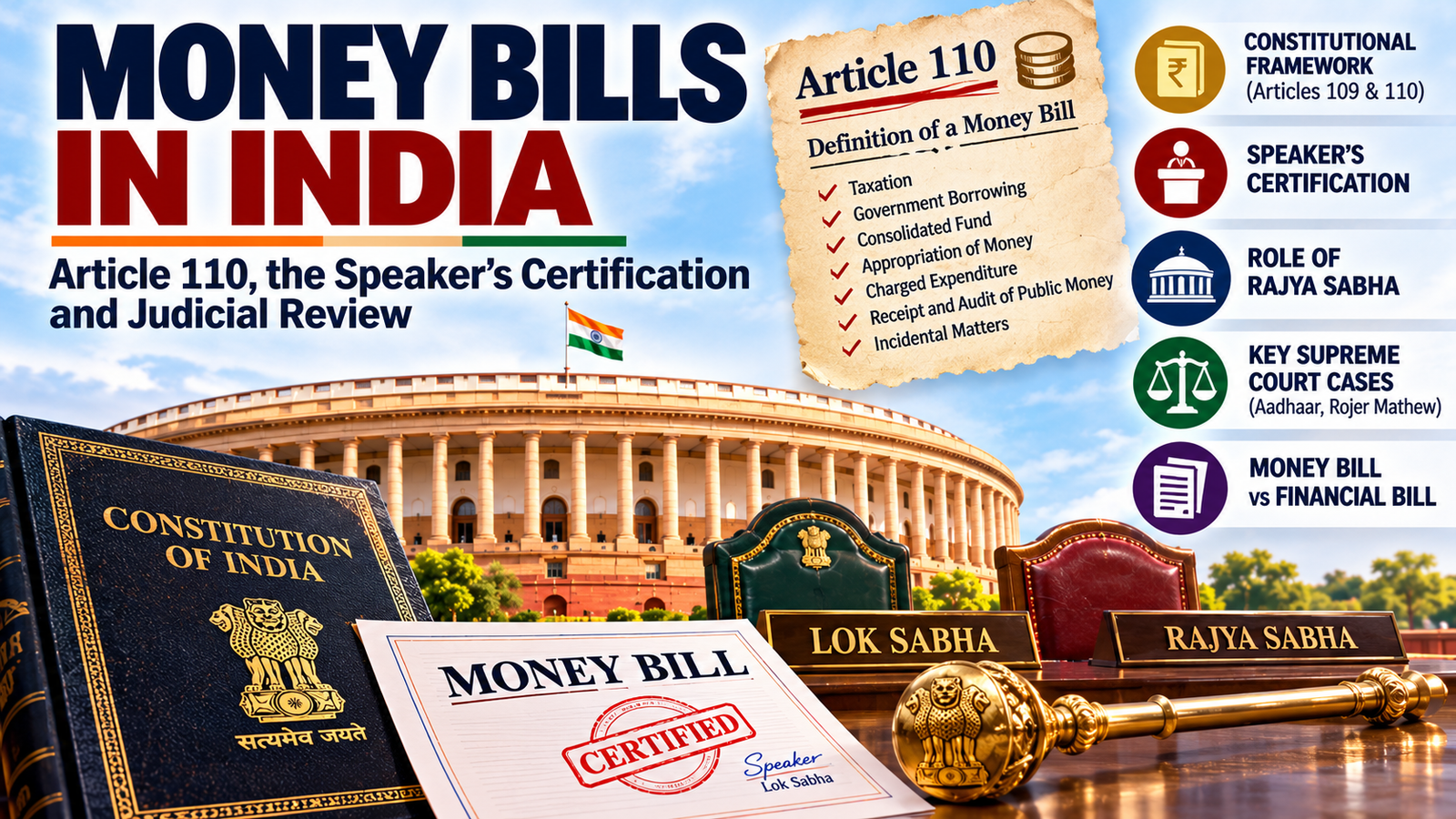
Article 110 defines Money Bills and establishes a special legislative procedure in Parliament. This UPSC-focused analysis explains Speaker certification, the role of the Rajya Sabha, the distinction between Money and Financial Bills, key Supreme Court cases and the constitutional issues surrounding judicial review.