
Latest posts
-
India–New Zealand Free Trade Agreement: Opportunities, Safeguards and Significance for India

The India–New Zealand Free Trade Agreement entered into force on 20 October 2026. Understand its export opportunities, investment provisions, services commitments, agricultural safeguards and implications for India’s economy and trade policy.
-
BRICS 2026: India’s Chairship and the New Delhi Summit

The 18th BRICS Summit in New Delhi highlights India’s 2026 chairship, the group’s expanding agenda, Global South cooperation and the changing architecture of global governance.
-
Strait of Hormuz: Geography, Geopolitics and Global Energy Security
The Strait of Hormuz is a crucial maritime passage that significantly influences global energy security and international relations. It connects the Persian Gulf to the Arabian Sea and is vital for oil transport. Ongoing geopolitical tensions involving Iran, the U.S., and other nations heighten concerns about potential disruptions, impacting economies worldwide, especially India’s energy security.
-
World Bank
The World Bank is an international financial institution that provides loans, grants, and technical assistance to countries for development projects. It was established in 1944 and is composed of two institutions: the International Bank for Reconstruction and Development (IBRD) and the International Development Association (IDA). Here’s a brief overview of the World Bank: Overall, the…
-
WTO
“The WTO, or the World Trade Organization, is an international organization established in 1995. It aims to facilitate global trade, promote economic development, and provide a platform for member countries to negotiate trade agreements and resolve disputes. It operates on principles of non-discrimination, transparency, predictability, and fairness. The WTO’s functions include trade negotiations, dispute settlement,…
-
BIMSTEC
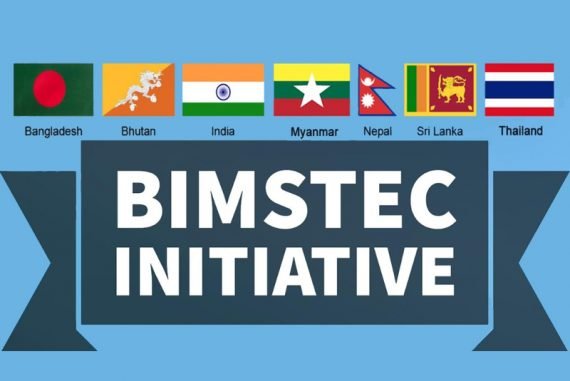
BIMSTEC, which stands for the Bay of Bengal Initiative for Multi-Sectoral Technical and Economic Cooperation, is a regional organization comprised of seven member countries: Bangladesh, Bhutan, India, Myanmar, Nepal, Sri Lanka, and Thailand. The organization was established in 1997 with the aim of promoting cooperation and integration among these countries in various sectors such as…
-
SAARC

SAARC, which stands for the South Asian Association for Regional Cooperation, is an intergovernmental organization comprising eight member countries in South Asia. It was established in 1985 with the goal of promoting regional cooperation and integration. Here’s an overview of SAARC and its significance: Despite its significance, it’s important to note that SAARC has faced…
-
NATO

NATO, which stands for the North Atlantic Treaty Organization, is an intergovernmental military alliance formed in 1949. It was established with the signing of the North Atlantic Treaty, and its primary purpose is to ensure the collective defense and security of its member states. Here’s an overview of NATO and its significance: In summary, NATO…
-
BRICS
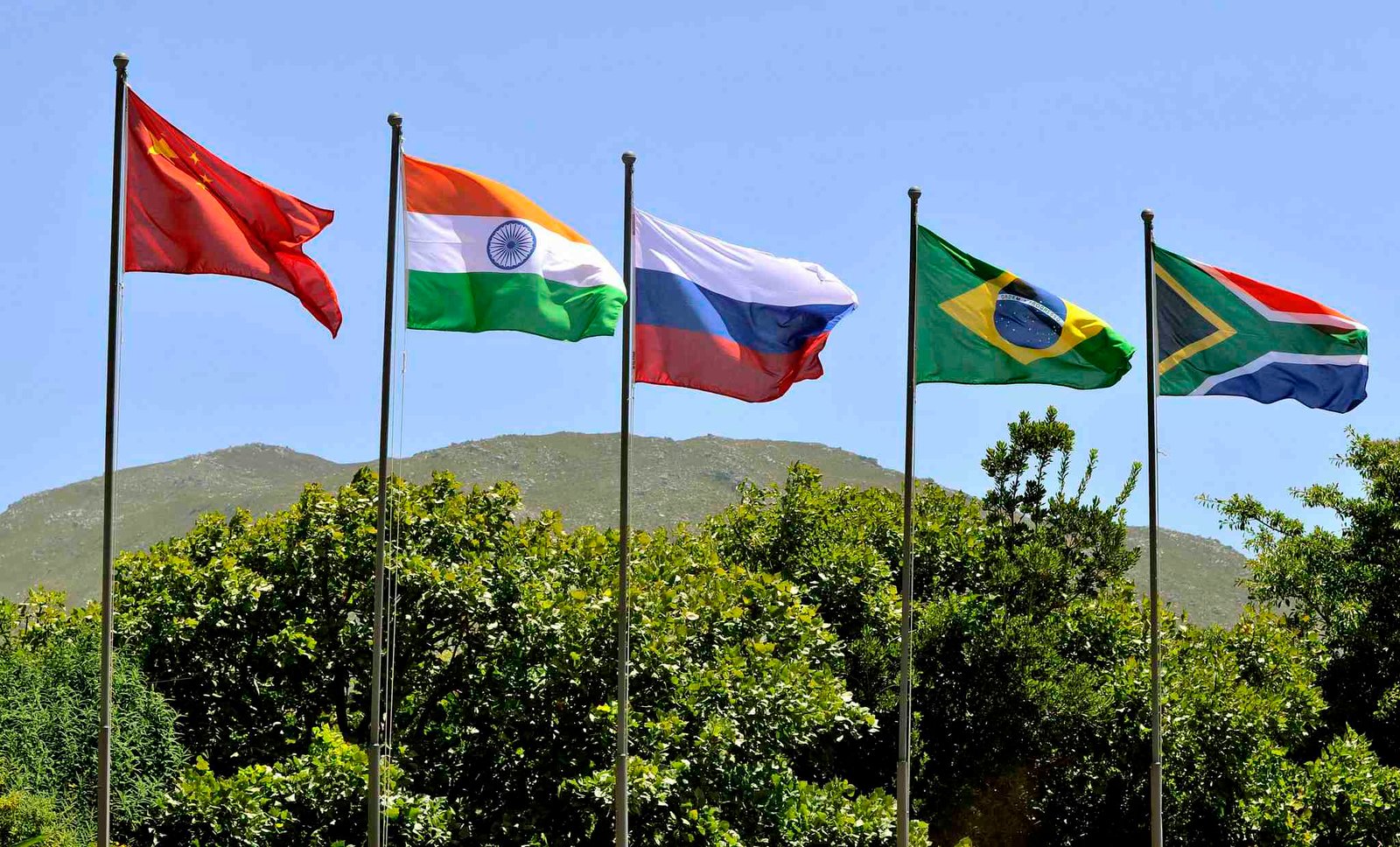
The “BRICS” group, which stands for Brazil, Russia, India, China, and South Africa. The BRICS group is an association of five major emerging economies from different regions of the world. Here’s a discussion on the BRICS group and its significance: Overall, the BRICS group’s significance lies in its potential to shape the global economic and…
-
Shanghai Cooperation Organization
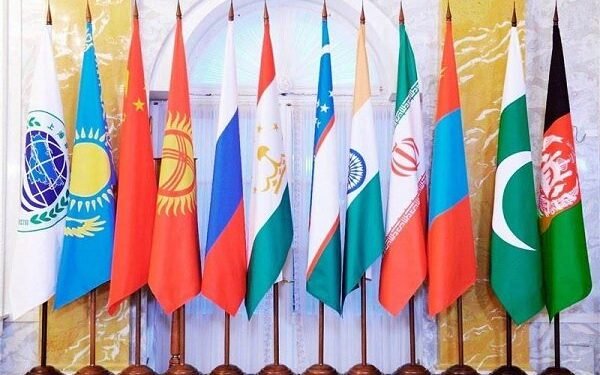
The Shanghai Cooperation Organization (SCO) is an intergovernmental international organization established in 2001. It currently comprises eight member states, namely China, Russia, India, Pakistan, Kazakhstan, Kyrgyzstan, Tajikistan, and Uzbekistan. The SCO was originally founded by China, Russia, Kazakhstan, Kyrgyzstan, Tajikistan, and Uzbekistan, with India and Pakistan joining as full members in 2017. The primary objectives…