
Latest posts
-
Megalithic Cultures of India: Burial Practices, Iron Technology, Archaeological Sites and Historical Significance

Understand the Megalithic Cultures of India, their distinctive burial monuments, iron technology, pottery traditions, economic activities and regional archaeological sites. Examine their contribution to understanding Iron Age societies and the transition towards early historic India.
-
The Vedic Age: Early Vedic and Later Vedic Periods – Society, Economy, Polity and Religion
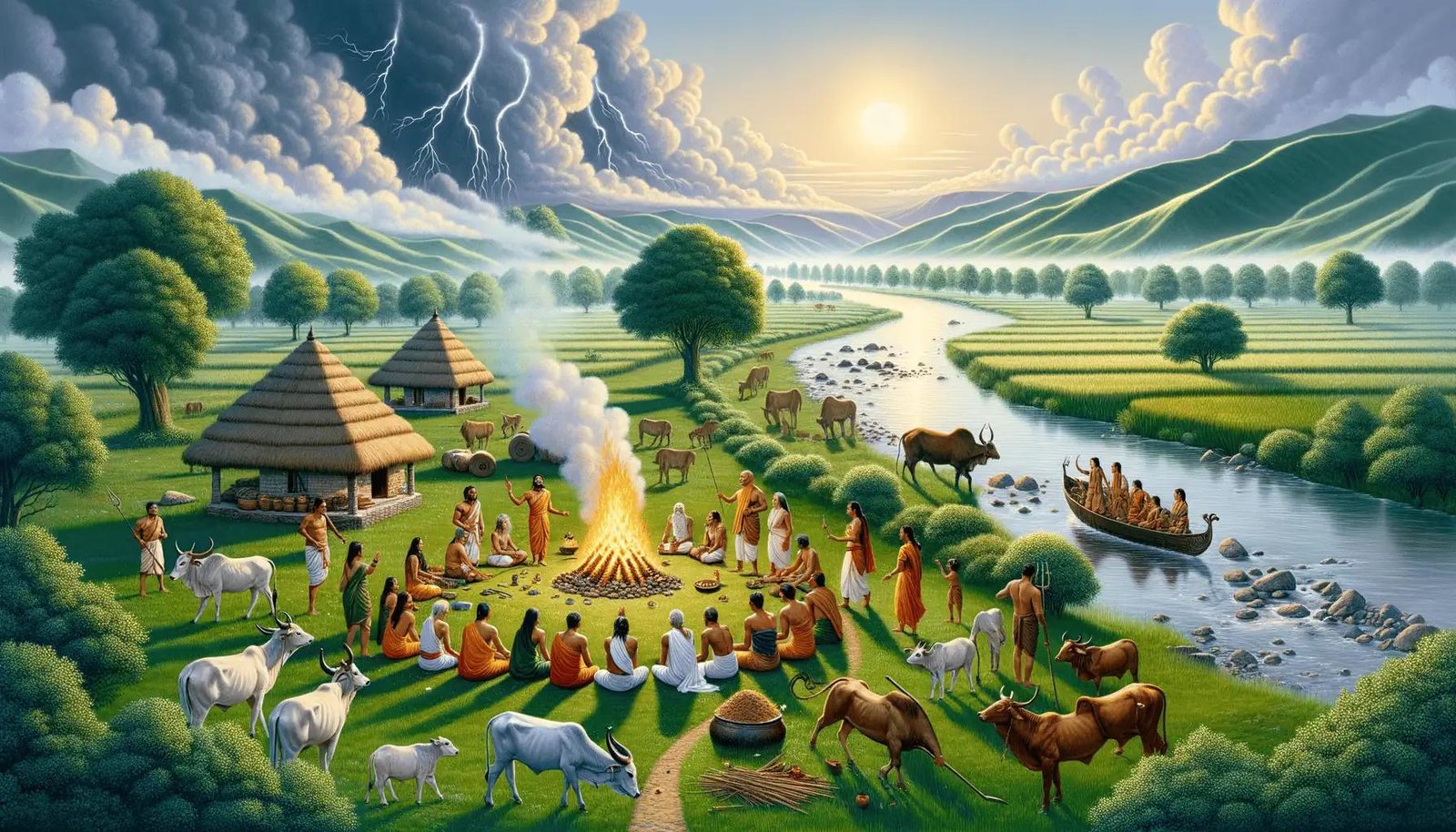
Explore the evolution of ancient Indian society during the Vedic Age. Understand the Early and Later Vedic periods, Vedic literature, political institutions, pastoral and agricultural economy, social organisation, religious beliefs and philosophical developments.
-
Indus Valley Civilisation (Harappan Civilisation): Origin, Evolution, Features and Decline
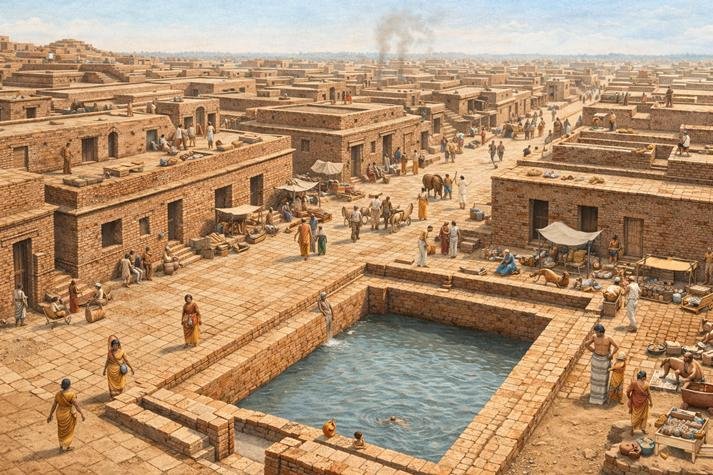
Study the Harappan Civilisation, one of the earliest urban civilisations of the ancient world. Understand its geographical extent, archaeological discoveries, town planning, drainage systems, agriculture, trade, art, religious practices and theories explaining its decline.
-
Introduction and Sources of Ancient Indian History
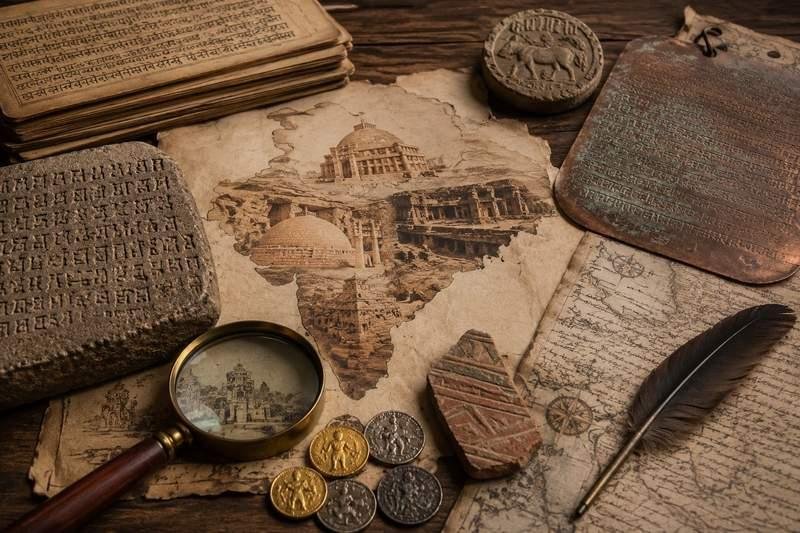
Explore how historians reconstruct Ancient Indian History through archaeological discoveries, literary traditions, inscriptions, coins and foreign accounts. This comprehensive article examines the major historical sources, their significance, limitations and relevance for UPSC Civil Services Examination.
-
MAKING OF THE INDIAN CONSTITUTION: DRAFTING PROCESS, CONSTITUTIONAL DEBATES, ADOPTION AND COMMENCEMENT
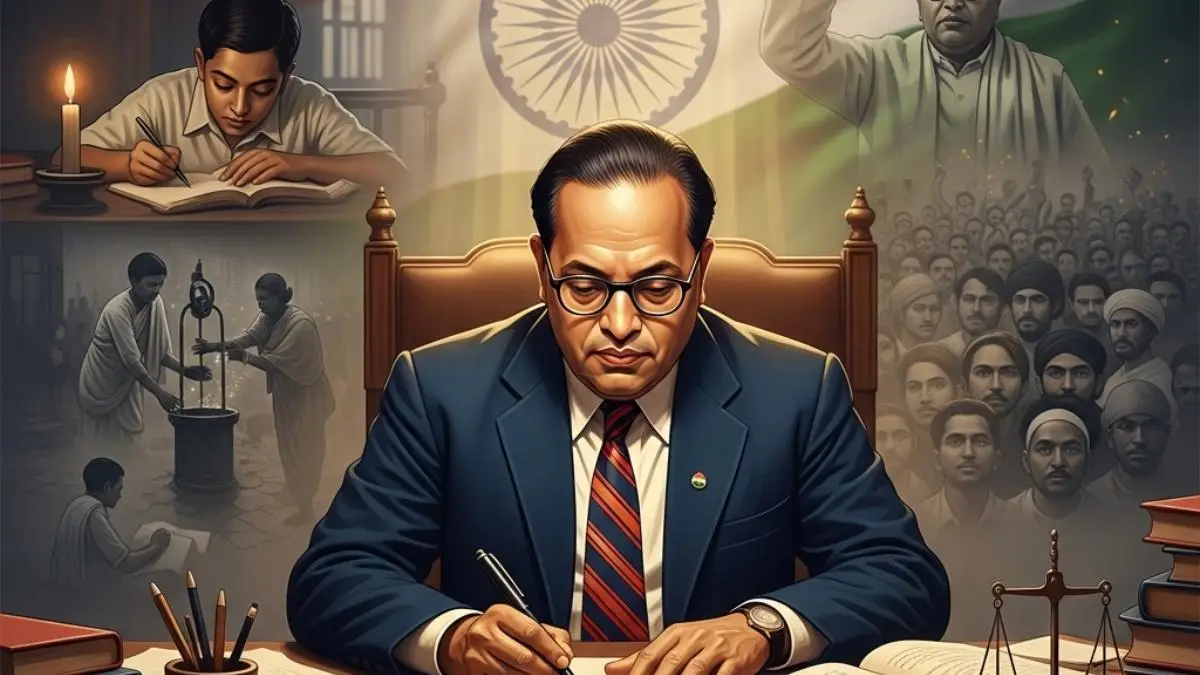
The making of the Indian Constitution involved extensive research, committee deliberations, drafting, public consultation and constitutional debates. Understand the role of B. N. Rau, Dr. B. R. Ambedkar and the Drafting Committee, the three readings of the Draft Constitution, its adoption on 26 November 1949 and commencement on 26 January 1950.
-
CONSTITUENT ASSEMBLY OF INDIA: COMPOSITION, COMMITTEES, MEMBERSHIP AND FUNCTIONING
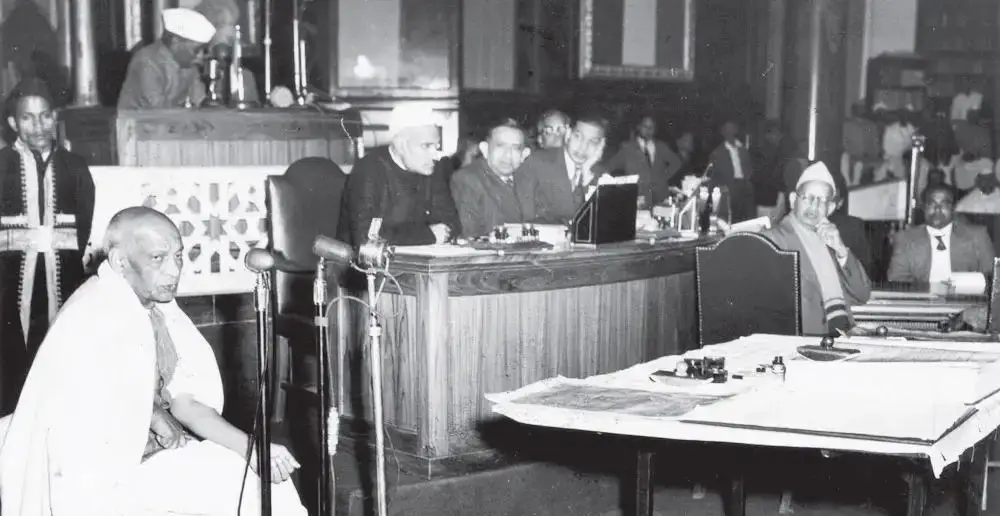
The Constituent Assembly of India was responsible for framing the Constitution of independent India. Explore its composition, method of election, important committees and chairpersons, role of key personalities, functioning, constitutional contributions and criticisms. Comprehensive UPSC GS Paper II study material.
-
THE PREAMBLE TO THE INDIAN CONSTITUTION
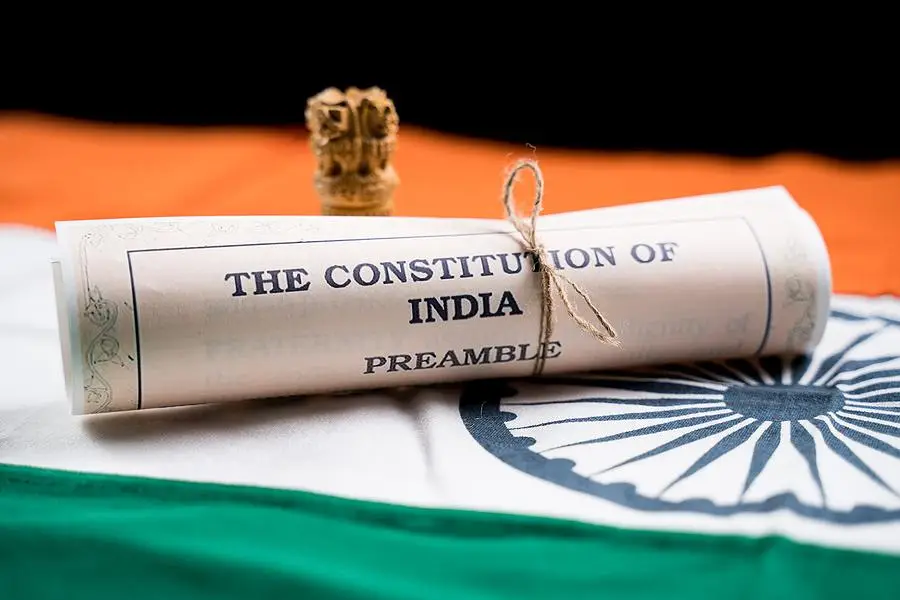
The Preamble of the Indian Constitution expresses the fundamental philosophy and objectives of the Indian Republic. Understand its historical origin, meaning of key expressions, constitutional significance, landmark Supreme Court judgments and amendment through the 42nd Constitutional Amendment Act, 1976. Comprehensive study material for UPSC Prelims and Mains.
-
Ethics in Private Relationships: Values, Duties and Moral Responsibilities

Examine the ethical principles governing private relationships, including family, friendship and personal commitments. Understand the importance of trust, honesty, loyalty, respect, compassion and the resolution of ethical conflicts.
-
Dimensions of Ethics: Personal, Social, Professional and Public Dimensions
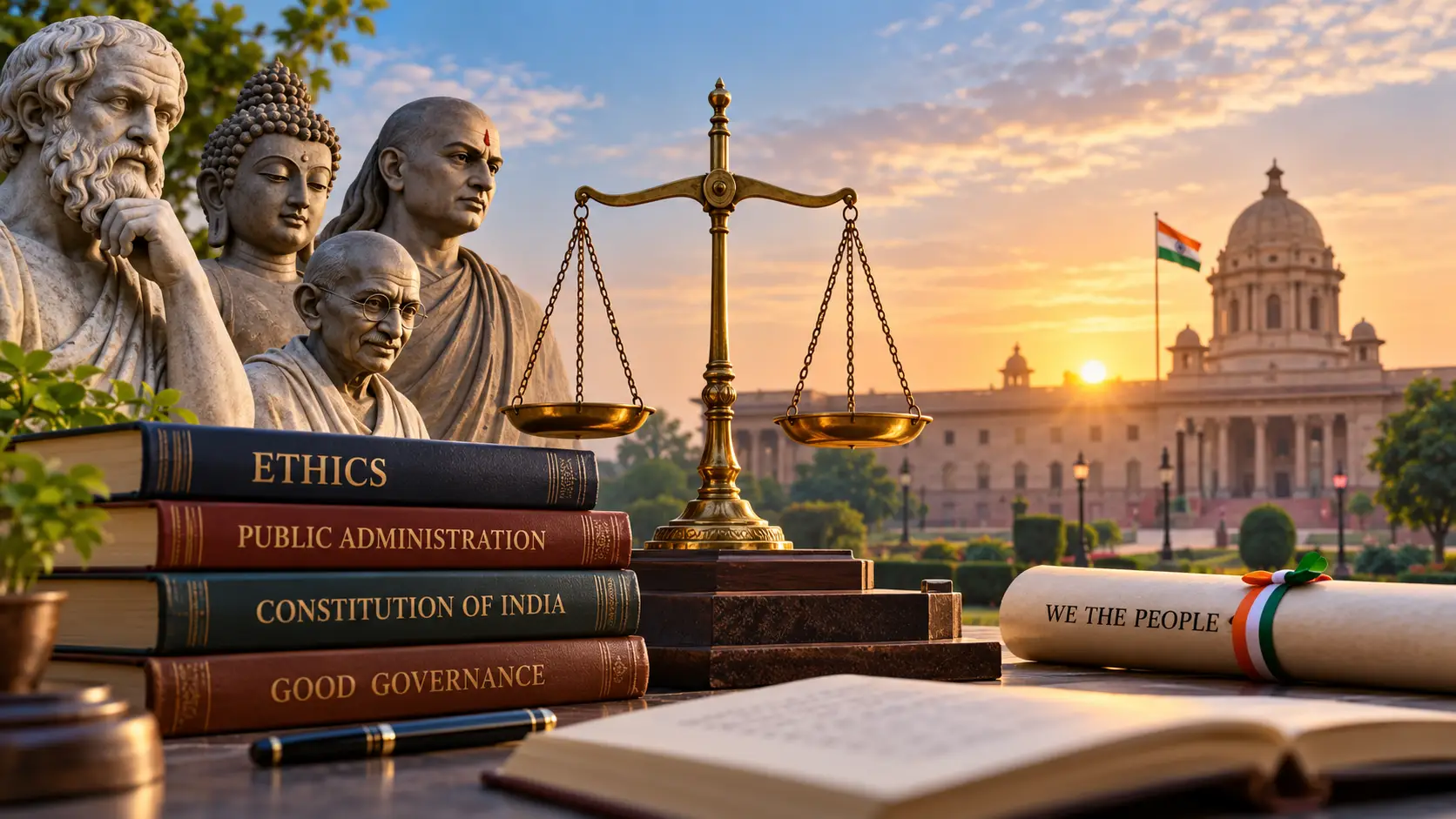
Ethics operates across multiple dimensions of human life. Explore its personal, social, professional, political, environmental and technological dimensions, and understand their relevance to ethical decision-making and public administration.
-
Consequences of Ethics in Human Actions: Impact on Individuals, Society, Institutions and Governance
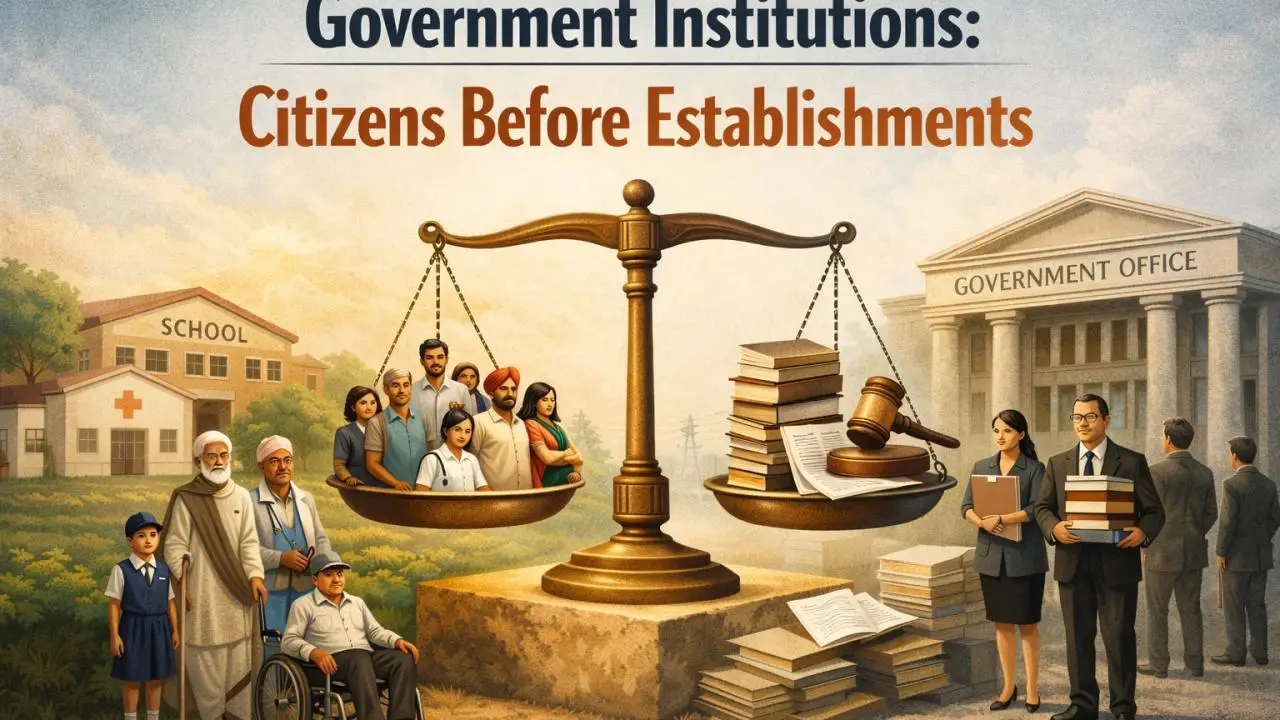
Examine how ethical and unethical conduct influences individual character, interpersonal relationships, social trust, institutional credibility, governance and economic development, with examples relevant to UPSC GS Paper IV.