
Latest posts
-
Article 1: India’s Urbanisation Challenge – Why the Country Needs a National Urbanisation Policy
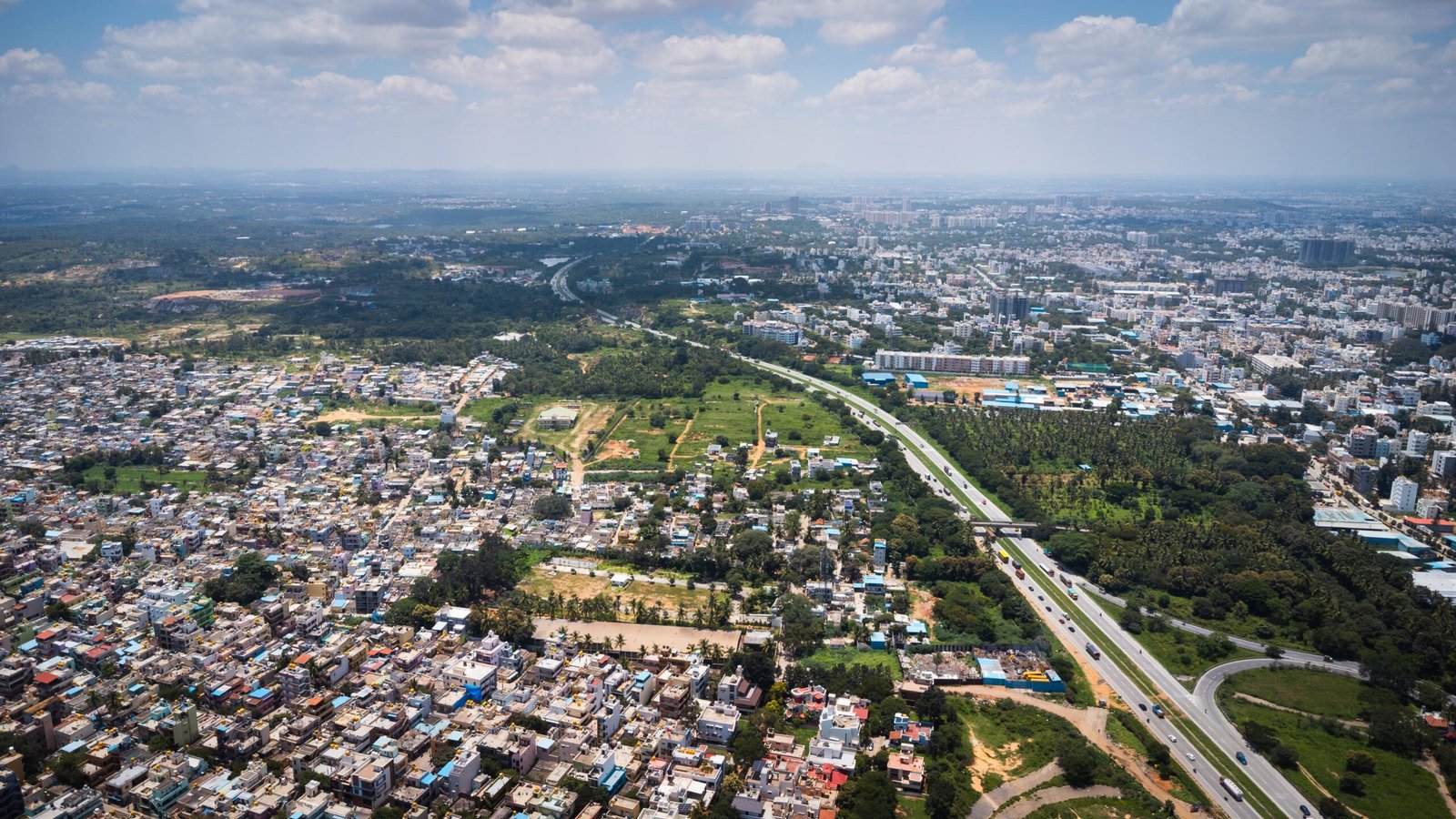
India’s rapid urban transformation has exposed serious gaps in urban planning, municipal governance and infrastructure financing. Examine the need for a National Urbanisation Policy, the challenges of peri-urbanisation, constitutional provisions governing urban local bodies and the reforms required to develop inclusive, productive and climate-resilient cities.
-
India’s Demographic Dividend: Opportunity or Challenge?
India’s demographic dividend represents a crucial economic opportunity, with a large proportion of its population in the working-age group. While this youthfulness can drive growth, it necessitates investments in education, healthcare, and employment. Failure to harness this potential may lead to unemployment and social unrest, emphasizing the importance of strategic policy initiatives.
-
Indian Family System
The Indian family system traditionally featured joint families, patriarchal structures, arranged marriages, elder respect, social support, and cultural celebrations. However, urbanization, changing gender roles, love marriages, legal adjustments, digital communication, education, and economic independence have led to the rise of nuclear families, altered gender roles, and modernized family dynamics, reflecting India’s evolving society.
-
Regionalism in India
Regionalism in India is a phenomenon where regional loyalty surpasses national allegiance, leading to demands for autonomy and even secession. Examples include the formation of new states and movements for cultural preservation. Economic disparities, historical grievances, and political exploitation fuel regionalism, causing political instability and social division. Remedial measures involve economic development, respect for diversity,…
-
Unity in Diversity
“Unity in diversity” is a phrase often used to describe the cultural, religious, linguistic, and ethnic diversity found in India. It conveys the idea that despite India’s wide variety of people and cultures, there is a strong underlying sense of unity and togetherness that binds the country together. Here are some key aspects of “unity…
-
Salient Features of Indian Society
The salient features of Indian society reflect its rich cultural heritage, diversity, and unique social dynamics, including the principle of “Unity in Diversity.” This concept encapsulates the spirit of harmonious coexistence among various cultures, religions, languages, and traditions in India. 1. Cultural Pluralism: India is known for its cultural pluralism, where multiple religions, languages, traditions,…