
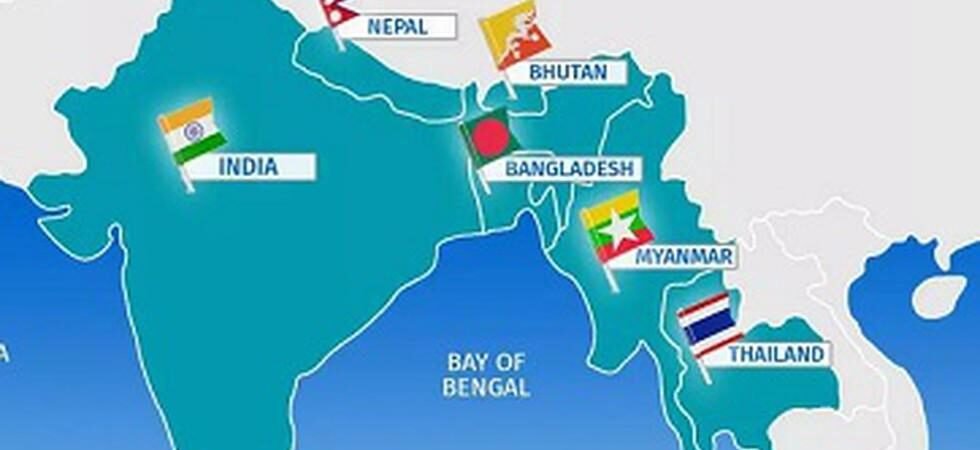
UPSC Current Affairs Analysis | GS Paper II – International Relations, Health and Governance | 12 November 2026
1. Introduction
Public health is increasingly recognised as an important dimension of national security and international cooperation. Infectious diseases do not respect political boundaries, antimicrobial resistance can spread through international travel and trade, and climate change can create common health vulnerabilities across geographically connected countries.
The COVID-19 pandemic demonstrated that the health security of one country is closely connected with the preparedness and response capacity of other countries. Weak disease surveillance, inadequate healthcare infrastructure and delayed sharing of information in one country can create risks for an entire region.
Against this background, the first BIMSTEC Health Ministers’ Meeting, held in Colombo, Sri Lanka, on 11 November 2026, represents an important development in regional cooperation. The meeting unanimously adopted a Joint Ministerial Statement and the Revised BIMSTEC Plan of Action on Public Health (2026–2030).
The framework identifies cooperation in disease surveillance, pandemic preparedness, digital health, antimicrobial resistance, traditional medicine, the One Health approach, climate-related health responses and healthcare workforce development. It also envisages exploring a BIMSTEC Digital Health Framework. Press Information Bureau+1
The development is significant for India because the Bay of Bengal region connects South Asia with Southeast Asia. Its countries share geographical proximity, cross-border population movements, ecological systems and common public health vulnerabilities.
The central issue is whether BIMSTEC can evolve from a platform for general regional cooperation into a more effective mechanism for collective health security.
2. What is BIMSTEC?
The Bay of Bengal Initiative for Multi-Sectoral Technical and Economic Cooperation (BIMSTEC) is a regional organisation established to promote cooperation among countries located in and around the Bay of Bengal.
It seeks to build connectivity between South Asia and Southeast Asia through cooperation in economic, technological, security, environmental and social sectors.
2.1 Evolution of BIMSTEC
BIMSTEC was established on 6 June 1997 through the Bangkok Declaration.
Its evolution took place in stages:
| Year | Development |
|---|---|
| 1997 | Established as BIST-EC by Bangladesh, India, Sri Lanka and Thailand |
| December 1997 | Myanmar joined; the grouping became BIMST-EC |
| 2004 | Nepal and Bhutan joined; the grouping adopted its present name |
| 2014 | BIMSTEC Secretariat established in Dhaka, Bangladesh |
| 2018 | Fourth BIMSTEC Summit emphasised institutional strengthening and greater implementation |
| 2022 | Fifth Summit approved a restructured framework of seven sectors of cooperation |
| 2025 | Sixth BIMSTEC Summit in Bangkok provided the impetus for a dedicated Health Ministers’ mechanism |
| 2026 | First BIMSTEC Health Ministers’ Meeting held in Colombo |
BIMSTEC+2
2.2 Member countries
BIMSTEC has seven members:
Make it snappy! Let’s do away with our existing national anthem | South Asia Journal
Bangladesh
Bhutan introduces new digital identity system | Digital Watch Observatory
Bhutan
India
Member States – Home-The Bay of Bengal Initiative for Multi-Sectoral Technical and Economic
Myanmar
Where Is Nepal? Location, Map, Culture & Travel Guide 2026
Nepal
Sri Lanka Flag | Buy Sri Lanka Flag | North West Flags
Sri Lanka
Thailand
The organisation is strategically important because it connects five South Asian countries with two Southeast Asian countries, creating a bridge between the two subregions.
2.3 Why is the Bay of Bengal region strategically important?
The Bay of Bengal is not merely a maritime space. It is a zone of economic, ecological, demographic and strategic interdependence.
Its importance includes:
- Geographical connectivity: It connects the eastern coast of India and Bangladesh with Myanmar, Thailand and the wider Southeast Asian region.
- Trade and transport: Maritime routes support regional and international trade.
- Ecological interdependence: Rivers, coastlines, forests, wetlands and marine ecosystems cross political boundaries.
- Population movement: Migration, tourism, labour mobility and trade increase cross-border interactions.
- Disaster vulnerability: Cyclones, floods, coastal hazards and changing weather patterns affect multiple countries.
- Public health interdependence: Disease outbreaks, vector-borne infections and zoonotic diseases can spread across borders.
These characteristics make regional cooperation particularly relevant in the field of public health.
3. Why is public health becoming an important area of regional cooperation?
Public health challenges increasingly have a transnational character. Even countries with strong domestic healthcare systems cannot completely insulate themselves from external disease threats.
3.1 Cross-border infectious diseases
Infectious diseases can spread through:
- International travel and tourism.
- Labour migration.
- Trade and transport networks.
- Movement of animals and animal products.
- Cross-border ecological and environmental changes.
The Bay of Bengal region has extensive land and maritime connections. Consequently, an outbreak in one country can create public health concerns for neighbouring countries.
3.2 Lessons from COVID-19
The COVID-19 pandemic exposed several weaknesses in global and regional health preparedness.
First, surveillance systems were uneven. Some countries had stronger diagnostic and reporting infrastructure than others.
Second, supply chains were vulnerable. Restrictions on international movement disrupted the availability of medicines, medical equipment and essential supplies.
Third, health inequalities became more visible. Differences in fiscal capacity, healthcare infrastructure and access to vaccines affected the ability of countries to respond.
Fourth, information-sharing was critical. Delayed reporting and fragmented information weakened the effectiveness of collective responses.
The experience demonstrated that pandemic preparedness cannot be treated exclusively as a domestic policy responsibility.
3.3 Emerging infectious disease threats
The region faces a range of infectious disease challenges, including:
- Dengue and other mosquito-borne diseases.
- Malaria.
- Tuberculosis.
- Emerging and re-emerging viral infections.
- Zoonotic diseases transmitted between animals and humans.
- Food- and water-borne infections.
The geographical diversity of the region, including tropical forests, river basins, coastal settlements and densely populated urban centres, creates complex public health conditions.
3.4 Antimicrobial resistance
Antimicrobial resistance (AMR) occurs when microorganisms such as bacteria, viruses, fungi and parasites evolve in ways that reduce or eliminate the effectiveness of medicines used to treat infections.
AMR is a major public health concern because resistant organisms can spread through human movement, healthcare systems, food chains, animals and the environment.
It can result in:
- Longer duration of illness.
- Increased mortality.
- Higher healthcare expenditure.
- Reduced effectiveness of routine medical procedures.
- Greater difficulty in treating common infections.
Since AMR crosses national boundaries, isolated national interventions are insufficient. Regional surveillance, information exchange, responsible antimicrobial use and coordinated research are necessary.
3.5 Climate change and health
Climate change affects public health through multiple pathways:
| Climate-related factor | Possible health consequences |
|---|---|
| Rising temperatures | Heat stress and heat-related mortality |
| Changing rainfall patterns | Changes in mosquito breeding and vector-borne disease distribution |
| Floods | Water contamination and outbreaks of water-borne diseases |
| Cyclones | Injuries, displacement and disruption of healthcare services |
| Droughts | Food insecurity, malnutrition and water scarcity |
| Coastal hazards | Displacement, livelihood disruption and mental health impacts |
The Bay of Bengal is particularly vulnerable to cyclones, floods and coastal hazards. Regional cooperation can help improve early warning, emergency preparedness and continuity of essential healthcare services.
4. First BIMSTEC Health Ministers’ Meeting, 2026
Home-The Bay of Bengal Initiative for Multi-Sectoral Technical and Economic
The first BIMSTEC Health Ministers’ Meeting was held in Colombo on 11 November 2026, with participation from all seven member countries.
The meeting was chaired by Sri Lanka’s Minister of Health and Mass Media. India’s Union Health Minister, J.P. Nadda, represented India.
The meeting followed the decision taken at the Sixth BIMSTEC Summit in Bangkok in April 2025 to establish a dedicated mechanism for cooperation among Health Ministers.
Two major outcomes emerged:
- Adoption of a Joint Ministerial Statement.
- Adoption of the Revised BIMSTEC Plan of Action on Public Health (2026–2030).
The ministers also agreed to convene Health Ministers’ Meetings and Senior Officials’ Meetings every two years. Thailand offered to host the second Health Ministers’ Meeting in 2028. Press Information Bureau+2
4.1 Major areas of cooperation
| Area | Proposed direction |
|---|---|
| Disease surveillance | Strengthening regional monitoring and information exchange |
| Pandemic preparedness | Improving emergency preparedness and response |
| Early warning systems | Timely detection and communication of health threats |
| Antimicrobial resistance | Coordinated action against resistant microorganisms |
| Digital health | Telemedicine, interoperable health records and AI applications |
| Traditional medicine | Research, capacity building and knowledge-sharing |
| One Health | Integration of human, animal and environmental health |
| Climate and health | Cooperation on climate-related health risks |
| Health workforce | Training, institutional partnerships and capacity development |
Press Information Bureau+1
4.2 Regional institutional initiatives
The meeting also welcomed several proposals and initiatives:
- BIMSTEC Regional Centre of Excellence for Public Health: Proposed by Sri Lanka.
- BIMSTEC Centre of Excellence on Tropical Medicine: Being established in Thailand.
- BIMSTEC Centre of Excellence in Traditional Medicine: India’s initiative, to be hosted at the Institute of Teaching and Research in Ayurveda (ITRA), Jamnagar, Gujarat.
- Regional Zoonotic Disease Observatory and Early Warning System: Proposed by Bangladesh.
These initiatives are intended to strengthen regional research, institutional capacity, disease monitoring and knowledge exchange. They should be understood as distinct institutional proposals and initiatives, rather than as a single operational regional health authority. Press Information Bureau+1
5. India’s role in BIMSTEC health cooperation
India has a significant role in regional health cooperation because of its large pharmaceutical industry, medical workforce, vaccine manufacturing capacity, digital health infrastructure and experience in delivering large-scale public health programmes.
Its geographical position also gives it a central role in connecting South Asia with Southeast Asia.
5.1 India’s healthcare experience
At the Colombo meeting, India highlighted its experience in:
- Expanding primary healthcare through Ayushman Arogya Mandirs.
- Providing financial protection through Ayushman Bharat PM-JAY.
- Strengthening public health infrastructure under PM-ABHIM.
- Expanding digital health initiatives.
- Improving disease surveillance and diagnostic capacity.
The Indian delegation offered to share expertise in primary healthcare, digital health and public health infrastructure with BIMSTEC members.
The Government also highlighted the establishment of more than 1.85 lakh Ayushman Arogya Mandirs and the coverage provided under PM-JAY. These figures were presented by the Union Health Minister at the meeting. Press Information Bureau+1
5.2 Centre of Excellence in Traditional Medicine
India announced its initiative to host the BIMSTEC Centre of Excellence in Traditional Medicine at ITRA, Jamnagar.
The proposed centre is expected to promote:
- Collaborative research.
- Academic exchanges.
- Capacity building.
- Knowledge-sharing.
- Evidence-informed approaches to traditional medicine.
- Quality and safety standards.
This initiative is significant because traditional medicine has a long history across several BIMSTEC countries. However, regional cooperation must be supported by scientific validation, safety assessment, standardisation and appropriate regulation.
Traditional knowledge should be protected against misappropriation, while ensuring that claims relating to treatment effectiveness are supported by credible evidence.
5.3 India–Sri Lanka healthcare cooperation
On the sidelines of the meeting, India and Sri Lanka exchanged an MoU for the supply of 100 additional fully equipped ambulances to Sri Lanka’s 1990 Suwa Seriya Emergency Ambulance Service.
India also announced support for 50 Medical Kiosks/Health ATMs to strengthen primary healthcare services in Sri Lanka, under Indian grant assistance of approximately USD 5.28 million. Press Information Bureau
These initiatives demonstrate how regional cooperation can produce practical benefits beyond diplomatic declarations.
5.4 India’s strategic interests
India’s participation in BIMSTEC health cooperation serves multiple objectives:
- Neighbourhood First: Strengthening development partnerships with immediate neighbours.
- Act East Policy: Deepening engagement with Southeast Asian countries.
- Regional leadership: Sharing India’s healthcare expertise and institutional capacity.
- Health security: Improving preparedness against cross-border disease threats.
- Development diplomacy: Using healthcare cooperation as an instrument of regional goodwill.
- Bay of Bengal integration: Building functional cooperation among countries linked by geography and economic interests.
For India, public health cooperation is therefore both a development priority and an element of regional diplomacy.
6. Key concepts underlying regional health cooperation
The 2026 Plan of Action is important because it connects several contemporary public health concepts. UPSC aspirants should understand these concepts beyond their basic definitions.
6.1 One Health approach
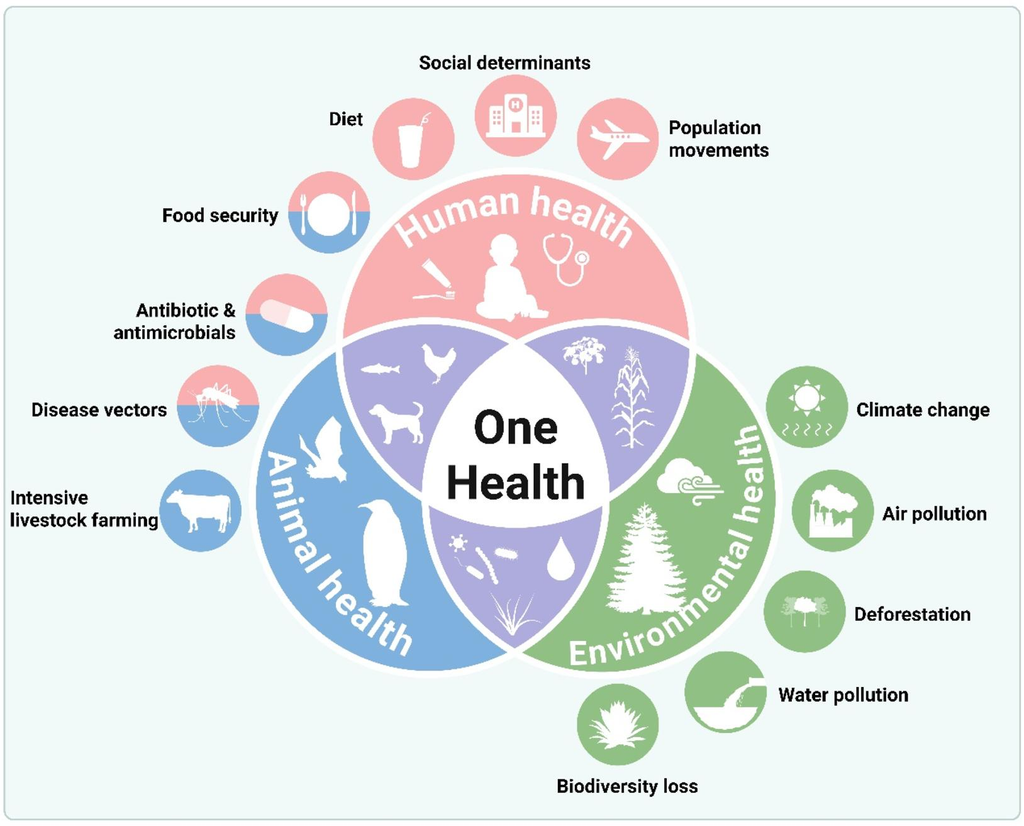
One Health is an integrated and unifying approach that recognises the interdependence of human health, animal health and environmental health.
It is based on the understanding that human health cannot be protected independently of animal populations and ecosystems.
For example:
- Zoonotic diseases may originate in animal populations and spread to humans.
- Excessive use of antibiotics in humans and animals can contribute to antimicrobial resistance.
- Environmental degradation can alter the distribution of disease vectors.
- Climate change can influence the spread of infectious diseases.
A One Health approach therefore requires coordination among:
- Health departments.
- Veterinary and animal husbandry departments.
- Environmental agencies.
- Wildlife authorities.
- Agricultural institutions.
- Research and scientific organisations.
Relevance for BIMSTEC: Countries can coordinate disease surveillance, share information on zoonotic outbreaks and strengthen early warning systems.
6.2 Zoonotic diseases
Zoonotic diseases are infections that can be transmitted between animals and humans.
Examples include rabies, avian influenza, certain forms of coronavirus infection and Nipah virus infection.
The importance of regional cooperation lies in the fact that wildlife habitats, livestock movements, human settlements and ecological systems are not confined to national boundaries.
Bangladesh’s proposal for a Regional Zoonotic Disease Observatory and Early Warning System is therefore relevant to the One Health framework. Press Information Bureau+1
6.3 Antimicrobial resistance
AMR is sometimes described as a silent pandemic because its effects accumulate gradually and can undermine the effectiveness of modern medicine.
Its drivers include:
- Inappropriate prescription and consumption of antibiotics.
- Self-medication.
- Incomplete treatment courses.
- Excessive antimicrobial use in livestock and agriculture.
- Poor infection prevention and control.
- Inadequate sanitation and wastewater management.
- Weak surveillance of resistant microorganisms.
Regional cooperation can support:
- Common surveillance indicators.
- Laboratory networking.
- Information exchange.
- Responsible prescription practices.
- Research and development.
- Infection prevention and control.
6.4 Digital health

Digital health involves the use of information and communication technologies to improve healthcare delivery, management, monitoring and research.
It includes:
- Telemedicine.
- Electronic health records.
- Mobile health applications.
- Digital health identification.
- Artificial intelligence-assisted diagnostics.
- Digital disease surveillance.
A regional digital health framework can potentially improve access to healthcare in remote areas and facilitate cross-border knowledge-sharing.
However, digital health cooperation also requires safeguards relating to data privacy, cybersecurity, interoperability and informed consent.
6.5 Universal Health Coverage
Universal Health Coverage (UHC) means that all individuals and communities should be able to access the quality health services they need without suffering financial hardship.
It includes:
- Health promotion.
- Disease prevention.
- Treatment.
- Rehabilitation.
- Palliative care.
The BIMSTEC Joint Ministerial Statement reaffirms the importance of UHC and the United Nations Sustainable Development Goal 3. Press Information Bureau
7. BIMSTEC and the regional health security architecture
Regional cooperation in public health does not operate in isolation. It is connected to wider international and multilateral health institutions.
7.1 World Health Organization
The World Health Organization (WHO) provides international leadership in public health, develops health standards, supports disease surveillance and coordinates responses to international health emergencies.
BIMSTEC countries can use WHO technical guidance and international health frameworks to strengthen regional cooperation.
7.2 International Health Regulations (2005)
The International Health Regulations (IHR 2005) are legally binding international regulations adopted by WHO member states.
Their purpose is to prevent, protect against, control and provide a public health response to the international spread of disease, while avoiding unnecessary interference with international traffic and trade.
The IHR framework requires countries to develop core capacities for:
- Surveillance.
- Risk assessment.
- Reporting.
- Public health response.
- Preparedness at designated points of entry.
Regional cooperation through BIMSTEC can complement the implementation of these obligations.
7.3 Sustainable Development Goal 3
SDG 3 seeks to ensure healthy lives and promote well-being for all at all ages.
Its targets include:
- Reducing maternal and child mortality.
- Ending major epidemics.
- Combating communicable and non-communicable diseases.
- Achieving UHC.
- Strengthening health financing and the health workforce.
- Improving preparedness for health risks.
BIMSTEC’s public health agenda is aligned with these objectives.
7.4 Regional cooperation and global health governance
| Institution/framework | Main role |
|---|---|
| WHO | Global public health leadership and technical coordination |
| International Health Regulations | International framework for managing public health risks |
| BIMSTEC | Regional cooperation among Bay of Bengal countries |
| ASEAN health cooperation | Public health coordination among Southeast Asian members |
| SAARC health cooperation | Regional health initiatives among South Asian countries |
| SDG 3 | Global development commitment on health and well-being |
BIMSTEC can complement global and regional institutions by focusing on the specific vulnerabilities and opportunities of the Bay of Bengal region.
8. BIMSTEC versus SAARC: Why does the distinction matter?
India’s regional health diplomacy operates through multiple organisations. It is useful to understand the different geographical and institutional contexts of BIMSTEC and SAARC.
| Parameter | BIMSTEC | SAARC |
|---|---|---|
| Establishment | 1997 | 1985 |
| Secretariat | Dhaka, Bangladesh | Kathmandu, Nepal |
| Membership | 7 countries | 8 countries |
| Geographical orientation | Bay of Bengal, connecting South and Southeast Asia | South Asia |
| Institutional character | Sector-driven technical and economic cooperation | Broad regional cooperation |
| Health cooperation | Public health is part of science, technology and innovation cooperation | Health cooperation through regional mechanisms and programmes |
| Strategic relevance for India | Act East and Neighbourhood First | South Asian regional integration |
BIMSTEC provides India with a platform to deepen engagement with both South Asian neighbours and Southeast Asian partners.
It is not a substitute for SAARC. Rather, it represents an additional regional platform with a distinct geographical and strategic orientation.
9. Challenges in implementing regional health cooperation
The adoption of a common plan is an important beginning. However, its effectiveness will depend on implementation.
9.1 Unequal healthcare capacities
BIMSTEC countries have different levels of healthcare infrastructure, financing capacity, medical workforce availability and diagnostic capabilities.
This creates difficulties in establishing common surveillance and response standards.
9.2 Weak data-sharing mechanisms
Effective disease surveillance requires timely, reliable and comparable data.
However, differences in reporting systems, laboratory capacities and digital infrastructure can hinder information exchange.
9.3 Institutional coordination
Public health involves several institutions within each country. At the regional level, coordination becomes more complex because of different administrative systems and policy priorities.
9.4 Financial constraints
Regional public health initiatives require sustained investment in:
- Laboratories.
- Research facilities.
- Digital infrastructure.
- Human resources.
- Training programmes.
- Emergency preparedness.
Without clear financing arrangements, initiatives may remain dependent on limited project-based funding.
9.5 Data protection and digital interoperability
The proposed Digital Health Framework raises questions regarding:
- Protection of personal health information.
- Cross-border data transfers.
- Cybersecurity.
- Consent and access controls.
- Compatibility between national digital health systems.
Digital integration must not weaken the privacy and rights of individuals.
9.6 Differences in national priorities
Countries may have different public health priorities depending on their disease burdens, economic conditions and institutional capabilities.
Regional cooperation must therefore balance common objectives with national policy autonomy.
9.7 From declarations to implementation
One of the recurring challenges in regional organisations is the gap between political commitments and practical implementation.
The effectiveness of the 2026–2030 Plan will depend on measurable targets, regular review, technical cooperation and clear institutional responsibility.
10. Way forward: Building a regional public health security framework
BIMSTEC needs to move beyond periodic meetings and develop an implementation-oriented mechanism for regional health cooperation.
10.1 Establish stronger regional disease surveillance
- Develop compatible disease surveillance indicators.
- Improve cross-border information exchange.
- Strengthen laboratory networks.
- Develop early warning protocols.
- Facilitate rapid communication during outbreaks.
10.2 Operationalise One Health cooperation
Countries should establish structured coordination among human health, veterinary, environmental and wildlife authorities.
Regional research and surveillance should focus on zoonotic diseases and environmental drivers of disease emergence.
10.3 Develop a BIMSTEC Digital Health Framework
The proposed framework should prioritise:
- Interoperable digital health systems.
- Telemedicine cooperation.
- Secure health information exchange.
- AI-supported disease surveillance and diagnostics.
- Digital health capacity building.
A common framework should establish clear standards for data protection and cybersecurity.
10.4 Strengthen regional AMR action
BIMSTEC should promote:
- Coordinated AMR surveillance.
- Responsible antimicrobial use.
- Stronger infection prevention.
- Laboratory capacity building.
- Research and development.
- Monitoring of antimicrobial use in human and animal health.
10.5 Build regional health institutions
The proposed centres of excellence should develop specialised mandates and avoid duplication.
They should facilitate joint research, training, technical support and knowledge exchange.
10.6 Improve emergency preparedness
BIMSTEC countries should develop common protocols for:
- Public health emergencies.
- Cross-border outbreak communication.
- Medical supply-chain disruptions.
- Emergency medical assistance.
- Deployment of trained health personnel.
10.7 Establish measurable implementation indicators
The Plan of Action 2026–2030 should be accompanied by indicators such as:
- Timeliness of disease reporting.
- Number of joint training programmes.
- Laboratory network participation.
- AMR surveillance coverage.
- Capacity for emergency response.
- Progress in digital health interoperability.
Regular ministerial and senior officials’ meetings should review progress against these indicators.
11. Conclusion
The first BIMSTEC Health Ministers’ Meeting marks an important step in expanding regional cooperation beyond conventional areas such as trade, connectivity and security.
The Bay of Bengal region faces shared challenges arising from infectious diseases, antimicrobial resistance, climate change, environmental degradation and unequal healthcare capacities. These challenges cannot be addressed effectively through isolated national interventions.
The Revised BIMSTEC Plan of Action on Public Health (2026–2030) provides a framework for cooperation in disease surveillance, pandemic preparedness, digital health, One Health, traditional medicine and healthcare workforce development.
For India, the initiative offers an opportunity to combine its domestic healthcare experience with regional development diplomacy and its wider Act East and Neighbourhood First policies.
However, the success of BIMSTEC health cooperation will not be determined by the number of declarations adopted. It will depend on the ability of member countries to establish effective institutions, share information, mobilise resources and translate common commitments into better health outcomes.
The larger lesson is that health security is indivisible: the resilience of one country’s public health system is strengthened when the entire region is better prepared.
12. UPSC examination perspective
GS Paper II
- Important international institutions, agencies and fora – their structure and mandate.
- India and its neighbourhood relations.
- Bilateral, regional and global groupings and agreements involving India.
- Issues relating to development and management of social sector services relating to health.
GS Paper III
- Science and Technology – developments and applications in everyday life.
- Achievements of Indians in science and technology.
- Environmental and climate-related health risks.
- Disaster and pandemic preparedness.
Important prelims facts
| Topic | Fact to remember |
|---|---|
| BIMSTEC established | 6 June 1997 |
| Founding declaration | Bangkok Declaration |
| Original grouping | BIST-EC |
| Present membership | 7 countries |
| Secretariat | Dhaka, Bangladesh |
| First BIMSTEC Health Ministers’ Meeting | 11 November 2026, Colombo |
| Revised Public Health Plan | 2026–2030 |
| Lead country for BIMSTEC public health cooperation | Sri Lanka |
| India’s proposed Centre of Excellence | Traditional Medicine, ITRA, Jamnagar |
| Bangladesh’s proposal | Regional Zoonotic Disease Observatory and Early Warning System |
| Second Health Ministers’ Meeting | Thailand offered to host in 2028 |
BIMSTEC+3
Mains practice questions
Question 1. Regional cooperation in public health has become essential in an increasingly interconnected world. Examine the significance of the Revised BIMSTEC Plan of Action on Public Health (2026–2030) for India and the Bay of Bengal region.
Question 2. Explain the concept of One Health. Discuss its relevance in addressing zoonotic diseases, antimicrobial resistance and emerging public health threats in the BIMSTEC region.
Question 3. BIMSTEC provides India with an important platform for connecting its Neighbourhood First and Act East policies. Discuss with reference to recent developments in regional health cooperation.
Suggested answer framework
For a 250-word answer on BIMSTEC health cooperation:
- Introduce BIMSTEC and the 2026 Health Ministers’ Meeting.
- Explain the cross-border nature of contemporary health threats.
- Discuss the Plan of Action 2026–2030 and its major priorities.
- Analyse India’s role and strategic interests.
- Identify institutional, financial and technological challenges.
- Conclude with the need for implementation-oriented regional cooperation.
Official external references
- PIB – First BIMSTEC Health Ministers’ Meeting and Revised Plan of Action 2026–2030.
- BIMSTEC – History and evolution.
- BIMSTEC – Sectors of cooperation.
- BIMSTEC – Expert Group on Public Health, May 2026.