
Source: The Hindu, Delhi City Edition, Friday, 20 November 2026.
Today’s edition contains important developments across Polity and Governance, International Relations, Economy, Social Justice, Environment, Science and Technology, and Internal Security. Some particularly significant themes are:
- U.S.–China–Russia trilateral summit and the proposed dialogue on nuclear-risk reduction.
- International Court of Justice ruling on the Rohingya genocide in Myanmar.
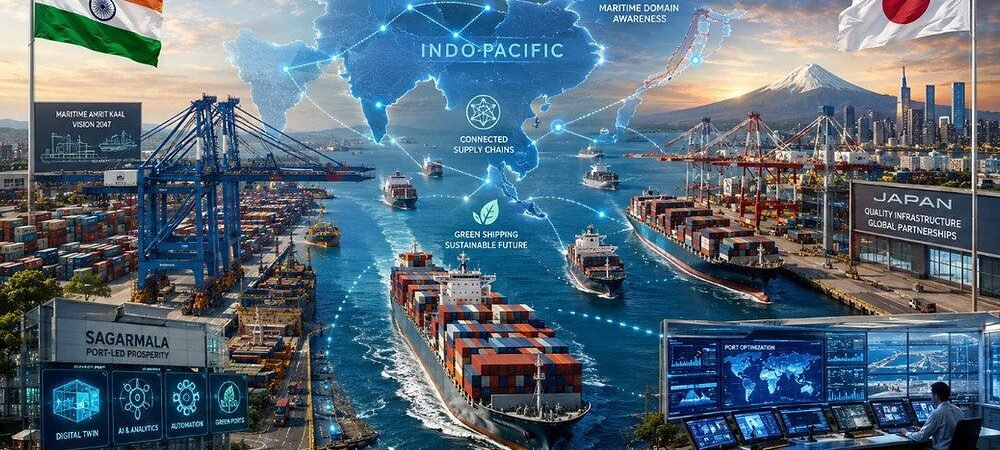
- India–Japan defence cooperation, including access to Indian firing ranges for Japanese Self-Defence Forces.
- Prime Minister’s criticism of Indian industry over wages, employment, manufacturing and export competitiveness.
- Delhi’s Ehsaas 2026 policy for student mental health and well-being.
- Cyclone Akvan’s impact and disaster preparedness along India’s eastern coast.
I will organise the newspaper into a subject-wise UPSC study resource, distinguishing the newspaper’s reporting from relevant constitutional, legal and policy background.
I. Polity and Governance
1. Electoral-roll revision: Supreme Court asks for verification of fabricated Form 7 applications
News: The Supreme Court directed authorities to investigate allegations that fabricated Form 7 applications were submitted to delete genuine voters from electoral rolls in Delhi’s Mustafabad Assembly Constituency during the ongoing Special Intensive Revision (SIR).
- Congress leader Ali Mehdi alleged that a substantial number of applications seeking deletion of voters were fabricated.
- The petition stated that people listed for deletion on grounds such as death, absence or permanent shifting were actually alive and residing at their registered addresses.
- Of 37 applications examined by electoral authorities, 36 were reportedly found to be false or fabricated.
- The Court urged the complainant to approach the jurisdictional magistrate if the police refused to register an FIR and directed authorities to verify the allegations and take remedial measures.
Understanding the electoral forms
| Form | Purpose |
|---|---|
| Form 6 | Application for inclusion of a name in the electoral roll |
| Form 7 | Objection to inclusion of a name or application for deletion |
| Form 8 | Correction of entries, change of residence and other specified modifications |
Constitutional and legal significance
- Article 324: Superintendence, direction and control of elections vested in the Election Commission of India.
- Article 326: Elections to the Lok Sabha and State Legislative Assemblies are based on adult suffrage.
- Representation of the People Act, 1950: Governs electoral-roll preparation and revision.
- Registration of Electors Rules, 1960: Prescribes procedures for inclusion, deletion and correction of electoral entries.
Issues for analysis
- Electoral-roll purification must not become a mechanism for exclusion of eligible voters.
- Fabricated objections can undermine the principle of universal adult franchise.
- Voter deletion requires procedural fairness, verification and an effective opportunity to respond.
- Digital and physical records must be auditable, and responsibility for fraudulent applications must be fixed.
UPSC relevance: GS-II – Constitutional bodies, electoral reforms, Election Commission, democratic accountability.
2. Special Intensive Revision: Corrective measures and continuing concerns
An editorial in the newspaper examines the Election Commission’s corrective measures following the SIR and the subsequent Special Summary Revision (SSR).
Important figures reported:
- Around 74 lakh names were added during the SSR in 13 States.
- The electorate in those States had declined from 49.61 crore to 45.22 crore after the SIR and subsequently increased to 45.96 crore.
- Draft deletions in Phase 3 averaged 17%, reaching 32.8% in Delhi.
- The Election Commission has directed personal cross-verification by Electoral Registration Officers where deletions exceed 2% of a polling station’s electorate.
The editorial highlights the Supreme Court’s October 28 observation that forcing existing voters whose names were deleted to re-enrol through Form 6, meant for new voters, was an error.
The Election Commission subsequently allowed certain deleted electors to submit enumeration forms or Form 8, with the possibility of restoring their old EPIC numbers.
Analytical concerns
- Whether the corrective measures cover all affected voters.
- Whether documentation requirements create barriers for migrant and marginalised populations.
- Whether the process sufficiently protects voters who have shifted between States.
- Whether deletion procedures are transparent and consistent with the principles of natural justice.
Way forward: Door-to-door verification, accessible correction procedures, personal notice before deletion, transparent publication of reasons and independent scrutiny of unusually high deletion rates.
Editorial perspective: The newspaper’s editorial argues that the corrective measures do not resolve all structural concerns associated with the SIR. This is an editorial assessment, not a judicial finding.
3. Delhi’s Ehsaas 2026 policy: Student mental health and well-being
The Delhi government launched the Ehsaas 2026 Mental Health and Well-Being Policy for schools and higher educational institutions.
Key provisions:
- One counsellor for every 500 students.
- Helplines and mental-health support services.
- District well-being centres.
- Psychological assessments, therapeutic interventions and psychiatric consultations.
- Training for teachers, parents, principals and support staff to identify early behavioural changes.
The policy rests on four pillars:
- Whole-institution approach to mental health.
- Preventive care through early identification and resilience-building.
- Institutional accountability through staff training.
- Rights-based support protecting dignity, privacy and autonomy.
UPSC analysis
Student mental health should be understood as a public-policy and educational-governance issue, not merely an individual problem. Academic pressure, examination competition, social-media exposure, bullying and family expectations can affect psychological well-being.
A comprehensive policy should combine:
- School-level counselling.
- Professional referral systems.
- Mental-health literacy.
- Teacher training.
- Confidentiality and protection from stigma.
- Accessible services for students from disadvantaged backgrounds.
Relevance: GS-II – Education, health, vulnerable sections; GS-IV – Emotional intelligence, empathy and compassion.
4. Telangana: Water-sharing controversy between Telangana and Andhra Pradesh
Telangana Chief Minister A. Revanth Reddy rejected allegations by the Bharat Rashtra Samithi that his government was allowing Andhra Pradesh to draw Telangana’s water improperly from the Nagarjunasagar and Srisailam projects.
The Chief Minister was speaking at Siddipet after launching the Indiramma Kutumba Jeevita Bima scheme, which provides insurance coverage of ₹5 lakh to one crore families, according to the newspaper.
Why this matters
Inter-State river-water disputes are not merely political disagreements. They involve:
- Equitable distribution of river water.
- Irrigation requirements and agricultural livelihoods.
- Drinking-water security.
- Hydropower generation.
- Federal coordination and dispute-resolution mechanisms.
Constitutional framework
- Article 262: Parliament may provide for adjudication of disputes relating to inter-State river waters.
- Entry 17, State List: Water, subject to Entry 56 of the Union List.
- Entry 56, Union List: Regulation and development of inter-State rivers and river valleys to the extent declared by Parliament to be expedient in the public interest.
- Inter-State River Water Disputes Act, 1956: Provides for adjudication of inter-State river-water disputes.
Mains perspective: Political allegations should be addressed through transparent water accounting, project-level data, established agreements, basin-level planning and institutional dispute resolution.
5. Other governance developments
- Delhi councillor disqualified: A Delhi court set aside the 2022 MCD election victory of an AAP councillor for concealing a criminal conviction in nomination papers. The case raises issues of candidate disclosure, electoral integrity and corrupt practices.
- Punjab Civil Services recruitment: The Punjab and Haryana High Court stayed a recruitment process following allegations of irregularities in the selection conducted by the Punjab Public Service Commission. The case illustrates the importance of transparency and fairness in public recruitment.
- Bar Council of India advisory: Law aspirants were cautioned against enrolling in unverified colleges. Students were advised to check official BCI approvals and university affiliation records.
- Basava Mantapa: The Karnataka Cabinet decided to confiscate copies of a book following complaints that it distorted Basavanna’s teachings. This raises questions concerning freedom of expression, cultural sensitivities and the limits of State intervention.
th.th_delhi.20_11_2026.pdf
II. International Relations
6. U.S.–China–Russia trilateral summit at Shenzhen
News: The leaders of the United States, China and Russia held a trilateral summit in Shenzhen, China. The meeting produced a joint declaration titled China-Russia-U.S. Heads of State Declaration toward Peace.
The summit addressed broad questions of international security, although it did not produce substantive breakthroughs on the Ukraine war, the Iran crisis or other major conflicts.
Major outcomes
- Agreement to initiate dialogue on reducing nuclear risks.
- Reaffirmation that nuclear war cannot be won and must never be fought.
- Recognition of food and energy security as areas of common concern.
- Emphasis on sovereignty and territorial integrity.
- A commitment to avoid confrontation among major powers.
Chinese President Xi Jinping referred to the Thucydides Trap, the proposition that rivalry between an established power and a rising power can create conditions for conflict.
Understanding the Thucydides Trap
The concept is associated with the ancient Greek historian Thucydides and is used in contemporary international-relations analysis to describe the danger of conflict when a rising power challenges an established power.
In the contemporary context, it is often applied to the strategic competition between the United States and China.
Why is the summit important?
- The United States, China and Russia are major nuclear powers.
- Their strategic decisions influence global security architecture.
- Cooperation among them can reduce the risk of nuclear escalation.
- Their competition affects global trade, technology supply chains and energy markets.
- The summit demonstrates the importance of major-power diplomacy even when substantive agreements remain limited.
Implications for India
- India must maintain strategic autonomy while managing relations with all three powers.
- Greater coordination among the three countries could affect the Indo-Pacific balance.
- Any agreement concerning nuclear weapons, energy or Ukraine could have consequences for India’s strategic environment.
- India must continue strengthening its own defence capabilities and diversified diplomatic partnerships.
UPSC relevance: GS-II – International relations, global institutions, nuclear diplomacy, strategic autonomy.
7. International Court of Justice: Myanmar responsible for Rohingya genocide
Fire Sweeps Through Rohingya Refugee Camp In Southern Bangladesh | WVTF
News: The International Court of Justice (ICJ) ruled, by a 9–6 majority, that Myanmar committed genocide against the Rohingya minority in northern Rakhine State during the 2017 military operation.
The Court found that Myanmar’s security forces had killed thousands of Rohingya civilians, perpetrated widespread sexual violence, committed extreme violence against children and attacked people attempting to flee.
The Court also ordered Myanmar to:
- Facilitate the safe, voluntary and dignified return of Rohingya refugees.
- Investigate and prosecute individuals responsible for genocidal acts.
- Pay compensation, with the amount to be determined in subsequent proceedings.
Background: The Rohingya crisis
The Rohingya are a predominantly Muslim minority community concentrated in Myanmar’s Rakhine State. They have faced long-standing discrimination, restrictions on citizenship and movement, and violence.
The 2017 military operation triggered a mass exodus of Rohingya people, particularly into neighbouring Bangladesh.
What is genocide?
The Convention on the Prevention and Punishment of the Crime of Genocide, 1948 defines genocide through specified acts committed with the intent to destroy, in whole or in part, a national, ethnical, racial or religious group.
The prohibited acts include:
- Killing members of the group.
- Causing serious bodily or mental harm.
- Deliberately inflicting conditions of life calculated to bring about physical destruction.
- Imposing measures intended to prevent births.
- Forcibly transferring children of the group to another group.
ICJ: Important institutional facts
| Aspect | Details |
|---|---|
| Established | 1945 |
| Principal seat | The Hague, Netherlands |
| Status | Principal judicial organ of the United Nations |
| Jurisdiction | Disputes between States and advisory opinions |
| Judges | 15 judges |
| Parties in contentious cases | States |
Important distinction: ICJ and ICC
| International Court of Justice | International Criminal Court |
|---|---|
| Principal judicial organ of the UN | Independent international criminal court |
| Deals primarily with disputes between States | Prosecutes individuals |
| Issues judgments in contentious cases and advisory opinions | Tries individuals for specified international crimes |
| Based on the UN Charter and ICJ Statute | Established under the Rome Statute |
Limitations of enforcement
The ICJ’s judgments are binding on the parties to a contentious case. However, the Court does not possess its own enforcement machinery. Under Article 94 of the UN Charter, a party may approach the UN Security Council if another party fails to comply.
Implications
- Reinforces the importance of international accountability.
- Strengthens the legal framework against genocide.
- Highlights the protection of minority communities and displaced populations.
- Raises questions about the enforcement capacity of international institutions.
UPSC relevance: GS-II – International organisations, human rights, refugees, international law.
8. India–Japan defence and strategic cooperation
India and Japan held their 2+2 Foreign and Defence Ministers’ Dialogue in Tokyo.
The dialogue resulted in several important developments.
Major developments
- Japan’s Self-Defence Forces will, for the first time, be permitted to use Indian firing ranges for live-fire training, including exercises involving surface-to-ship missiles.
- Both sides discussed the proposed transfer of Japan’s UNICORN naval radar system to India.
- They agreed to deepen information-sharing arrangements between the Japanese Maritime Self-Defence Force and the Indian Navy.
- Cooperation in mine-countermeasure capabilities and naval shipbuilding was discussed.
- Both countries agreed to expand bilateral and multilateral military exercises.
- A dialogue and tabletop exercise involving consular authorities will address evacuation of nationals during emergencies.
What is a 2+2 dialogue?
It is a diplomatic mechanism involving the Foreign Affairs and Defence Ministers of two countries. It enables the two governments to discuss diplomatic, security and defence issues together.
Significance for India
- Strengthening India’s Indo-Pacific partnerships.
- Enhancing maritime domain awareness.
- Improving defence interoperability.
- Promoting defence technology cooperation.
- Supporting a rules-based maritime order.
- Strengthening cooperation in the context of China’s growing regional influence.
Related frameworks
- QUAD: India, Japan, Australia and the United States.
- Malabar Exercise: Multilateral naval exercise involving participating Indo-Pacific partners.
- Indo-Pacific Oceans Initiative: India’s framework for cooperation on maritime security and sustainable use of the oceans.
- Act East Policy: India’s policy for deeper engagement with Southeast and East Asia.
Mains angle: India–Japan relations are evolving from economic and development cooperation into a broader strategic partnership encompassing defence, technology, supply-chain resilience and maritime security.
9. Other international developments
- Japan–Russia dialogue: Japanese Prime Minister Sanae Takaichi and Russian President Vladimir Putin agreed to maintain communication, despite strained relations and a long-standing territorial dispute.
- Ukraine conflict: A Ukrainian aerial attack on the Kerch Bridge disrupted rail traffic linking Russia to Crimea.
- Gaza: Israel’s military said its ground operation in central Gaza had ended, despite the existence of a U.S.-brokered ceasefire.
- Pakistan–Afghanistan border region: Pakistan’s military reported killing 22 militants in raids in the northwest. Its allegation that the militants were backed by India should be treated as a claim by the Pakistani military, not as an independently established fact.
th.th_delhi.20_11_2026.pdf
III. Indian Economy
10. Prime Minister criticises industry over wages, employment and manufacturing
News: Addressing the annual meeting of the Federation of Indian Chambers of Commerce and Industry (FICCI), Prime Minister Narendra Modi criticised Indian industry for inadequate progress in manufacturing, employment generation and wage growth.
The concerns highlighted included:
- Insufficient expansion of employment.
- Limited increases in employee salaries.
- Failure to improve the quality of products sold in the domestic market.
- A persistent distinction between export-quality products and products supplied to Indian consumers.
- Inadequate preparation to exploit opportunities arising from Free Trade Agreements.
- Insufficient progress in achieving the objectives of Make in India.
The Prime Minister also referred to reductions in corporate taxation and income-tax relief, questioning whether industry had translated these benefits into greater investment, employment and wages.
Economic concepts involved
A. Manufacturing-led growth
Manufacturing can support economic development through:
- Employment generation.
- Productivity improvement.
- Technological upgrading.
- Export diversification.
- Development of ancillary industries.
- Greater integration into global value chains.
B. Employment elasticity of growth
Employment elasticity measures the responsiveness of employment to changes in economic output.
\[ \text{Employment Elasticity} = \frac{\%\text{ change in employment}} {\%\text{ change in GDP}} \]
A major policy challenge for India is ensuring that economic growth translates into adequate employment opportunities.
C. Quality competitiveness
Domestic manufacturers must improve product quality, standards, design, innovation and reliability. A large domestic market should not be treated as a captive market in which consumers have limited alternatives.
D. Free Trade Agreements
FTAs reduce or eliminate trade barriers between participating countries. They can provide access to larger markets, but domestic firms need:
- International quality standards.
- Competitive pricing.
- Efficient logistics.
- Better market intelligence.
- Export financing.
- Technological upgrading.
Way forward
- Strengthen labour-intensive manufacturing.
- Improve vocational and technical skills.
- Promote MSME productivity and technology adoption.
- Expand research and development.
- Improve logistics and infrastructure.
- Ensure that trade agreements translate into actual export opportunities.
- Encourage wage growth alongside productivity growth.
UPSC relevance: GS-III – Indian economy, industrial policy, employment, investment and external trade.
11. Artificial intelligence, investment and the question of demand-led growth
The newspaper carries an important economic analysis of whether the rapid expansion of artificial intelligence will generate sustainable economic growth.
Investment in AI-related equipment has increased approximately 3.5 times since 2021, much faster than GDP, according to the article.
The central question is whether AI-driven investment can generate sufficient demand to sustain economic expansion.
Two competing perspectives
The article discusses the contrasting economic arguments associated with:
- Mikhail Tugan-Baranovsky: Machines can produce machines, creating a self-reinforcing process of capital accumulation and investment.
- Rosa Luxemburg: Expansion of production cannot be understood independently of the availability of markets and effective demand.
The problem of effective demand
Investment in AI infrastructure can increase productive capacity. However, if productivity gains do not translate into higher incomes, employment or consumption, demand may fail to keep pace with the expansion of productive capacity.
This raises a fundamental macroeconomic question:
Can an economy sustain growth through investment alone, or must investment be supported by adequate consumption and effective demand?
Hyman Minsky and financial instability
The article also discusses the risk of Ponzi finance, a concept associated with economist Hyman Minsky.
In a highly leveraged situation:
- Firms borrow to finance investment.
- Interest rates rise or expected returns decline.
- Firms struggle to meet interest payments.
- They borrow further to service earlier debt.
- Financial fragility increases, potentially leading to defaults and bankruptcies.
The article uses the 2008 global financial crisis as an illustration of the dangers of excessive leverage and financial instability.
UPSC analytical dimensions
- AI and labour productivity.
- Automation and employment displacement.
- Capital-intensive versus labour-intensive growth.
- Income distribution.
- Effective demand.
- Financial stability and corporate leverage.
- The relationship between technological progress and inclusive development.
12. EPFO approves Systematic Withdrawal Plan for retirement savings
Important policy development
The Central Board of Trustees of the Employees’ Provident Fund Organisation approved a Systematic Withdrawal Plan (SWP) for EPF members.
The objective is to allow retiring members to receive periodic payments from their accumulated provident-fund savings rather than withdrawing the entire corpus at once.
Key provisions
| Feature | Approved change |
|---|---|
| Withdrawal mechanism | Periodic withdrawals |
| Frequency | Monthly, quarterly or half-yearly |
| Minimum PF balance requirement | Reduced from 25% to 10% |
| Waiting period for final withdrawal | Reduced from 12 months to 2 months |
| Nature of SWP | Voluntary |
| Extension | May be extended to eligible family members/beneficiaries |
The remaining corpus will continue to earn returns.
The Ministry indicated that the proposal may also support wider social-security coverage for gig and platform workers.
Other EPFO decisions
- Amendment of the Employees’ Deposit Linked Insurance Scheme to facilitate settlement of pending and expired exemption cases.
- A six-month window for renewal of certain exemptions.
- In-principle approval for investment of up to 3% of fresh accretion in eligible Alternative Investment Funds, within the existing overall investment ceiling and initially through government-backed entities.
Understanding EPF
The Employees’ Provident Fund is a retirement savings mechanism for eligible employees. It provides long-term savings through contributions by employees and employers.
Why is the SWP significant?
- Helps retirees obtain a regular stream of income.
- Reduces the need to reinvest a large lump sum immediately.
- Provides flexibility in managing retirement savings.
- Can improve financial planning after retirement.
Concerns and questions
- How will withdrawals affect the long-term adequacy of retirement savings?
- What safeguards will protect members from exhausting their corpus prematurely?
- How will the tax treatment of periodic withdrawals be structured?
- How can social-security coverage be extended to informal, gig and platform workers?
UPSC relevance: GS-III – Social security, financial inclusion, labour welfare and retirement planning.
13. New Pollution Under Control certificate validity rules
The Ministry of Road Transport and Highways revised the validity of Pollution Under Control (PUC) certificates under the Central Motor Vehicles Rules, 1989.
The revised framework links certificate validity to the vehicle’s emission standard and age.
| Vehicle category | Validity |
|---|---|
| BS-I, BS-II and BS-III | 3 months |
| BS-IV | 6 months |
| BS-VI non-transport, up to 6 years old | 3 years |
| BS-VI non-transport, above 6 years up to 10 years | 1 year |
| BS-VI non-transport, above 10 years | 6 months |
| BS-VI transport, up to 6 years old | 2 years |
| BS-VI transport, above 6 years up to 10 years | 1 year |
| BS-VI transport, above 10 years | 6 months |
Significance
- Links compliance requirements with vehicle age and emission technology.
- Reduces repetitive testing for certain newer vehicles.
- Retains more frequent testing for older vehicles.
- Raises the importance of effective monitoring and enforcement.
UPSC relevance: GS-III – Environmental regulation, vehicular pollution and sustainable transport.
14. Maharashtra drought and agricultural distress
The Maharashtra Governor visited drought-affected areas in Latur district and called for coordinated efforts to address the crisis.
The State government declared 310 of 358 talukas drought-affected.
The State indicated that it would provide further assistance to farmers and revise its compensation proposal following changes in central compensation rates.
The State also warned of action against microfinance companies facing complaints over loan recovery from drought-affected farmers.
Analytical issues
- Rainfall variability and agricultural vulnerability.
- Dependence on groundwater and irrigation infrastructure.
- Crop insurance and compensation.
- Indebtedness and distress among small and marginal farmers.
- Need for drought-resilient cropping patterns.
Way forward: Watershed development, micro-irrigation, crop diversification, drought-resistant seeds, local water budgeting, improved agricultural extension and timely compensation.
15. Other economic developments
- EPFO and Reliance Capital: The newspaper reports that the EPFO has been unable to pursue further legal recovery of the remaining ₹1,800 crore of workers’ money from Reliance Capital, in view of the resolution plan and relevant judicial decisions.
- India’s manufacturing challenge: The FICCI discussion reinforces the need to move beyond production incentives towards productivity, quality, innovation and employment generation.
- Labour Codes: The newspaper examines retrenchment, severance pay and social-security protection as India approaches the first anniversary of implementation of the four Labour Codes on November 21.
th.th_delhi.20_11_2026.pdf
IV. Environment, Geography and Disaster Management
16. Cyclone Akvan: Odisha shifts nearly three lakh people
People rushing to relief camps in Kendrapara
News: Odisha prepared for the severe cyclonic storm Akvan, which was forecast in the newspaper’s November 20 report to cross the State’s coast near Gopalpur around noon, with sustained wind speeds of 90–100 kmph and gusts up to 110 kmph.
The administration reported the following preparedness measures:
- Approximately 2.98 lakh people shifted from more than 2,000 locations.
- 60 Odisha Disaster Rapid Action Force units deployed.
- 14 National Disaster Response Force units positioned.
- 221 State fire-service teams deployed.
- 4,200 pregnant women relocated to safer places.
- Ghat roads connecting vulnerable districts barricaded due to the possibility of landslides.
- 41 train services cancelled by East Coast Railway.
- 19 train services cancelled by South Eastern Railway.
Ganjam district accounted for the largest evacuation, with around 1.38 lakh people shifted. Gajapati and Kandhamal also undertook large-scale evacuations.
Note: These are the forecasts and preparedness figures reported in the newspaper on November 20. They should not be interpreted as a confirmed account of the cyclone’s eventual landfall or actual damage.
Why is Odisha vulnerable to cyclones?
- Long coastline along the Bay of Bengal.
- Exposure to tropical cyclones originating over the Bay of Bengal.
- Low-lying coastal plains.
- Storm surges and coastal inundation.
- River flooding and drainage congestion.
- Landslides in hilly areas during intense rainfall.
Understanding cyclone-related hazards
| Hazard | Impact |
|---|---|
| High-velocity winds | Damage to houses, power lines and infrastructure |
| Storm surge | Coastal inundation and saline-water intrusion |
| Heavy rainfall | Flooding and waterlogging |
| Landslides | Damage to settlements and transport routes |
| Coastal erosion | Loss of land and damage to ecosystems |
Disaster-management framework
The response illustrates the importance of the National Disaster Management Authority (NDMA), State Disaster Management Authorities, NDRF, State disaster-response forces, district administrations and local communities.
The Disaster Management Act, 2005 provides the institutional framework for disaster preparedness, mitigation, response and recovery.
Way forward
- Strengthen cyclone-resistant housing and public infrastructure.
- Improve last-mile early-warning dissemination.
- Maintain evacuation shelters with food, water, sanitation and medical support.
- Protect mangroves and coastal ecosystems.
- Improve disaster-resilient power, telecom and transport networks.
- Integrate local communities into preparedness and response planning.
UPSC relevance: GS-I – Climatology; GS-III – Disaster management, coastal vulnerability and climate resilience.
17. E-waste management: Wayanad moves towards a model district
Wayanad in Kerala was preparing to become India’s first district officially declared e-waste-free, with the declaration scheduled for November 27.
The district had collected 97.26 tonnes of electronic waste through coordinated efforts.
| Source | E-waste collected |
|---|---|
| 26 local self-government institutions | 38.46 tonnes |
| Government offices and schools | 58.80 tonnes |
| Total | 97.26 tonnes |
The initiative involved the Suchitwa Mission, Clean Kerala Company and Haritha Karma Sena.
What is e-waste?
Electronic waste refers to discarded electrical and electronic equipment, including computers, mobile phones, televisions, batteries and household appliances.
Environmental concerns
- Lead, mercury, cadmium and other hazardous substances.
- Contamination of soil and groundwater.
- Occupational health risks in informal recycling.
- Air pollution from unsafe burning and dismantling.
- Loss of valuable recoverable materials.
India’s regulatory framework
The E-Waste (Management) Rules, 2022 introduced an Extended Producer Responsibility framework for specified electrical and electronic equipment.
Extended Producer Responsibility (EPR) requires producers to take responsibility for the environmentally sound management of products after they become waste, according to applicable rules.
Way forward
- Formalise collection and recycling systems.
- Strengthen producer responsibility.
- Improve consumer awareness and collection infrastructure.
- Promote repair, refurbishment and reuse.
- Ensure occupational safety for waste workers.
- Encourage circular-economy models.
UPSC relevance: GS-III – Environmental pollution, waste management and circular economy.
18. Pollution regulation and sustainable mobility
The revised PUC certificate validity rules discussed under the Economy section are also relevant to environmental governance.
The important policy question is whether differentiated testing intervals can balance administrative convenience with the need for reliable pollution monitoring.
A longer certificate validity period should not weaken actual emissions surveillance. Periodic testing, automated inspection facilities, transparent databases and effective enforcement remain essential.
th.th_delhi.20_11_2026.pdf
V. Social Justice and Society
19. Inter-caste marriages and honour-based violence: The Kolhapur example
Kolhapur Municipal Corporation
web.kolhapurcorporation.gov.in
A detailed report from Kolhapur examines the continuing social resistance faced by couples entering inter-caste marriages.
The report describes the murder of a priest who had solemnised an inter-caste marriage and the efforts of activists to protect couples facing threats from their families.
A safe house operated by the Sneha Adhar Foundation in Satara district has sheltered around 20 couples, according to the report.
The article also discusses the historical legacy of Rajrishi Chhatrapati Shahu Maharaj, who promoted inter-caste marriages and challenged caste hierarchies.
Historical background
- Shahu Maharaj was a major social reformer and ruler of the princely State of Kolhapur.
- He supported anti-caste reform and social justice.
- Mahatma Jyotirao Phule’s Satyashodhak Samaj, established in 1873, promoted social equality and opposed caste-based hierarchy.
- Dr. B.R. Ambedkar provided a constitutional and political foundation for the struggle against caste discrimination.
The report also refers to the Satyashodhak marriage tradition, which emphasises the consent and equality of the marrying couple rather than elaborate religious rituals.
Constitutional dimensions
| Constitutional provision | Significance |
|---|---|
| Article 14 | Equality before law and equal protection of laws |
| Article 15 | Prohibition of discrimination on specified grounds |
| Article 17 | Abolition of untouchability |
| Article 19 | Freedom of expression and association, subject to constitutional restrictions |
| Article 21 | Protection of life and personal liberty |
| Article 25 | Freedom of conscience and religion |
Judicial significance
The Supreme Court has repeatedly recognised that the choice of a life partner is an important aspect of individual liberty and autonomy.
The Shafin Jahan v. Asokan K.M. (2018) judgment is particularly relevant to the protection of an adult’s right to choose a partner.
Challenges
- Family and community pressure.
- Honour-based violence.
- Economic disinheritance and coercion.
- Social ostracism.
- Inadequate protection mechanisms.
- Lack of accessible safe houses and legal support.
Government measures
The report refers to financial incentives for inter-caste marriages, including:
- Maharashtra State assistance of ₹50,000.
- Union assistance of ₹2.5 lakh under the Dr. Ambedkar Scheme for Social Integration through Inter-Caste Marriages, as reported in the article.
Way forward
- Effective implementation of legal protections.
- Functional safe houses and protection officers.
- Prompt police response to threats.
- Legal aid and counselling.
- Social awareness and education.
- Protection of the couple’s property, inheritance and economic independence.
UPSC relevance: GS-I – Indian society, caste and social empowerment; GS-II – Fundamental Rights and social justice; GS-IV – Constitutional morality and individual autonomy.
20. Retrenchment, layoffs and social security under the Labour Codes
The newspaper carries an interview-based analysis of workers’ protection in the context of rising layoffs and the growing use of artificial intelligence.
It notes that India was approaching the first anniversary of implementation of the four Labour Codes on November 21.
Retrenchment and layoffs
The article highlights that retrenchment affects both blue-collar and white-collar workers. It also discusses the psychological and economic consequences of job loss.
The nature of employment contract is important in determining the protection available to a worker.
Four Labour Codes
| Labour Code | Broad subject |
|---|---|
| Code on Wages, 2019 | Wages, minimum wages and payment of wages |
| Industrial Relations Code, 2020 | Trade unions, industrial disputes and retrenchment |
| Code on Social Security, 2020 | Social-security benefits and coverage |
| Occupational Safety, Health and Working Conditions Code, 2020 | Workplace safety, health and working conditions |
Major policy questions
- Whether the new framework improves ease of doing business without weakening workers’ rights.
- Whether retrenched workers receive adequate compensation.
- Whether social-security coverage extends to contract, gig and platform workers.
- Whether industrial dispute resolution is accessible and efficient.
- Whether labour-market flexibility is balanced with employment security.
AI and the future of work
The expansion of AI and automation creates new concerns about employment displacement, especially in routine and repetitive occupations.
A forward-looking labour policy should include:
- Reskilling and lifelong learning.
- Employment-transition support.
- Stronger social-security systems.
- Portable benefits for migrant and gig workers.
- Transparent retrenchment procedures.
- Accessible labour-dispute resolution.
UPSC relevance: GS-II – Government policies and welfare; GS-III – Employment, technology and inclusive growth.
21. Other social-sector developments
A. Mental health in education
The Ehsaas 2026 policy discussed earlier is relevant to the broader question of student welfare and the right to a supportive educational environment.
B. Bar Council warning
The Bar Council of India cautioned law aspirants against unverified colleges. This highlights the importance of quality assurance, accreditation and regulation in higher education.
C. Healthcare affordability
The debate over reuse of single-use medical devices, discussed in the Science and Technology section, has direct implications for equitable access to healthcare.
th.th_delhi.20_11_2026.pdf
VI. Science and Technology and Health
22. Single-use medical devices: Patient safety versus healthcare affordability
A major health-policy article examines the Directorate-General of Health Services’ October 16 directive banning the reuse of devices labelled for single use in public and private healthcare facilities.
The directive was based on concerns about:
- Infection risks.
- Breaches of applicable regulations.
- Unsafe reprocessing.
- Instances in which patients were allegedly charged the full price of new devices even when reused devices were supplied.
The article argues that while unsafe reuse must be prevented, a blanket ban also raises questions about healthcare affordability.
What is medical-device reprocessing?
Medical-device reprocessing involves cleaning, disinfection, sterilisation, inspection and validation of a device to establish whether it can safely be used again.
Importantly, sterilisation alone does not establish that a device is safe for reuse. A device may be sterile but mechanically weakened, damaged or contaminated in ways that ordinary cleaning does not address.
International regulatory approach
The article notes that:
- The United States Food and Drug Administration treats a reprocessor of single-use medical devices as a manufacturer, with corresponding regulatory responsibilities.
- Canada, Japan and the European Union have also developed frameworks for medical-device reprocessing.
Policy options for India
The article suggests a three-category approach:
| Category | Policy approach |
|---|---|
| Devices that must never be reused | Prohibit reprocessing |
| Devices that can be safely reprocessed | Permit under tested and regulated conditions |
| Devices for which evidence is inadequate | Require further research before permitting reuse |
Essential safeguards
- Approved reprocessing facilities.
- Validated cleaning and sterilisation procedures.
- A tested maximum number of reuse cycles.
- Unique identification and traceability.
- Mandatory reporting of device failures.
- Independent audits.
- Clear disclosure to patients about whether a device is new or reprocessed.
- Transparency regarding cost savings passed on to patients.
Broader significance
The issue reflects the challenge of balancing patient safety, technological innovation, affordability and regulatory accountability.
India also needs to strengthen domestic medical-device manufacturing and fund independent studies on safety, performance and value for money.
UPSC relevance: GS-II – Health policy and regulation; GS-III – Science and technology, indigenous manufacturing and innovation.
23. Retatrutide and knee osteoarthritis: Emerging evidence
The newspaper reports on two Phase-3 trials examining the potential of retatrutide, an experimental drug, in people with obesity and painful knee osteoarthritis.
A pooled analysis found that approximately two-thirds of participants receiving retatrutide experienced at least a 50% reduction in knee pain, compared with 38% in the placebo group.
Important qualifications
- The study involved adults without diabetes who had painful knee osteoarthritis and a BMI of at least 27.
- The newspaper notes that it remains uncertain whether the drug can slow or prevent the progression of osteoarthritis.
- The drug had not yet been approved by the U.S. FDA at the time of the report.
- The findings should not be interpreted as a recommendation for self-medication.
Understanding osteoarthritis
Osteoarthritis is a degenerative joint disease involving the breakdown of cartilage and changes in the underlying bone and surrounding tissues.
Common risk factors include:
- Increasing age.
- Obesity.
- Joint injury.
- Sedentary lifestyle.
- Repetitive mechanical stress.
Public-health relevance
The issue is important because obesity and musculoskeletal disorders contribute to disability, reduced productivity and healthcare expenditure.
24. Artificial intelligence and employment
The AI investment debate in the Economy section also has a science-and-technology dimension.
AI can improve productivity through automation, data processing, predictive analytics and decision support. However, it may also transform occupational structures and increase the risk of displacement in certain job categories.
The central policy challenge is to ensure that technological progress is accompanied by:
- Reskilling.
- Access to digital education.
- Worker protection.
- Competition and innovation.
- Data protection.
- Equitable distribution of productivity gains.
th.th_delhi.20_11_2026.pdf
VII. Internal Security and Law and Order
25. Electoral intimidation and protection of democratic participation
The allegations concerning fabricated Form 7 applications and the complaints of harassment by women journalists during SIR-related protests raise wider questions about the protection of democratic participation.
Important dimensions include:
- Security of electoral processes.
- Protection of citizens exercising democratic rights.
- Police accountability.
- Preservation of CCTV and digital evidence.
- Prompt registration and investigation of cognisable offences.
- Protection of journalists and vulnerable complainants.
26. Other law-and-order developments
- Kerala murder case: A CBI court convicted 13 accused and acquitted 18 others, including CPI(M) leaders P. Jayarajan and T.V. Rajesh, in the 2012 murder of IUML activist Ariyil Shukkoor. Seven convicts were sentenced to life imprisonment.
- Delhi gang-rape case: A court took cognisance of the chargesheet in the September gang rape of a 17-year-old girl at Astha Kunj Park. The case is relevant to investigation, evidence collection and protection of children under the POCSO framework.
- Hyderabad: A kidnapped two-and-a-half-year-old girl from Ameenpur was rescued within 12 hours, highlighting the importance of coordinated police response and rapid investigation.
- Delhi: A man died after an alleged assault following a confrontation at a residence in Madhu Vihar. The case raises issues relating to social-media interactions, personal safety and violence.
- West Bengal: A probe was ordered into alleged violence at Medical College, Kolkata, following a confrontation involving junior doctors and senior faculty.
th.th_delhi.20_11_2026.pdf
VIII. Important Prelims Facts
The following table consolidates important factual points from the newspaper for quick revision.
| Topic | Important fact |
|---|---|
| Form 6 | Application for inclusion of name in electoral roll |
| Form 7 | Objection to inclusion or request for deletion |
| Form 8 | Correction of entries and change of residence |
| Article 324 | Election Commission’s constitutional authority |
| Article 326 | Adult suffrage |
| RPA, 1950 | Preparation and revision of electoral rolls |
| Registration of Electors Rules, 1960 | Procedures for electoral-roll changes |
| ICJ | Principal judicial organ of the UN |
| ICJ headquarters | The Hague, Netherlands |
| ICJ judges | 15 |
| Genocide Convention | Adopted in 1948 |
| ICC | Established under the Rome Statute |
| Thucydides Trap | Risk of conflict between an established and a rising power |
| India–Japan 2+2 | Foreign and Defence Ministers of both countries |
| UNICORN | Japanese naval radar system |
| QUAD | India, Japan, Australia and the United States |
| EPFO | Employees’ Provident Fund Organisation |
| EPF | Employees’ Provident Fund |
| SWP | Systematic Withdrawal Plan |
| EPR | Extended Producer Responsibility |
| E-Waste Rules | E-Waste (Management) Rules, 2022 |
| PUC | Pollution Under Control certificate |
| BS-VI | Bharat Stage VI emission standards |
| Disaster Management Act | 2005 |
| NDRF | National Disaster Response Force |
| Employment elasticity | Responsiveness of employment to economic growth |
| Ponzi finance | Borrowing to meet interest or earlier debt obligations |
| Minsky | Economist associated with the Financial Instability Hypothesis |
| Labour Codes | Four codes consolidating major labour-law areas |
| Retrenchment | Termination of employment in specified circumstances under labour law |
| Satyashodhak Samaj | Founded by Jyotirao Phule in 1873 |
| Shahu Maharaj | Social reformer associated with anti-caste measures in Kolhapur |
| Article 21 | Protection of life and personal liberty |
| Retatrutide | Experimental drug studied for obesity and knee osteoarthritis |
| Osteoarthritis | Degenerative joint disease affecting joints and cartilage |
IX. UPSC Mains Practice Questions
GS-I: Indian Society and Geography
1. Despite constitutional safeguards and decades of social reform, caste continues to influence personal choices, marriage and social relations in India. Examine the causes and suggest measures to strengthen individual autonomy.
2. Honour-based violence represents a conflict between community norms and constitutional morality. Discuss.
3. Examine the geographical factors responsible for the vulnerability of India’s eastern coast to tropical cyclones. Discuss the importance of community-based disaster preparedness.
GS-II: Polity, Governance and International Relations
4. Electoral-roll revision is essential for ensuring free and fair elections. However, exclusion of eligible voters can undermine the legitimacy of the democratic process. Discuss the safeguards required.
5. Examine the constitutional and institutional responsibilities of the Election Commission of India in maintaining accurate electoral rolls.
6. Discuss the significance of the ICJ’s role in enforcing international law and protecting human rights. What are the limitations of its enforcement powers?
7. The Rohingya crisis illustrates the limitations of international humanitarian and human-rights mechanisms. Examine.
8. India–Japan relations have evolved from economic cooperation to a comprehensive strategic partnership. Analyse the significance of defence and maritime cooperation.
9. Examine the role of strategic autonomy in India’s engagement with competing major powers.
10. Discuss the importance of institutional mechanisms for resolving inter-State river-water disputes in India, with reference to the Telangana–Andhra Pradesh context.
11. Mental health should be treated as an integral component of educational governance. Discuss the institutional measures required to address mental-health challenges among students.
12. Examine the importance of transparency and accountability in public recruitment processes.
GS-III: Economy, Environment, Science and Technology
13. Economic growth does not automatically translate into adequate employment generation or wage growth. Examine the structural challenges facing India’s manufacturing sector.
14. Can investment-led growth sustain economic expansion in the absence of adequate effective demand? Discuss with reference to AI-driven investment.
15. Examine the implications of artificial intelligence for employment, productivity and income distribution in India.
16. Discuss the significance of the EPFO’s Systematic Withdrawal Plan in strengthening retirement security. What challenges remain in ensuring adequate social protection for informal and gig workers?
17. Explain the importance of Extended Producer Responsibility in managing electronic waste. Evaluate India’s regulatory approach.
18. Cyclone preparedness requires an integrated approach combining early warning, evacuation, resilient infrastructure and ecosystem protection. Discuss.
19. Examine the regulatory and ethical challenges associated with the reuse of single-use medical devices in India.
20. Discuss the importance of indigenous medical-device manufacturing for affordable and accessible healthcare.
GS-IV: Ethics, Integrity and Aptitude
21. Constitutional morality requires the State to protect individual choice even when such choices conflict with prevailing social customs. Discuss.
22. Examine the ethical responsibilities of private industry towards workers, consumers and society in the context of economic growth.
Case Study: Individual Autonomy and Social Pressure
An adult couple belonging to different caste communities approaches the district administration seeking protection after receiving threats from their families. Local community leaders oppose the marriage and exert pressure on the police not to intervene. The couple also faces threats of economic disinheritance.
As the District Magistrate:
- Identify the ethical issues involved.
- Explain the constitutional principles that should guide your response.
- Outline immediate protection measures.
- Suggest long-term institutional interventions to prevent similar incidents.
X. Priority Assessment for UPSC CSE 2027
Priority is based on the issue’s conceptual relevance, syllabus linkage and potential for Prelims and Mains questions.
| Priority | Topic | Relevant paper |
|---|---|---|
| Very high | ICJ ruling on Rohingya genocide | GS-II |
| Very high | SIR, Form 7 and electoral-roll integrity | GS-II |
| Very high | India–Japan defence cooperation | GS-II |
| Very high | AI investment, employment and effective demand | GS-III |
| Very high | Manufacturing, employment and wage growth | GS-III |
| Very high | Cyclone Akvan and disaster preparedness | GS-III |
| High | EPFO Systematic Withdrawal Plan | GS-II / GS-III |
| High | Inter-caste marriage and honour-based violence | GS-I / GS-II |
| High | Labour Codes and retrenchment protection | GS-II / GS-III |
| High | E-waste and circular economy | GS-III |
| High | Reuse of single-use medical devices | GS-II / GS-III |
| High | Inter-State river-water disputes | GS-II |
| High | Student mental health | GS-II |
| High | Drought and agricultural distress | GS-III |
| Moderate | PUC certificate validity | GS-III |
| Moderate | Retatrutide and osteoarthritis | GS-III |
| Moderate | Basava Mantapa controversy | GS-I / GS-II |