
The term “Extremists” refers to a faction within the Indian National Congress that emerged in the early 20th century as a response to the perceived slow progress and moderate methods of the early Congress leaders. Key figures among the Extremists included Bal Gangadhar Tilak, Bipin Chandra Pal, and Lala Lajpat Rai.
Ideology of Extremists:
- Swadeshi Movement:
- The Extremists strongly advocated for the Swadeshi Movement, urging Indians to boycott British goods and promote the use of indigenous products. This was seen as a means to foster economic self-sufficiency and weaken British economic control over India.
- Cultural Nationalism:
- Extremists were ardent proponents of cultural nationalism. They believed that a revival of Indian culture, heritage, and traditions was crucial for fostering a sense of national identity and unity. They sought to instill a sense of pride in Indian traditions.
- Opposition to Western Education:
- Some Extremists, particularly Tilak, criticized the Western education system as alienating Indians from their roots. They advocated for the promotion of Indian languages and the incorporation of indigenous knowledge in the education system.
- Assertive Stance on Self-Governance:
- Unlike the Moderates, the Extremists were more radical in their demand for self-governance. They pushed for complete independence from British rule and rejected the notion of incremental reforms as insufficient.
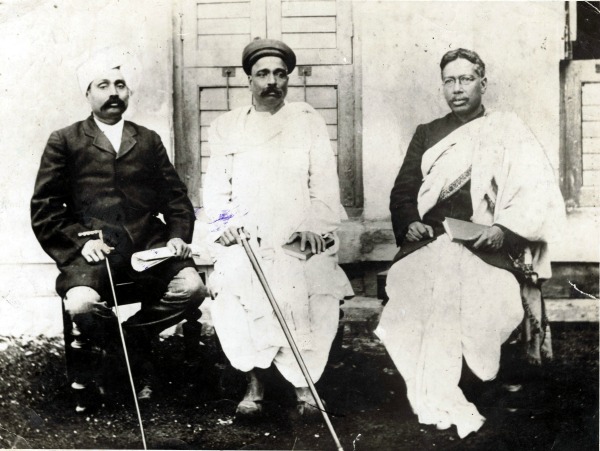
Methods of Extremists:
- Mass Mobilization:
- Extremists believed in the power of the masses and actively worked to mobilize them. They organized large-scale protests, rallies, and public meetings to create awareness and build support for their cause.
- Use of Vernacular Press:
- Extremists effectively utilized the vernacular press to communicate their ideas to a broader audience. Bal Gangadhar Tilak’s newspapers, Kesari (in Marathi) and Maratha (in English), played a crucial role in disseminating their ideology.
- Direct Action:
- Extremists were not averse to direct action and mass agitation. They believed in the use of forceful means to compel the British government to accede to their demands. Tilak, for instance, was involved in organizing mass protests and advocating for the use of legitimate force if necessary.
- Formation of All India Home Rule League:
- In 1916, Bal Gangadhar Tilak and Annie Besant founded the All India Home Rule League, which aimed at attaining self-rule for India. This league worked towards achieving political education among the masses and promoting the idea of Home Rule.
Legacy and Impact of Extremists:
- The Extremists, despite facing criticism, played a crucial role in shaping the trajectory of the independence movement. Their more assertive methods laid the groundwork for future movements and leaders who adopted forceful approaches.
- The legacy of the Extremists is evident in their contribution to instilling a strong sense of nationalism and fostering a spirit of resistance against colonial rule.
Transition to Gandhian Era:
- The Extremist phase paved the way for the Gandhian era. While the methods differed, the spirit of assertive nationalism and the focus on mass participation continued.
- The Extremists contributed to creating a fertile ground for the acceptance of more non-violent and inclusive methods later introduced by Mahatma Gandhi.
Role in Shaping National Identity:
- The Extremists significantly contributed to shaping India’s national identity by emphasizing cultural nationalism. Their efforts to revive and celebrate India’s cultural heritage influenced subsequent movements.
- Cultural pride became intertwined with the broader struggle for independence, creating a narrative of a united and culturally rich India.
The Extremists during the freedom struggle represented a phase characterized by radical approaches, mass mobilization, and a focus on immediate political reforms. Despite facing criticism for their methods, their contribution to shaping the nationalist movement and fostering a strong sense of Indian identity remains a significant part of India’s struggle for independence.