
SAMATA IAS ACADEMY | CURRENT AFFAIRS ANALYSIS | 6 NOVEMBER 2026
GS Paper III – Economy, Science & Technology
1. Introduction
The global competition for natural resources is undergoing a fundamental transformation. In the past, control over petroleum, natural gas and coal was central to energy security and geopolitical influence. Today, another category of natural resources is becoming increasingly important: critical minerals.
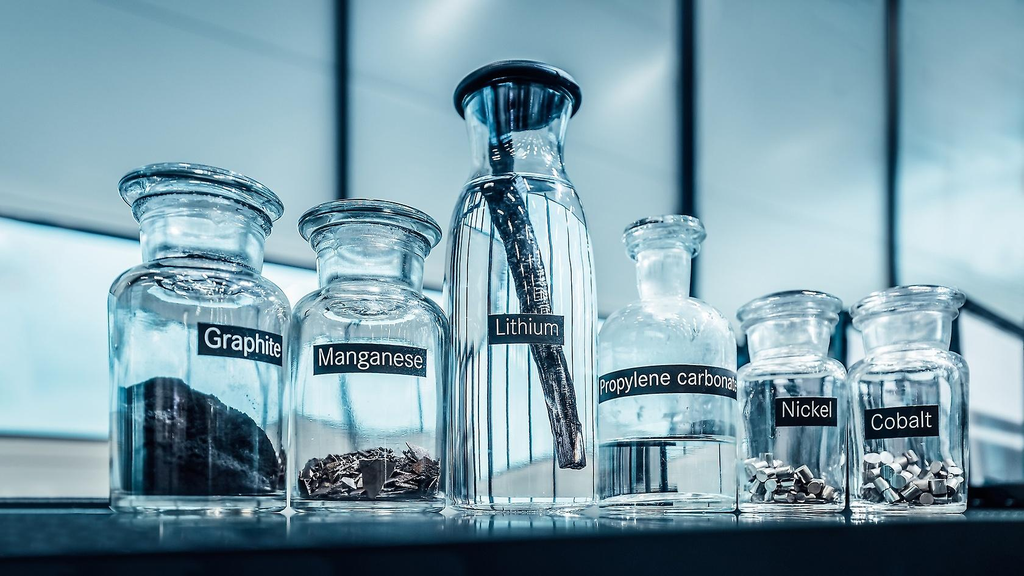
Lithium, cobalt, nickel, graphite, rare earth elements and several other minerals are indispensable for modern industrial development. They are used in electric vehicles, renewable energy technologies, semiconductors, telecommunications, advanced electronics, aerospace equipment and defence systems.
Consequently, access to these minerals is no longer merely a matter of industrial procurement. It has become an important component of economic security, technological sovereignty and national security.
India faces a significant structural challenge in this regard. Although the country possesses deposits of several strategically important minerals, its capabilities in exploration, extraction, beneficiation, refining and processing remain insufficient to meet the requirements of its rapidly expanding industrial economy.
On 4 November 2026, the Union Cabinet approved the ₹2,814 crore CAPEX Support Scheme to Promote Critical Mineral Processing. The scheme seeks to establish domestic processing capabilities for lithium and nickel, with cobalt recovery as a by-product of nickel processing. Press Information Bureau+1
This was followed by the launch of the ninth tranche of critical and strategic mineral block auctions and the third tranche of exploration licence auctions on 5 November 2026. Press Information Bureau
These developments highlight an important shift in India’s mineral policy: from securing access to mineral deposits towards building an integrated domestic mineral value chain.
The central question is whether India can develop the technological, industrial and institutional capabilities necessary to convert its mineral resources into strategic economic advantages.
2. Why in News?
Two important developments have brought critical minerals into focus.
A. CAPEX Support Scheme for Critical Mineral Processing
The Union Cabinet approved a scheme with a financial outlay of ₹2,814 crore for FY 2026–27 to FY 2030–31.
Its principal objective is to establish four domestic processing plants:
- Two lithium processing plants, each with a minimum capacity of 30 kilotonnes.
- Two nickel processing plants, each with a minimum capacity of 50 kilotonnes.
The scheme provides a 30% capital subsidy on eligible investment, subject to specified limits. It is expected to attract approximately ₹10,000 crore in processing investment. Press Information Bureau
B. Ninth Tranche of Critical Mineral Auctions
On 5 November 2026, the Ministry of Mines launched the ninth tranche of critical and strategic mineral block auctions, offering 20 mineral blocks.
It also launched the third tranche of exploration licence auctions.
An important feature of the latest reforms is the reduction in the minimum number of technically qualified bidders required for the second round of auction from three to two for Part D minerals. This is intended to improve auction outcomes and reduce the number of blocks remaining unsold. Press Information Bureau
Together, these developments represent efforts to address different stages of India’s critical mineral value chain: exploration, mining and processing.
3. What Are Critical Minerals?
3.1 Meaning
Critical minerals are minerals that are essential for the economic development, technological advancement and national security of a country, but whose supply is vulnerable to disruption.
A mineral is generally considered critical when it combines two characteristics:
- High economic or strategic importance: It is essential for important industrial, technological or defence applications.
- High supply risk: Its availability is vulnerable because of geographical concentration, import dependence, geopolitical restrictions, limited substitutes or supply-chain disruptions.
The classification of critical minerals is not universal. Different countries identify them according to their industrial structures, technological requirements and strategic priorities.
For example, a mineral may be critical for one country because of its dependence on imported supplies, while another country may possess abundant domestic reserves of that mineral.
3.2 Critical minerals identified by India
A committee constituted by the Ministry of Mines identified 30 minerals as critical for India in 2023. Of these, 24 were included in Part D of the First Schedule of the Mines and Minerals (Development and Regulation) Act, 1957. Press Information Bureau+1
Some important examples are:
| Mineral | Major applications |
|---|---|
| Lithium | Rechargeable batteries and electric vehicles |
| Cobalt | Battery cathodes and specialised alloys |
| Nickel | Stainless steel, batteries and industrial alloys |
| Graphite | Battery anodes, refractories and industrial applications |
| Rare Earth Elements | Permanent magnets, electronics and defence equipment |
| Gallium | Semiconductors, LEDs and advanced electronics |
| Germanium | Fibre optics, infrared optics and semiconductors |
| Tungsten | High-strength tools, defence and industrial applications |
| Vanadium | Speciality steel and vanadium redox-flow batteries |
| Titanium | Aerospace, defence and medical applications |
| Niobium | High-strength steel and superconducting materials |
| Tantalum | Electronic components and capacitors |
3.3 Why are they strategically important?
Their importance extends across multiple sectors.
EV & Energy Transition – Nexiom
Pilot Plant for Nd-Fe-B Magnet Manufacture at ARCI Hyderabad
SK Hynix eyes $10B US listing: what it means for AI chip race
8
A. Energy transition
Lithium, nickel, cobalt and graphite are used in several battery technologies. Rare earth elements are important for permanent magnets used in certain wind turbines and electric vehicle motors.
B. Electronics and telecommunications
Gallium, germanium and tantalum are used in semiconductor devices, optical fibre systems and electronic components.
C. Defence and aerospace
Titanium, tungsten, rare earth elements and other specialised minerals are used in aircraft, precision-guided systems, radar, communication equipment and advanced military technologies.
D. Industrial manufacturing
Nickel, chromium, vanadium, manganese and niobium are important for producing specialised steels, industrial equipment and high-performance alloys.
Thus, critical minerals influence the competitiveness of several strategic industries simultaneously.
4. Understanding the Critical Mineral Value Chain
An important aspect of India’s mineral strategy is that possessing mineral deposits does not automatically translate into industrial self-reliance.
The transformation of a mineral deposit into a usable industrial material involves several stages.
Stratégie Canadienne sur les minéraux critiques – Canada.ca
4.1 Exploration
Exploration involves identifying mineral deposits and assessing their geological characteristics, quantity, quality and commercial potential.
It includes:
- Geological mapping.
- Geochemical surveys.
- Geophysical investigations.
- Drilling and sampling.
- Resource estimation.
Exploration is the foundation of mineral development. Without reliable geological information, commercial mining investments become highly uncertain.
4.2 Mining and extraction
Once economically viable deposits are identified, minerals are extracted through mining operations.
Mining may involve:
- Open-cast mining.
- Underground mining.
- Extraction from brines.
- Other specialised extraction techniques.
Mining operations must comply with environmental regulations, safety requirements and rehabilitation obligations.
4.3 Beneficiation
Beneficiation refers to the process of improving the quality of extracted ore by separating valuable mineral components from unwanted materials.
It may involve:
- Crushing and grinding.
- Screening.
- Magnetic separation.
- Flotation.
- Gravity separation.
For example, the concentration of valuable mineral content in an ore can be increased before it is sent for further chemical processing.
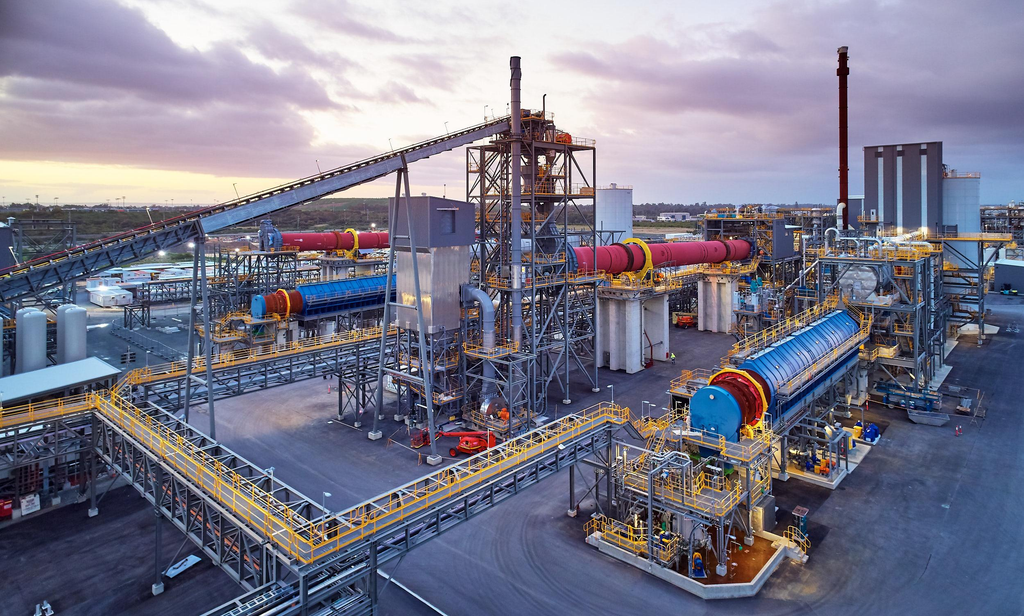
4.4 Processing and refining
This stage converts mineral concentrates or intermediate materials into usable high-purity products.
It may involve chemical treatment, leaching, solvent extraction, precipitation, purification and other specialised processes.
For example:
- Lithium-bearing materials can be processed into battery-grade lithium compounds.
- Nickel intermediates can be refined into high-purity nickel products.
- Cobalt may be recovered during nickel processing.
This is the stage where India faces an important industrial capability gap.
A country may import mineral ores or concentrates, but if it lacks domestic refining and processing capacity, much of the value addition and technological expertise remains outside its borders.
4.5 Manufacturing
Processed minerals become inputs for downstream industrial production.
Examples include:
- Battery cells.
- Permanent magnets.
- Semiconductor components.
- Speciality steel.
- Aerospace materials.
- Advanced electronic equipment.
4.6 Recycling and recovery
Critical minerals can also be recovered from:
- Discarded electronic equipment.
- Used lithium-ion batteries.
- End-of-life electric vehicles.
- Industrial scrap.
- Other mineral-bearing waste.
This creates a secondary supply chain and reduces dependence on primary mineral extraction.
The central policy challenge
India must strengthen every stage of the value chain rather than concentrate exclusively on mining.
A mining-centred strategy without adequate processing, manufacturing and recycling capabilities may continue to leave the country dependent on foreign suppliers.
5. Why Is Global Competition for Critical Minerals Increasing?
The growing importance of critical minerals is closely associated with three structural changes in the global economy.
5.1 Global energy transition
The transition from fossil fuels towards low-carbon technologies is increasing demand for several minerals.
Electric vehicles require battery materials, while wind turbines, solar technologies and electricity networks require specialised minerals and metals.
Consequently, energy security is increasingly linked with the security of mineral supply chains.
5.2 Technological competition
Advanced manufacturing increasingly depends on specialised materials.
Semiconductors, high-performance magnets, aerospace components and defence electronics require minerals with specific chemical and physical properties.
Control over the processing technologies and supply chains of these materials can provide countries with important industrial advantages.
5.3 Geopolitical concentration of supply chains
The global critical mineral industry is characterised by significant geographical concentration, particularly in processing and refining.
According to the International Energy Agency’s Global Critical Minerals Outlook 2025, the average market share of the three largest refining countries for key energy minerals increased from approximately 82% in 2020 to 86% in 2024. IEA+1
The IEA’s 2026 assessment also highlights continuing concentration in mineral refining, with the leading refining countries accounting for over three-quarters of growth in refined supply across key minerals during 2024–25. IEA+1
This concentration creates vulnerabilities.
For example, restrictions on the export of certain minerals, processing technologies or intermediate products can affect industries across several countries.
Critical mineral security has therefore become an important instrument of geopolitical and industrial policy.
6. India’s Critical Mineral Vulnerability
India’s challenge is not merely a shortage of mineral deposits. It also involves gaps in processing technologies, refining infrastructure, investment, technical expertise and access to overseas resources.
6.1 Import dependence
India depends substantially on imports for several critical mineral intermediates and high-purity materials.
This creates exposure to:
- International price fluctuations.
- Export restrictions.
- Geopolitical tensions.
- Shipping and logistics disruptions.
- Currency depreciation.
- Concentrated global processing capacity.
6.2 Limited domestic processing capacity
Commercial-scale processing requires specialised infrastructure, advanced technology and substantial investment.
India’s domestic capabilities remain relatively underdeveloped in several important mineral-processing segments.
The government has specifically identified lithium, nickel and cobalt processing as areas requiring greater domestic capacity. Press Information Bureau+1
6.3 Technological constraints
Mineral processing is not a simple extension of mining.
It requires sophisticated chemical engineering, metallurgy, process optimisation and environmental management.
Developing these capabilities requires sustained investment in:
- Research and development.
- Pilot plants.
- Process engineering.
- Skilled human resources.
- Industrial technology partnerships.
6.4 Limited access to overseas mineral assets
India’s domestic mineral deposits may not be sufficient to meet all its future requirements.
Therefore, overseas acquisition of mineral assets, international partnerships and diversified import arrangements are important elements of mineral security.
6.5 Environmental and social challenges
Critical mineral mining and processing can create environmental pressures.
These include:
- Land degradation.
- Water consumption.
- Tailings and hazardous waste.
- Chemical pollution.
- Biodiversity loss.
- Displacement and livelihood disruption.
The development of a domestic mineral industry must therefore be accompanied by stringent environmental safeguards.
7. The CAPEX Support Scheme: A Closer Examination
The recently approved scheme is particularly significant because it focuses on the processing stage of the mineral value chain.
7.1 Objectives
The scheme seeks to:
- Establish domestic lithium and nickel processing facilities.
- Increase value addition within India.
- Reduce dependence on imported high-purity mineral products.
- Strengthen downstream battery and advanced manufacturing industries.
- Improve the resilience of strategic supply chains.
- Generate employment and attract private investment.
7.2 Financial structure
| Particular | Lithium | Nickel |
|---|---|---|
| Number of plants | 2 | 2 |
| Minimum capacity per plant | 30 kt | 50 kt |
| Capital subsidy | 30% | 30% |
| Maximum support per beneficiary | ₹500 crore | ₹900 crore |
| Total maximum support | ₹1,000 crore | ₹1,800 crore |
The total scheme outlay is ₹2,814 crore, including ₹2,800 crore for capital support and ₹14 crore for administrative expenditure. Press Information Bureau
7.3 Selection mechanism
The beneficiaries will be selected through a two-stage competitive process.
Stage 1: Technical qualification
Applications will be evaluated based on technical eligibility. Only applicants meeting the prescribed requirements can proceed to the next stage.
Stage 2: Financial bidding
Technically qualified applicants will compete based on the CAPEX support they require. Selection will follow the least-cost criterion.
This approach is intended to minimise the public subsidy required for establishing processing capacity.
7.4 Milestone-based disbursement
The financial assistance will be released in three stages:
| Stage | Investment milestone | Cumulative subsidy release |
|---|---|---|
| First | 25% of committed CAPEX spent and minimum equity condition met | 25% |
| Second | 50% of committed CAPEX spent and prescribed equity condition met | 50% |
| Third | Plant commissioned and full equity contribution completed | 100% |
The selected beneficiaries are expected to commission plants within three years of receiving the Letter of Award, subject to the maximum five-year period and applicable tapering provisions. Press Information Bureau
7.5 Why is this intervention important?
The scheme addresses a market failure.
Private investors may hesitate to establish domestic processing facilities because of high capital costs, technological uncertainty and uncertain access to mineral feedstock.
By reducing the initial investment burden, the government seeks to make such projects commercially viable.
It also attempts to create an industrial ecosystem that can support future domestic manufacturing requirements.
However, the scheme’s success will depend on whether India can ensure reliable access to raw materials, technology and economically competitive processing operations.
8. National Critical Mineral Mission: India’s Broader Strategy
The CAPEX Support Scheme is not an isolated intervention. It complements the National Critical Mineral Mission (NCMM), approved in January 2025.
The mission seeks to strengthen India’s entire critical mineral value chain.
According to the International Energy Agency, the mission has an expenditure outlay of ₹16,300 crore and envisages an additional ₹18,000 crore of investment by public sector undertakings over its seven-year period. IEA+1
Major components of the mission
A. Domestic exploration
The Geological Survey of India has been tasked with undertaking 1,200 exploration projects between FY 2024–25 and FY 2030–31.
B. Mining development
The mission seeks to increase domestic production and facilitate the development of mineral resources through improved auction and licensing arrangements.
C. Overseas acquisition
Indian companies are encouraged to acquire mineral assets abroad to diversify supply sources.
D. Processing and refining
The mission promotes domestic beneficiation, processing and refining capabilities.
E. Recycling
It seeks to recover critical minerals from electronic waste, used batteries and industrial scrap.
F. Research and development
It promotes indigenous technologies and scientific capabilities across the mineral value chain.
The IEA also identifies targets relating to exploration, overseas mineral assets, recycling and domestic processing under the mission. IEA
9. Mineral Auctions and Exploration Licences: Understanding the Recent Reforms
The ninth tranche of mineral block auctions and the third tranche of exploration licence auctions represent another important aspect of the government’s strategy.
9.1 Critical mineral block auctions
The Ministry of Mines launched 20 critical and strategic mineral blocks under the ninth tranche.
The blocks are distributed across several States, including:
- Andhra Pradesh.
- Bihar.
- Chhattisgarh.
- Madhya Pradesh.
- Maharashtra.
- Rajasthan.
- Telangana.
- West Bengal.
Minerals included in the auction portfolio include graphite, vanadium, gallium, titanium, rare earth elements, tungsten and potash. Press Information Bureau
9.2 Exploration Licences
Exploration Licences were introduced through the Mines and Minerals (Development and Regulation) Act framework.
Section 10BA enables private-sector participation in the exploration of specified critical and deep-seated minerals.
This is important because deep-seated mineral deposits can be technically difficult and expensive to explore.
Private-sector participation can bring:
- Advanced exploration technologies.
- Risk capital.
- Geological expertise.
- Improved investment efficiency.
The third tranche of exploration licence auctions includes blocks in Madhya Pradesh, Maharashtra, West Bengal, Rajasthan, Telangana and Gujarat. Press Information Bureau
9.3 Why are the latest auction reforms significant?
The government has reduced the minimum number of technically qualified bidders required for the second round from three to two for Part D minerals.
The objective is to address the problem of mineral blocks remaining unsold because of insufficient competition.
Letters of Intent are also to be issued automatically through the Unified Mining Portal. Press Information Bureau
Analytical significance: Successful mineral auctions require a balance between competition, revenue maximisation, ease of doing business and the actual commercial viability of mineral deposits.
10. International Cooperation and Mineral Diplomacy
India cannot achieve complete mineral self-sufficiency solely through domestic resources.
It needs a combination of domestic exploration, international partnerships, overseas investments and diversified supply arrangements.
Important dimensions include:
10.1 Khanij Bidesh India Limited (KABIL)
KABIL is a joint venture established by three Central Public Sector Enterprises:
- National Aluminium Company Limited (NALCO).
- Hindustan Copper Limited (HCL).
- Mineral Exploration and Consultancy Limited (MECL).
Its objective is to secure supplies of critical and strategic minerals from overseas sources.
10.2 Mineral Security Partnership
The Mineral Security Partnership is an international initiative aimed at strengthening diversified, secure and sustainable critical mineral supply chains.
It brings together countries and partners seeking to improve investment and cooperation across the mineral value chain.
10.3 Bilateral partnerships
India needs partnerships with resource-rich countries in regions such as:
- Australia.
- Argentina.
- Chile.
- Africa.
- Other mineral-producing economies.
These partnerships can facilitate exploration, investment, technology transfer and long-term supply arrangements.
10.4 Diversification rather than dependence
International cooperation should not merely replace dependence on one supplier with dependence on another.
India needs multiple sourcing arrangements and a diversified network of suppliers, processors and technology partners.
11. Environmental and Social Dimensions of Critical Mineral Development
Critical minerals are essential for the green transition, but their extraction and processing can themselves create environmental costs.
This creates an important policy dilemma: How can India secure the minerals required for sustainable technologies without undermining environmental sustainability?
11.1 Water-intensive extraction and processing
Certain mining and mineral-processing operations require substantial quantities of water.
This may create competition between industrial requirements, agriculture and local communities, particularly in water-stressed regions.
11.2 Mining-related ecological degradation
Mining can result in:
- Deforestation.
- Soil erosion.
- Habitat fragmentation.
- Biodiversity loss.
- Groundwater contamination.
- Disruption of local ecosystems.
11.3 Processing waste
Chemical processing can generate tailings and other waste materials containing hazardous substances.
Improper storage and disposal can create long-term environmental risks.
11.4 Social displacement and livelihood concerns
Mining projects may affect forest-dependent communities, tribal populations and agricultural livelihoods.
Land acquisition and rehabilitation must follow applicable legal safeguards, including the Forest Rights Act, 2006, and the Right to Fair Compensation and Transparency in Land Acquisition, Rehabilitation and Resettlement Act, 2013, wherever applicable.
11.5 The need for responsible mining
India must promote:
- Scientific mining practices.
- Environmental impact assessment.
- Responsible water management.
- Mine closure and land restoration.
- Community participation.
- Safe waste disposal.
- Transparent environmental monitoring.
The objective should be to achieve mineral security without compromising ecological security.
12. Challenges in Building India’s Critical Mineral Ecosystem
Despite the recent policy interventions, several structural constraints remain.
| Challenge | Implication |
|---|---|
| Geological uncertainty | Commercial mining investments remain risky |
| Limited processing technology | Continued dependence on imported refined products |
| High capital costs | Difficulty attracting private investment |
| Supply-chain concentration | Exposure to geopolitical restrictions |
| Insufficient skilled manpower | Delays in technological development |
| Environmental constraints | Higher compliance costs and potential ecological damage |
| Price volatility | Uncertainty in investment returns |
| Limited recycling infrastructure | Underutilisation of secondary mineral resources |
| Inadequate coordination | Fragmentation across exploration, mining and manufacturing |
One particularly important issue is the relationship between mining and processing capacity.
Even if India successfully auctions mineral blocks, domestic processing industries will require a consistent supply of economically viable raw materials.
Similarly, establishing processing plants without assured access to mineral feedstock may result in underutilised capacity.
Therefore, the entire value chain must be planned in an integrated manner.
13. The Way Forward: Towards Strategic Mineral Security
India needs to move from a resource-extraction approach towards a comprehensive mineral-security strategy.
13.1 Strengthen domestic geological exploration
Greater investment is required in advanced geological surveys, deep-seated mineral exploration and resource assessment.
13.2 Develop domestic processing technology
Research institutions, public-sector enterprises and private manufacturers should collaborate to develop indigenous processing and refining technologies.
13.3 Ensure access to mineral feedstock
Domestic mining, overseas acquisitions, long-term supply contracts and international partnerships should complement one another.
13.4 Promote downstream manufacturing
Mineral processing must be linked with the production of battery materials, magnets, semiconductor components, specialised alloys and other high-value industrial products.
13.5 Build a circular mineral economy
India should expand battery recycling, electronic-waste recovery and urban mining.
Urban mining refers to the recovery of valuable materials from discarded electronic products, industrial waste and other secondary sources.
13.6 Establish strategic mineral reserves
A carefully designed stockpiling mechanism for selected minerals can help address temporary supply disruptions.
13.7 Strengthen international partnerships
India should diversify mineral sourcing through bilateral agreements, overseas exploration investments and multilateral cooperation.
13.8 Promote responsible and sustainable mining
Environmental protection, community rights and rehabilitation should be incorporated into mineral-development planning from the beginning.
13.9 Develop specialised human resources
India needs greater expertise in:
- Extractive metallurgy.
- Mineral processing.
- Chemical engineering.
- Geological exploration.
- Battery materials.
- Recycling technologies.
- Advanced materials science.
13.10 Improve coordination across the value chain
The Ministries of Mines, Heavy Industries, Steel, Commerce, Environment and other relevant departments must coordinate their policies to develop a complete domestic ecosystem.
14. Conclusion
Critical minerals are emerging as strategic resources of the twenty-first century. Their importance extends beyond the energy transition to encompass industrial competitiveness, technological development, defence preparedness and national security.
India’s challenge is not merely to identify and extract mineral deposits but to develop the technological and industrial capabilities required to convert these resources into high-value products.
The CAPEX Support Scheme for Critical Mineral Processing, the National Critical Mineral Mission and the continuing mineral auction reforms represent important steps towards this objective.
However, long-term mineral security requires an integrated strategy combining domestic exploration, responsible mining, processing technology, international partnerships, recycling and downstream manufacturing.
India’s strategic autonomy in the coming decades will depend not only on the minerals it possesses, but also on its ability to process, manufacture and innovate using those minerals.
15. UPSC Examination Perspective
GS Paper III – Indian Economy, Science & Technology and Environment
Syllabus linkages:
- Mineral resources and industrial development.
- Infrastructure and investment models.
- Science and Technology – indigenous technology development.
- Energy security and clean energy transition.
- Environmental pollution and degradation.
- Economic security and strategic autonomy.
Prelims Facts to Remember
| Topic | Important fact |
|---|---|
| Critical minerals identified by India | 30 |
| Minerals included in Part D of First Schedule of MMDR Act | 24 |
| National Critical Mineral Mission | Approved in January 2025 |
| NCMM expenditure outlay | ₹16,300 crore |
| CAPEX Support Scheme | ₹2,814 crore |
| CAPEX subsidy | 30% of eligible investment |
| Lithium plants under the scheme | 2 |
| Nickel plants under the scheme | 2 |
| Ninth mineral auction tranche | 20 blocks |
| Exploration Licence provision | Section 10BA of MMDR Act |
| KABIL | NALCO, HCL and MECL joint venture |
Possible UPSC Mains Questions
Question 1 – GS Paper III (15 marks)
Critical minerals are emerging as important instruments of economic security and geopolitical influence. Examine India’s vulnerabilities in the critical mineral supply chain and suggest measures to strengthen domestic mineral security.
Question 2 – GS Paper III (15 marks)
India’s mineral policy must move beyond extraction towards an integrated value-chain approach. Discuss the significance of exploration, beneficiation, processing, refining and recycling in achieving this objective.
Question 3 – GS Paper III (15 marks)
Examine the role of the National Critical Mineral Mission and the recently approved CAPEX Support Scheme in strengthening India’s technological and industrial self-reliance.
Question 4 – GS Paper III (10 marks)
Discuss the environmental and social challenges associated with critical mineral extraction. How can India balance mineral security with sustainable development?
Prelims Practice Questions
Q1. Consider the following statements regarding critical minerals:
- The classification of critical minerals is identical across all countries.
- Critical minerals are important for advanced manufacturing and national security.
- Geographical concentration of processing facilities can create supply-chain vulnerabilities.
Which of the statements given above are correct?
(a) 1 and 2 only
(b) 2 and 3 only
(c) 1 and 3 only
(d) 1, 2 and 3
Q2. With reference to the National Critical Mineral Mission, consider the following statements:
- It covers exploration, mining, processing and recycling.
- It seeks to strengthen India’s access to overseas mineral assets.
- It is implemented exclusively through private-sector investment.
Which of the statements given above are correct?
(a) 1 and 2 only
(b) 2 and 3 only
(c) 1 and 3 only
(d) 1, 2 and 3
Q3. Which of the following minerals is particularly important for permanent magnets used in certain electric vehicle motors and wind turbines?
(a) Graphite
(b) Lithium
(c) Rare Earth Elements
(d) Potash
Answer key: Q1 – (b); Q2 – (a); Q3 – (c).