
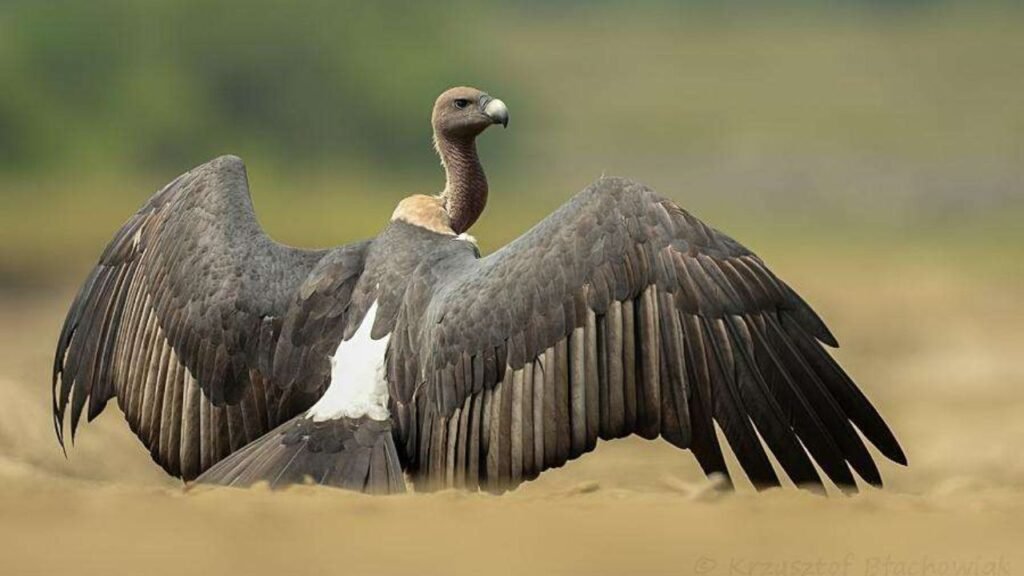
The Vulture Breeding Programme is a conservation initiative aimed at saving India’s critically endangered vulture population. The programme was launched in response to the alarming decline in the vulture population, which was being threatened by the use of diclofenac, a painkiller used in livestock farming that is toxic to vultures.
Breeding Centres: The Vulture Breeding Programme involved setting up captive breeding centers in several locations across the country where vultures were bred in captivity and then released into the wild. The breeding centers provided a safe and controlled environment for vultures to breed and raise their young, away from the risks posed by diclofenac.
Collaboration: The programme was led by the Bombay Natural History Society, in partnership with several other organizations, including the Indian government, conservation NGOs, and international agencies. It involved close collaboration with local communities, veterinarians, and livestock owners to raise awareness about the importance of vulture conservation and promote the use of alternative painkillers to diclofenac.
Achievement: Since the launch of the Vulture Breeding Programme, significant progress has been made in saving India’s vulture population. According to a recent report by the Indian government, the population of white-rumped vultures, one of the most endangered vulture species in the country, has increased by over 140% in the past decade, thanks to the efforts of the breeding programme.
Conclusion: The Vulture Breeding Programme has played a crucial role in saving India’s critically endangered vulture population from the brink of extinction. The programme’s success highlights the importance of conservation initiatives in protecting endangered species and their habitats.