
🌍 Decolonization in Africa was a transformative process that involved multiple dimensions represented by different countries. Each nation had its unique path to independence, influenced by various factors and challenges.
🇬🇭 Ghana: Ghana 🇬🇭 became a symbol of hope as it was the first sub-Saharan African country to gain independence in 1957 under the leadership of Kwame Nkrumah. This marked a significant milestone in the struggle for self-determination and inspired other African nations.
🇰🇪 Kenya: Kenya 🇰🇪 experienced a more protracted and violent journey to independence, marked by the Mau Mau Uprising. The movement sought to end British colonial rule and secure land rights for the Kenyan people.
🇿🇦 South Africa: South Africa 🇿🇦 faced unique challenges due to its system of apartheid, which institutionalized racial segregation and discrimination. The anti-apartheid movement led by figures like Nelson Mandela eventually triumphed, leading to the end of apartheid and the birth of a democratic South Africa.
🇩🇿 Algeria: Algeria 🇩🇿 underwent a bitter struggle for independence against French colonial rule. The Algerian War of Independence was marked by armed conflict and deep divisions between the French settlers and the Algerian population.
🇳🇬 Nigeria: Nigeria 🇳🇬, with its diverse ethnic groups and regional identities, faced the challenge of nation-building after independence. The country experienced periods of political instability and military rule, but it also made significant strides in economic development and education.
🇪🇹 Ethiopia: Ethiopia 🇪🇹 was one of the few African countries that successfully resisted European colonization, maintaining its independence throughout the “Scramble for Africa.” However, it still faced internal political challenges and conflicts.
🇨🇩 Democratic Republic of the Congo: The Democratic Republic of the Congo 🇨🇩 was deeply affected by Belgian colonial rule, leading to significant political and social unrest. The post-independence period saw struggles for power and the exploitation of resources, contributing to instability.
🇿🇼 Zimbabwe: Zimbabwe 🇿🇼 (formerly Rhodesia) witnessed a protracted liberation war against white-minority rule. The country achieved independence in 1980, with Robert Mugabe becoming its first black leader. However, political tensions and economic challenges have marked its post-independence history.
🇸🇳 Senegal: Senegal 🇸🇳 gained independence peacefully from France in 1960. Its first president, Léopold Sédar Senghor, promoted the concept of “Negritude” and advocated for African cultural pride.
🇹🇿 Tanzania: Tanzania 🇹🇿, under the leadership of Julius Nyerere, embarked on a unique path of socialism and rural development after independence. The country sought to build a united nation, bridging ethnic and tribal differences.
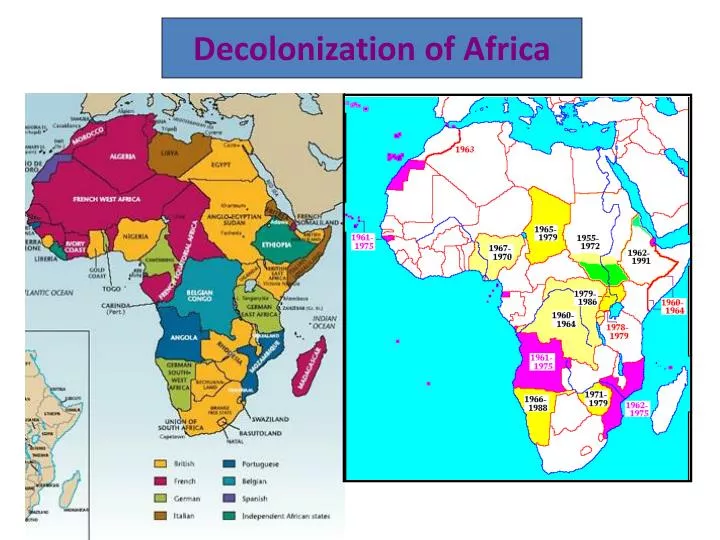
🎉 The decolonization process in Africa was a momentous journey, shaping the course of history and the future of the continent. 🌱 Though challenges persist, the independence of these diverse African nations remains a symbol of resilience, hope, and determination. 🌟 The struggle for self-determination and sovereignty continues to inspire people around the world. 🌍