
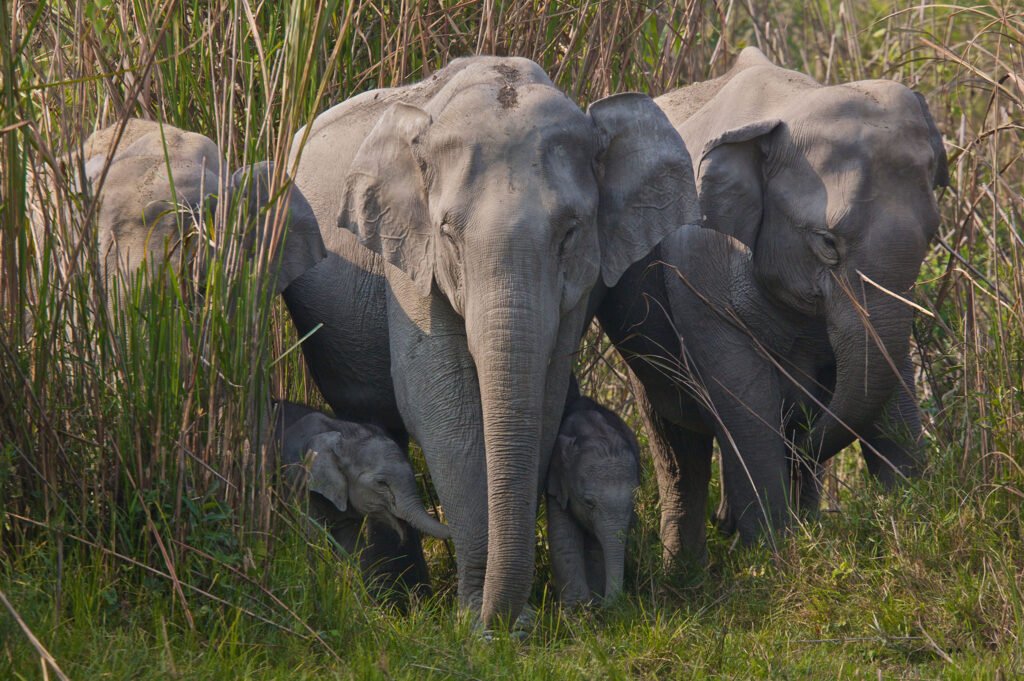
Project Elephant is a conservation initiative launched by the Indian government in 1992 with the goal of protecting the country’s endangered elephant population. The project was launched in response to the declining elephant population, which was being threatened by habitat loss, poaching, and human-elephant conflict.
The project: It was led by the Indian government’s Ministry of Environment, Forests and Climate Change, and involved collaboration between government agencies, conservation organizations, and local communities. The project aimed to protect elephant habitats and increase the elephant population through a range of measures, including anti-poaching efforts, habitat restoration, and community-based conservation initiatives.
Key components: One of the key components of Project Elephant was the establishment of elephant reserves and corridors, where elephants and their habitats were given legal protection. The project also involved a range of community-based conservation initiatives, including training programs for local communities and the involvement of local people in conservation efforts.
Achievements: Over the years, Project Elephant has had significant success in protecting elephants and their habitats. According to a recent report by the Indian government, the elephant population in the country has increased from around 23,000 in the early 1990s to over 30,000 in 2020. The project has also helped to increase awareness about the importance of elephant conservation and the need to protect wildlife habitats.
Challenges: Despite its success, Project Elephant faces ongoing challenges, including habitat loss and fragmentation, poaching, and human-elephant conflict. To address these challenges, the project continues to evolve and adapt, with ongoing efforts to engage local communities in conservation efforts, increase anti-poaching measures, and protect and restore elephant habitats.
Conclusion: Project Elephant has played a crucial role in protecting India’s elephant population and raising awareness about the importance of wildlife conservation. While there are ongoing challenges, the success of the project demonstrates the power of collaborative conservation efforts and the importance of taking action to protect endangered species and their habitats.